Airport Duct Cleaning Around Passenger Traffic
Airport duct cleaning can take place around passenger traffic when terminal teams and contractors agree on work zones, access routes, and HVAC shutdowns before cleaning begins. The goal is to remove debris while keeping travelers and staff away from equipment and maintaining the services the terminal needs.
That takes more than choosing a quiet hour. A phased plan gives each crew enough time to contain the work, clean accessible ductwork, and return the area to use.
Map the Ductwork and Define the Scope
A terminal may have multiple air handlers, duct branches, and spaces with different operating schedules. Before work begins, the airport team and contractor should map the systems involved and identify which passenger areas they serve.
This planning matters because a duct section above one gate may connect to equipment serving several gates. A work zone drawn around one ceiling panel doesn't necessarily describe the full area affected by an HVAC shutdown.
Identify What Needs Cleaning
Start with an inspection of accessible areas and the reason for service. Visible debris, construction dust, pest residue, or contamination inside the system can help define the work.
The written scope should distinguish supply ducts, return ducts, registers, grilles, and plenums. It should also say whether accessible air-handler components, such as the blower compartment, are included. Coil and drain-pan cleaning may require separate service.
Find Access Constraints Early
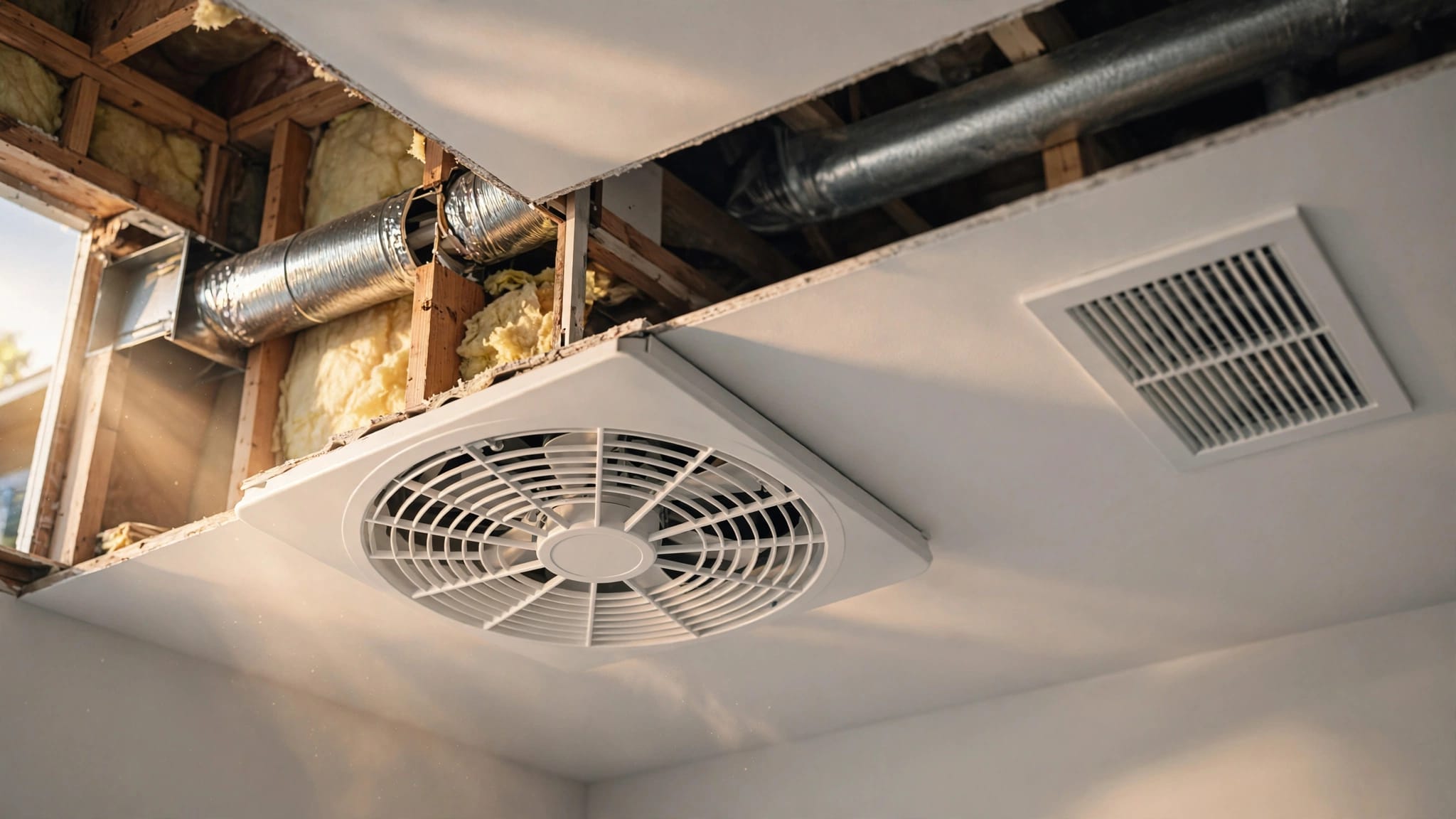
Some ductwork sits above finished ceilings or inside spaces that cleaning equipment can't reach without additional access. The plan should identify those limits rather than promise coverage of every surface.
Mark the access points, equipment locations, and areas that may need protection. If a section can't be reached, document it so the airport can decide whether further access work is worthwhile.
Schedule Work Around Passenger Traffic
Off-peak scheduling can reduce the number of people passing the work area. However, a quiet concourse may still have overnight cleaning crews, airline staff, deliveries, and passengers connecting between flights.
The airport operations team can identify suitable windows using its flight schedule and terminal activity. The contractor can then match those windows to the work required, including setup, cleaning, inspection, and cleanup.
Allow Time for Setup and Restoration
The cleaning window must cover more than the time spent inside the duct. Crews also need time to protect surfaces, connect collection equipment, remove and reinstall grilles, and clear the area.
Build in time for unexpected findings, such as a damaged access panel or a duct section that needs a different approach. If the work can't be completed safely within the available window, stop at an agreed point and restore the area before passenger activity increases.
Account for HVAC Service
A system may need to be off while a section is cleaned. The airport team should determine when that interruption is acceptable and how it affects occupied spaces.
For example, a low-traffic period may still be a poor choice if shutting down an air handler would make a staffed area uncomfortable. The schedule should reflect both passenger volume and the terminal's operating needs.
Use Phased Work Zones to Keep People Moving
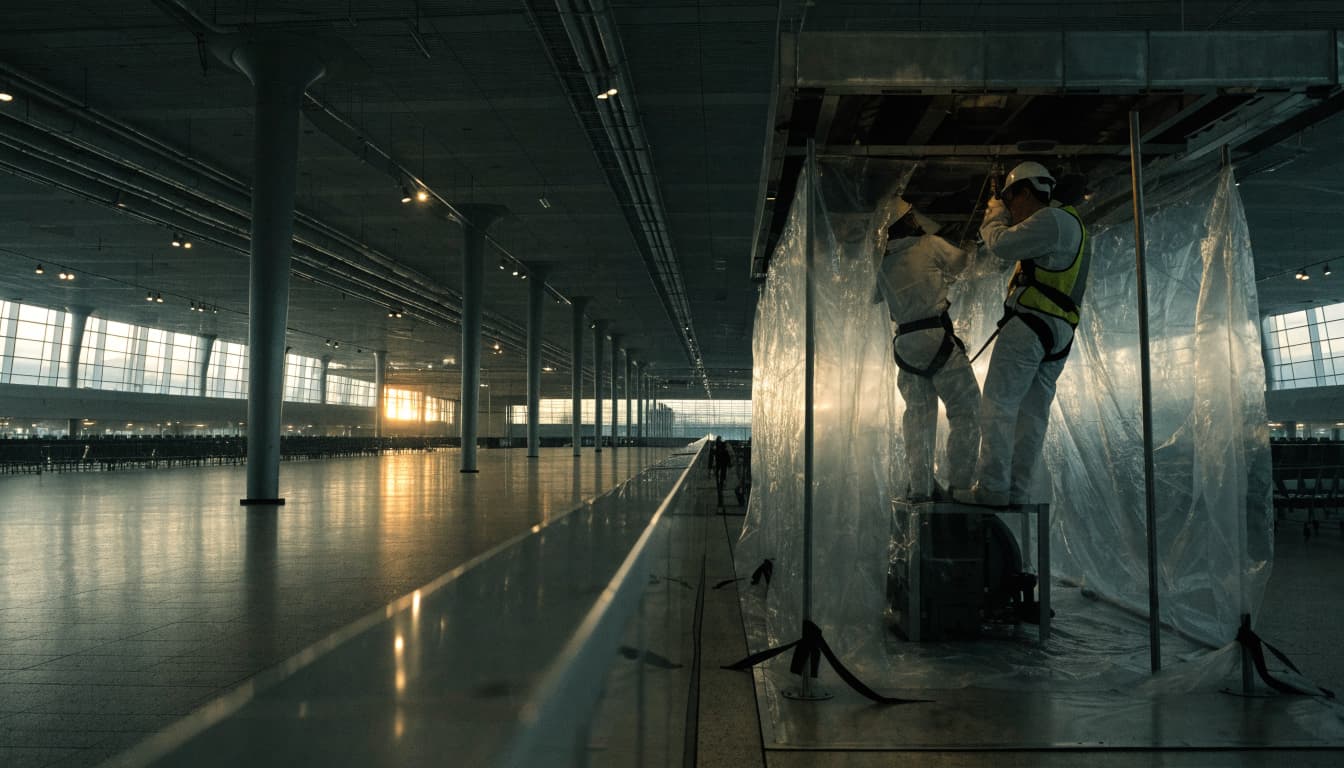
Divide the project into manageable areas rather than closing a large stretch of concourse at once. A phase might cover a group of nearby registers and the accessible ductwork connected to them.
The boundary should leave room for technicians, ladders, hoses, collection equipment, and protective coverings. It should also separate the work from the path travelers need to reach gates, restrooms, elevators, and other services.
Airport staff can plan an alternate route where a usual path crosses the work area. That route needs to accommodate wheelchairs, mobility devices, luggage, and staff moving supplies. Keep emergency exits and access to emergency equipment clear throughout the work.
Equipment movement deserves its own plan. A vacuum hose stretched across a passenger route can become a trip hazard even when the cleaning itself is contained. Whenever possible, place equipment and route hoses inside the protected zone or through a back-of-house area.
Complete and restore one phase before opening another when space or staffing is limited. This approach also makes it easier to identify which work has been finished if terminal conditions change.
Control Dust and Protect the Surrounding Area
Containment starts before a grille comes off or a duct is opened. The crew should protect nearby flooring, seating, counters, and finished surfaces according to the work area.
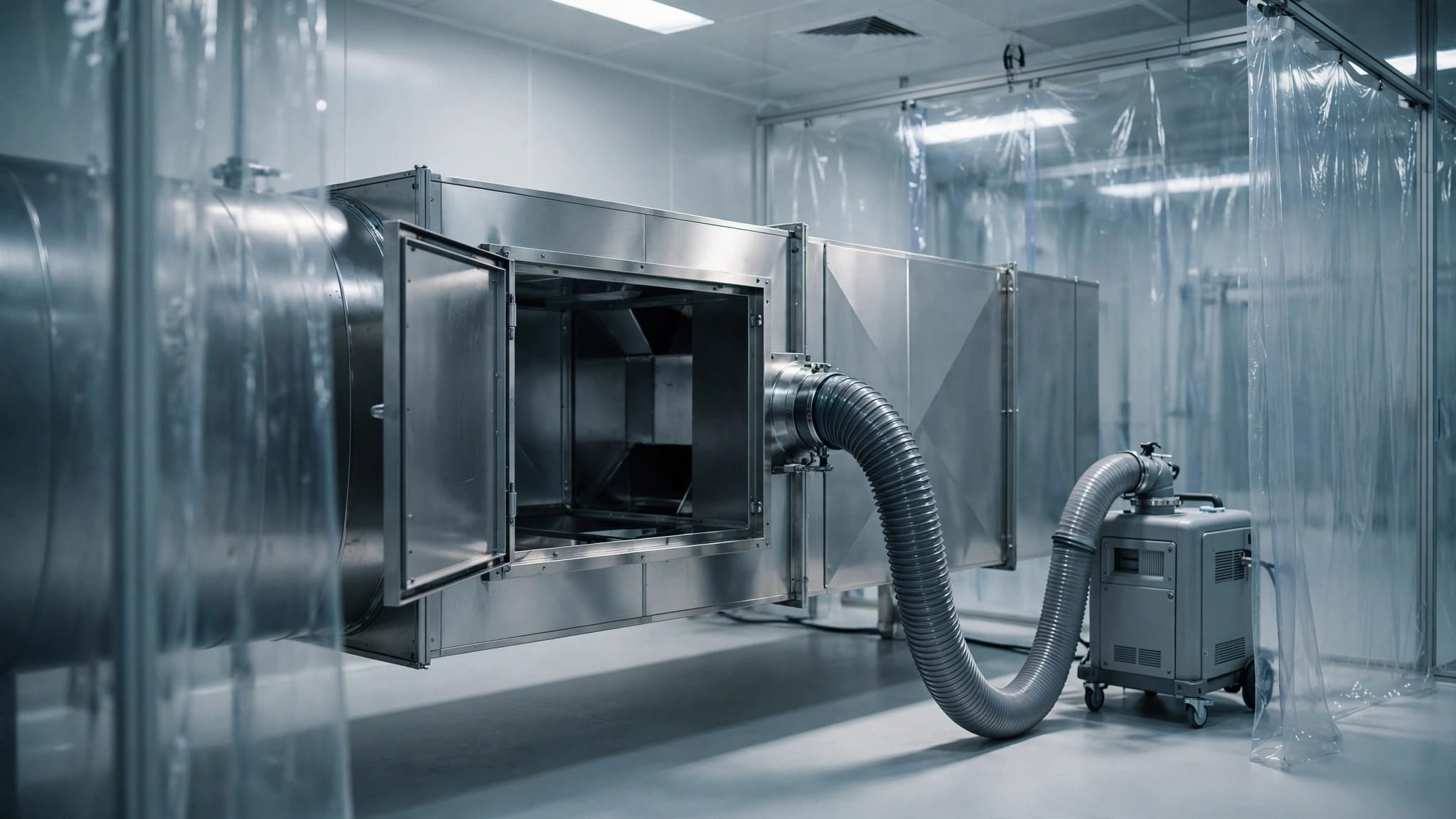
Physical barriers help keep passengers away from tools and disturbed ceiling spaces. Inside the duct, the collection method controls where loosened debris goes. Both protections matter because a barrier around the work area doesn't replace suction in the duct system.
Keep Collection Running During Agitation
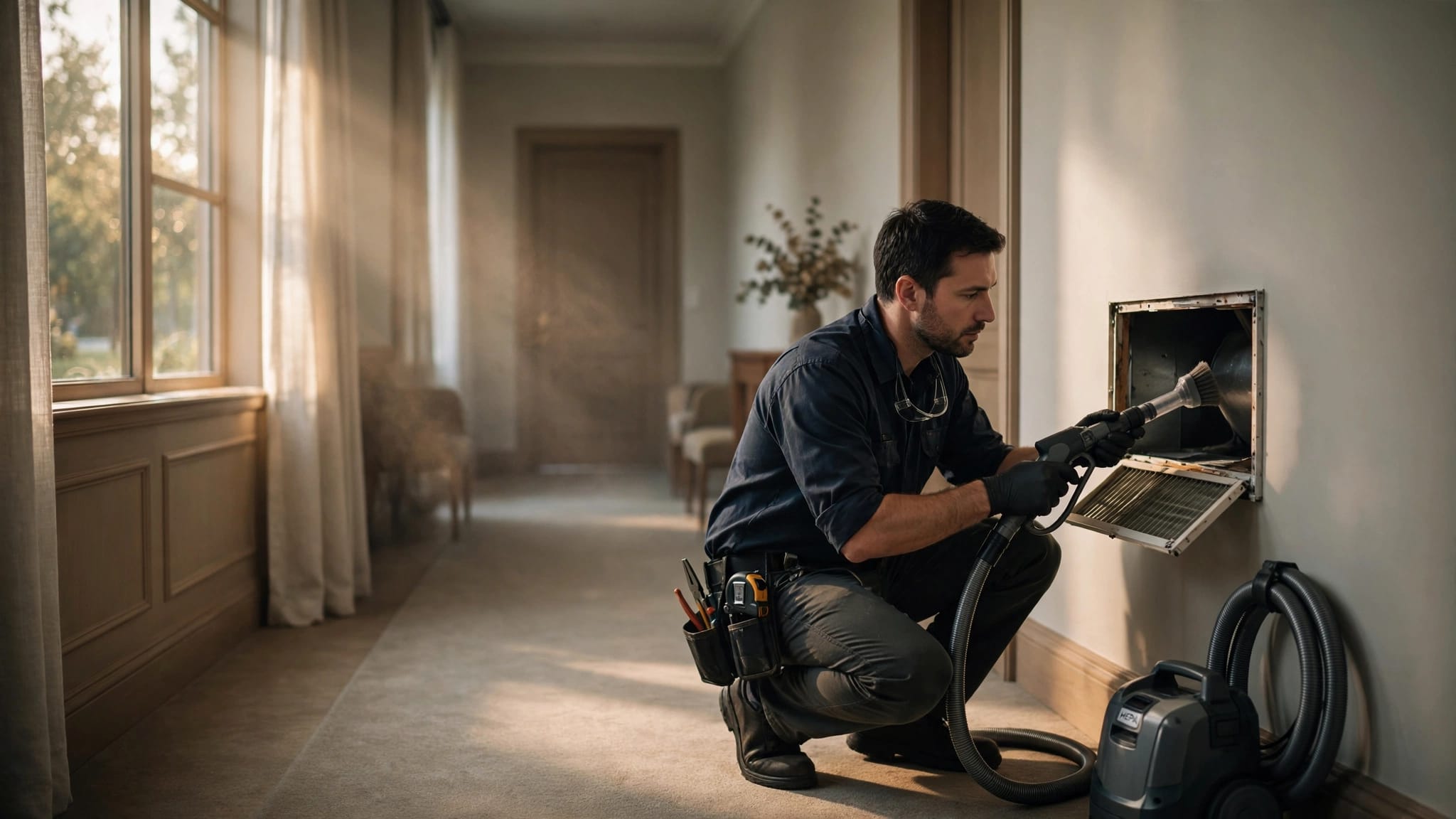
Professional source removal combines agitation with collection. A technician connects vacuum equipment at a suitable access point, then loosens material while suction draws it toward the collection unit.
Our explanation of how negative-pressure duct cleaning works covers why timing matters. Brushing or blowing debris loose without effective collection can spread it through the ductwork or into the surrounding space.
The crew should also manage open registers and access points as the work progresses. The collection setup and tools should suit the system's layout and materials.
Clean Up Before Removing Barriers
Housekeeping is part of each work phase. Technicians should collect debris, remove protective materials carefully, and clean the surrounding surfaces before the area returns to use.
Grilles and ceiling components should be reinstalled, and temporary duct openings should be properly sealed. A final look at the floor and nearby seating helps prevent small items or dust from being left behind for passengers or staff.
Coordinate Security and Access Before Arrival
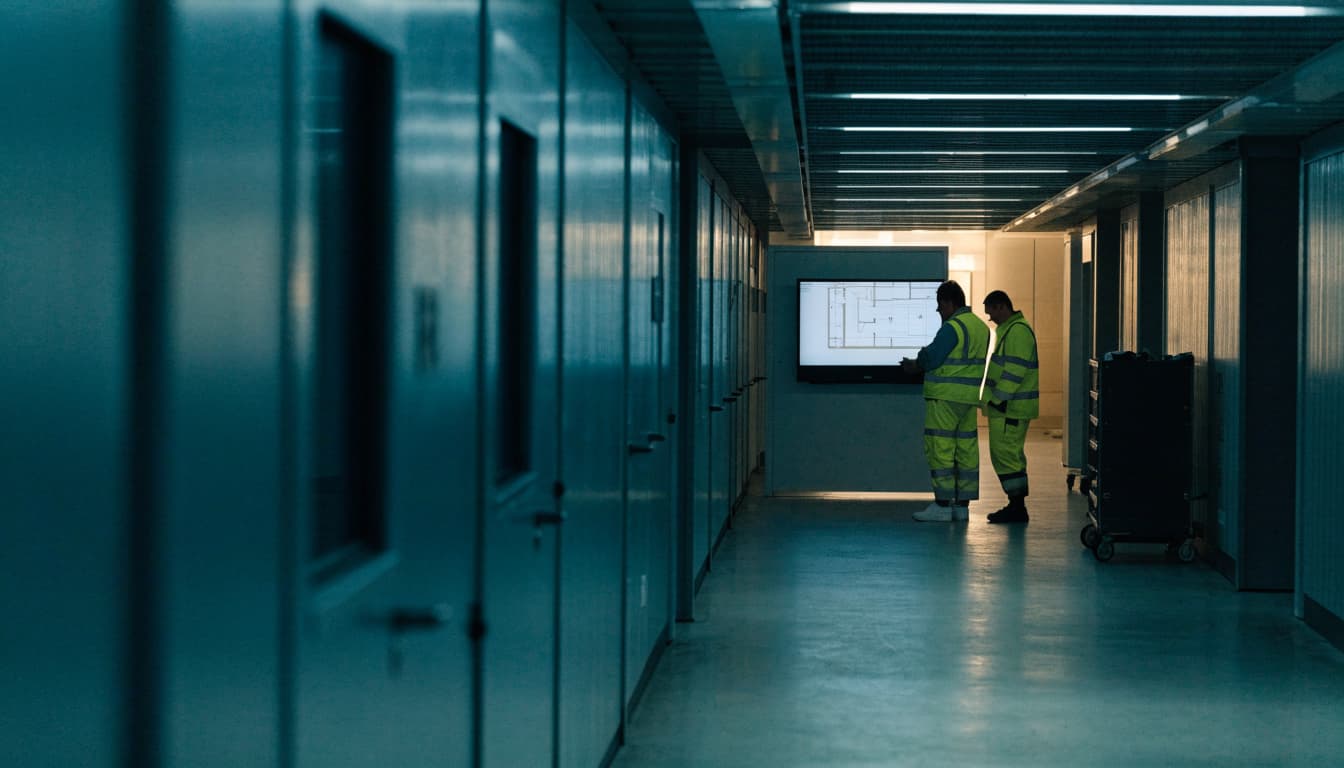
Airport work can involve public areas, back-of-house corridors, mechanical rooms, and spaces with restricted access. The contractor and airport team should agree on where the crew needs to go and how personnel, equipment, and materials will reach each location.
Planning access in advance helps avoid a crew arriving with the right tools but no practical way to move them to the work zone.
Plan Personnel and Equipment Movement
Provide the airport team with the expected crew and equipment list before the work window. Include large collection units, ladders, carts, and materials that need to move through shared corridors.
The plan should cover entry points, any escorts or credentials arranged for the project, and where equipment can be staged. It should also identify a contact who can resolve an access problem without leaving the crew waiting in a passenger route.
Protect Shared Doors and Work Areas
The crew should use the access arrangements agreed with airport operations and avoid leaving doors open for convenience. Tools and removed components should stay within the designated work area.
When a phase ends, the contractor should account for equipment and materials before the area is returned to terminal use. Any access problem or unexpected change should go to the airport contact promptly.
Keep Terminal Operations Informed
A single point of contact on each side makes coordination easier. The airport representative can communicate changes in passenger activity or operating conditions. The contractor's lead can report progress, delays, and findings inside the ductwork.
Before each work window, both leads should agree on the area, expected HVAC interruption, circulation route, and point at which the crew must stop and restore the space. They should also agree on how to reach each other if the plan changes.
During the shift, short updates are more useful than assumptions. If a gate becomes busy or an equipment issue slows cleaning, the airport team can decide whether to pause that phase or move the crew elsewhere.
The handoff should include what was completed and what remains. This is especially helpful when terminal staff or cleaning crews change between work windows. A clear record prevents the next team from treating a partially completed area as finished.
Maintain Cleaning Quality Under Time Pressure
A limited work window shouldn't turn a full duct-cleaning scope into a quick wipe of visible grilles. Cleaning quality depends on reaching the agreed surfaces, using tools suited to the material, and collecting the debris that technicians dislodge.
Match the Method to the Duct
Rigid metal, flexible duct, and lined ductwork don't all respond the same way to agitation. Technicians should choose brushes, air tools, or other equipment that suit the material and its condition.
Rough handling can damage fragile liners or flexible sections. If the crew finds wet insulation, a disconnected duct, exposed wiring, or suspected hazardous material, it should pause in that area and report the condition. Repair or assessment may need to happen before cleaning continues.
Record What the Crew Can Reach
Before-and-after photos can show accessible duct interiors, plenums, or other components when conditions allow. The completion record should also identify sections that couldn't be reached and explain any work left for another phase.
Cleaning doesn't fix every source of an indoor air concern. A loaded filter, a moisture problem, or damaged ductwork may need separate attention. Our guide to what duct cleaning can and cannot address explains those limits.
Sanitizers and other treatments should be separate decisions based on the conditions found. They don't replace physical removal of debris.
Finish With a Clear Handoff
At the end of each phase, the contractor and airport contact should review the completed work and the condition of the area. The handoff can cover cleaned sections, inaccessible sections, photos, and any damage or moisture concerns found during service.
It should also record whether grilles and access panels have been secured, protective materials have been removed, and the area is ready for normal use. The airport's designated personnel can then coordinate the HVAC return to service under the agreed plan.
Keep unresolved findings separate from the cleaning record. A damaged duct connection, for example, may need an HVAC repair rather than another pass with cleaning equipment. Recording that distinction helps the next crew understand what remains to be done.
A written closeout also helps the airport plan later phases. If a duct branch took more access work than expected, the next schedule can account for that without reducing the cleaning scope.
A Cleaner System With Less Disruption
Effective airport duct cleaning depends on a workable schedule and clear handoffs between the terminal team and contractor. Smaller work zones give crews room to contain debris and finish each area before it returns to use.
At Adkins Duct Cleaning, we provide air duct cleaning for homes and businesses along Florida's Gulf Coast. If you're planning service, Get a Free Estimate to start a conversation about your needs.