Data Center Duct Cleaning: Protect Equipment During Service
Data center duct cleaning requires controlled dust removal while the facility maintains cooling, airflow, and equipment protection. In an active facility, the cleaning plan must fit the operating environment before anyone opens ductwork.
Your servers depend on continuous cooling , and temporary barriers or suction equipment can change how air moves. Meanwhile, disturbed debris needs a contained route into collection equipment.
Start with facility operations, define the affected air paths, and build the service sequence around those limits.
Key Takeaways
- Coordinate cleaning with facility operations so equipment protection, cooling capacity, and stop-work authority are clear.
- Isolate the cleaning section and capture loosened debris with controlled suction and suitable filtration.
- Monitor conditions during service, then document cleanliness and restore airflow before releasing each area.
Plan Data Center Duct Cleaning With Facility Operations
A duct-cleaning crew needs more than permission to enter the building. The work plan should identify what the crew can access, what must remain operational, and who controls changes.
Define the scope around actual air paths
Map the supply ducts, return paths, plenums, and air-handling equipment serving the proposed work area. Include shared connections because an apparently separate branch may serve several equipment zones.
Document accessible sections and exclusions before mobilizing. Sealed chases or inaccessible branches limit cleaning coverage; collection equipment cannot remove material it cannot reach.
Also separate duct cleaning from coil cleaning, electrical maintenance, and mechanical repairs. Our explanation of what air duct cleaning can remove describes why dust removal doesn't replace moisture control or HVAC repairs.
Assign responsibility for operational decisions
Facility operations should own cooling decisions and environmental limits. The cleaning supervisor should own containment, tool selection, and housekeeping within the approved scope.
Include IT operations, security, and environmental health and safety personnel where their responsibilities intersect with the work. Record escalation contacts and who can suspend service.
The risk review should address dust escape, cooling interruption, electrical exposure, damaged duct materials, and blocked access. Each risk needs a planned response before cleaning starts.
Protect Equipment Without Restricting Cooling
Isolate the work, rather than covering live airflow paths
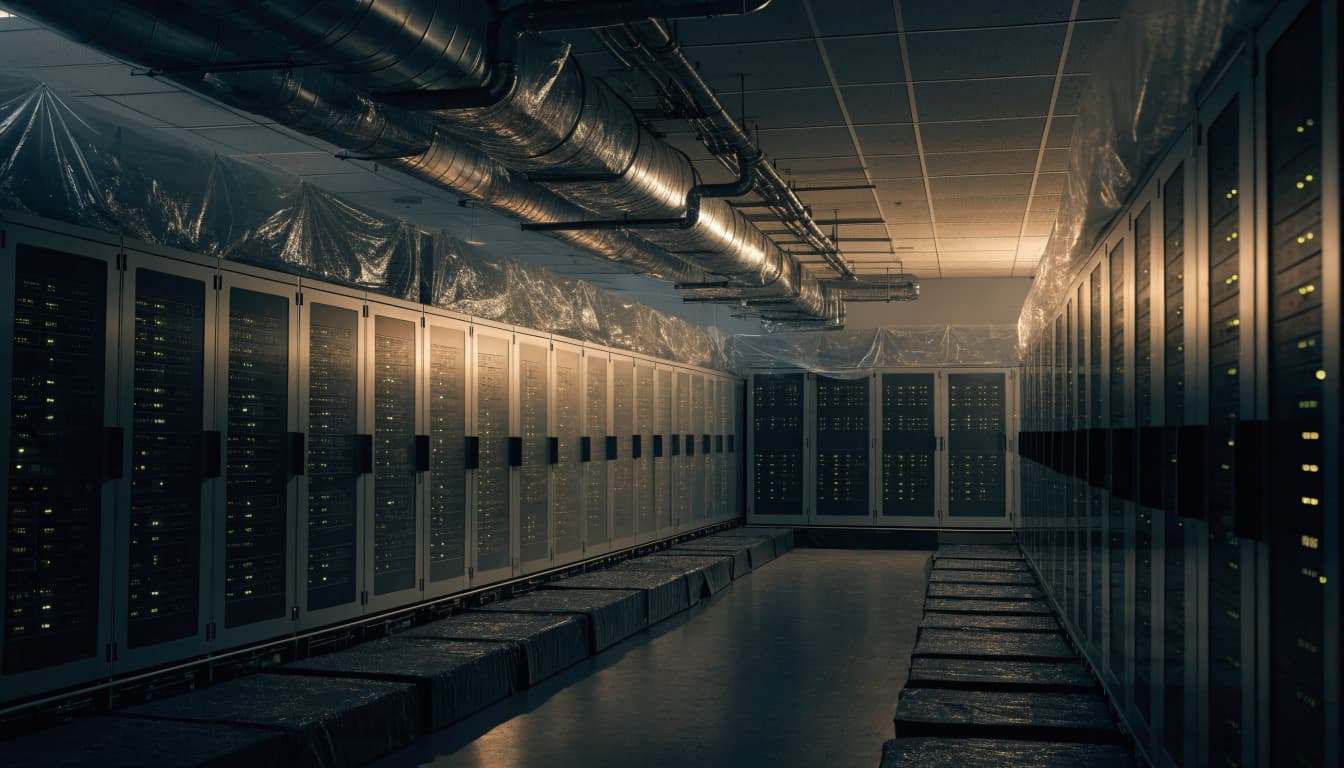
Facilities personnel should determine which duct sections and components can be isolated while the remaining system supports the equipment load.
Protection must preserve server intake and exhaust paths. Draping plastic over operating cabinets can restrict cooling, so shielding should separate overhead work from equipment without enclosing live racks.
Use barriers and protective materials that fit the facility's electrostatic-discharge and fire-safety requirements. Keep them clear of detectors, sprinklers, and access routes.
Keep cleaning tools away from sensitive components
Protect nearby cable pathways and exposed connections from falling debris. Position hoses so their weight cannot pull against cabinets, controls, or cable supports.
Only authorized personnel should handle mechanical or electrical isolation. Cleaning technicians shouldn't adjust live equipment controls to make a duct section easier to clean.
Likewise, cleaning should pause around exposed wiring, wet electrical areas, or loose insulation. These conditions need assessment before agitation or suction continues.
Contain Dust at the Source
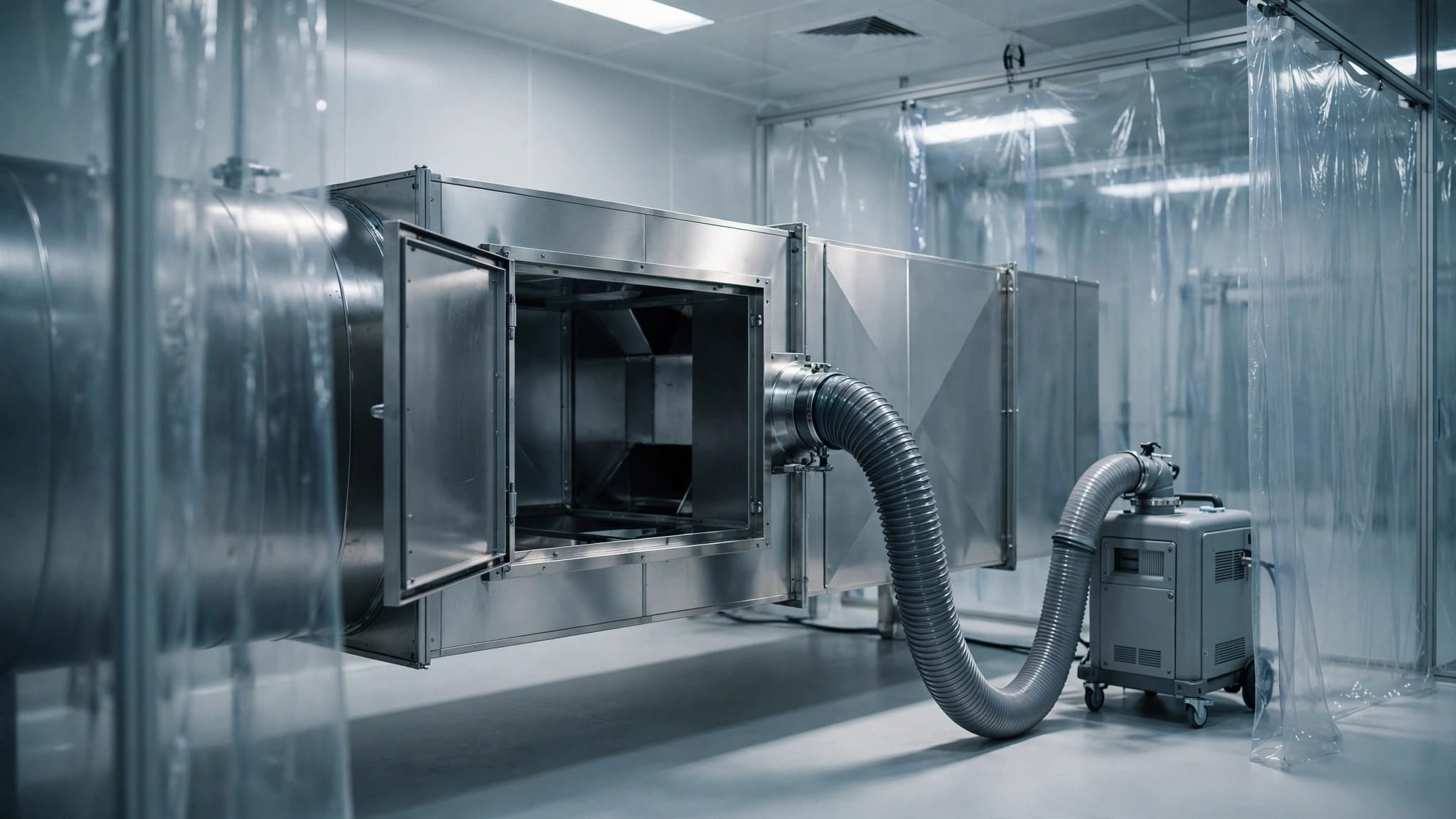
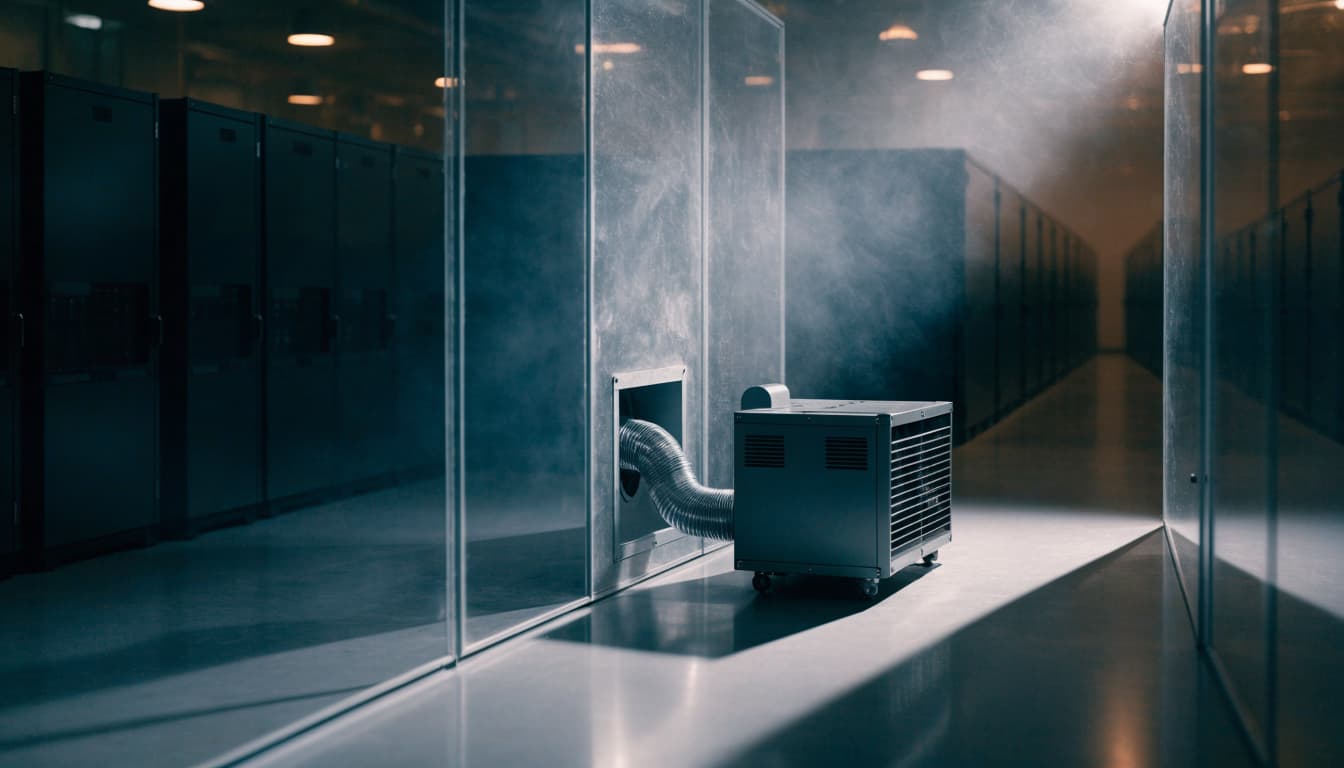
Negative pressure draws air and loosened debris toward the collection unit. However, suction must remain effective throughout agitation, including when technicians change access points.
Establish capture before disturbing debris
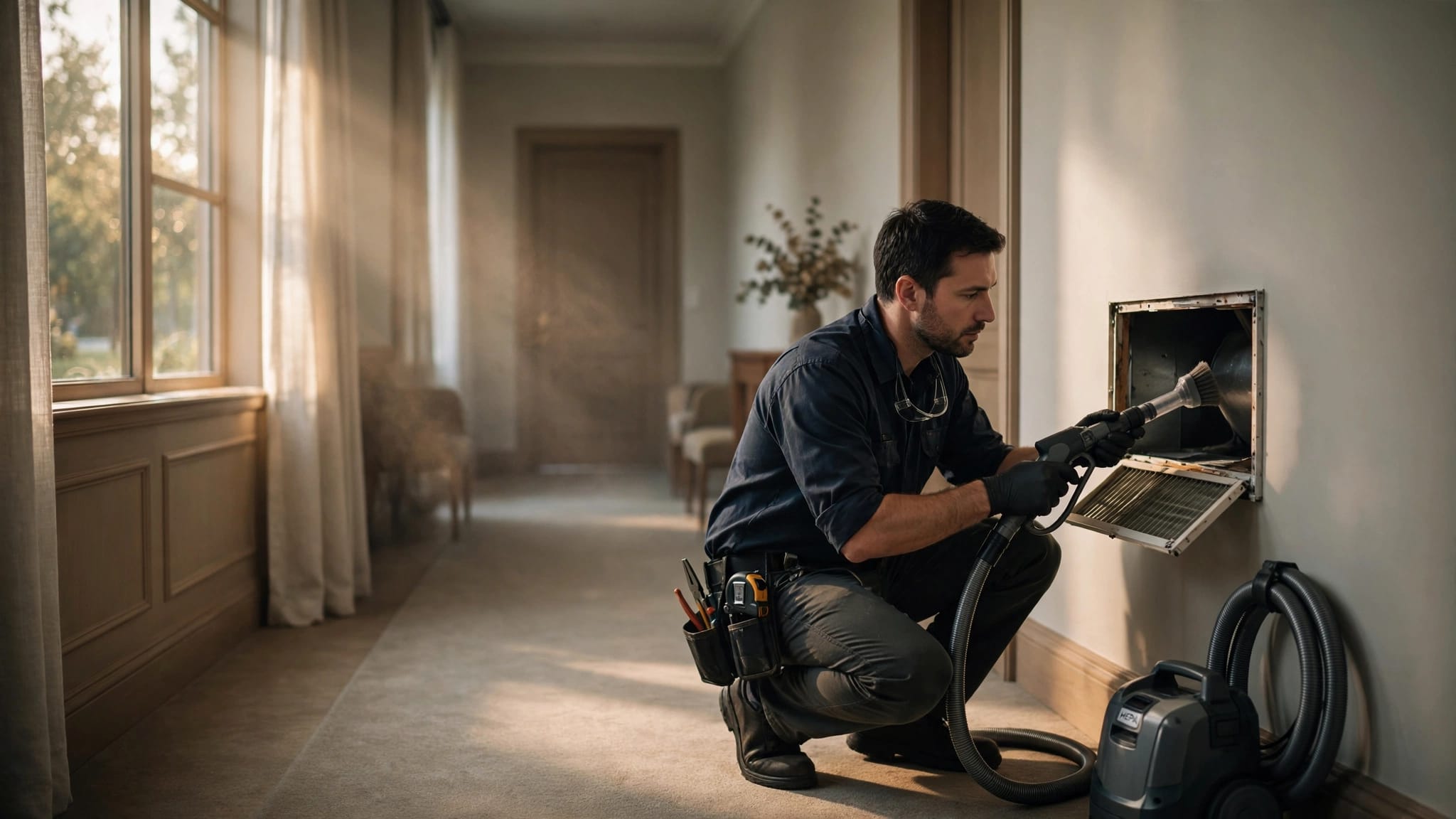
Connect the collection equipment to the approved duct section and seal unintended openings. Then establish controlled suction before brushes, air whips, or compressed-air tools loosen deposits.
Maintain collection while debris remains airborne inside the section. Blowing through an open register without effective capture can redistribute contamination.
Our guide to how negative-pressure duct cleaning works explains this combination of agitation and collection.
Treat HEPA filtration as one containment control
When collection equipment exhausts indoors, use suitable HEPA filtration. HEPA media captures at least 99.97% of particles measuring 0.3 microns under its rating conditions.
However, filter performance doesn't compensate for leaking hoses, damaged seals, or an overloaded collection unit. The entire collection path needs containment.
A room air scrubber can supplement source capture, but it cannot replace suction at the duct. Keep collected debris enclosed during removal, and use HEPA-filtered vacuuming rather than dry sweeping around the work area.
Maintain Airflow and Pressure Relationships
Cleaning suction, temporary barriers, and isolated branches can affect more than dust control. They can also change supply delivery, return airflow, and room pressure.
Before work, facility operations should establish the cooling arrangement for the affected zone. Available capacity must support the actual equipment load under the proposed configuration.
Distinguish negative pressure inside the cleaning section from pressure relationships across the data hall. Drawing debris toward a vacuum doesn't establish that the surrounding rooms remain correctly balanced.
For example, a barrier across a return pathway can reduce airflow even when no supply diffuser is covered. Similarly, collection equipment exhausting outdoors can remove conditioned air and affect building pressure.
Keep supply outlets, return openings, and containment-system pathways unobstructed. Avoid temporary filter changes or added restrictions that the HVAC system wasn't designed to handle.
During data center duct cleaning, facilities staff should manage HVAC settings through the approved operating plan. Cleaning crews shouldn't compensate for poor collection by changing building airflow.
Control Technician Access and Work Sequencing
Route personnel, collection hoses, tools, and waste through designated paths. Keep emergency exits and access to cooling equipment available throughout service.
Security requirements belong in the preparation process. Arrange authorization and escorts so technicians don't improvise routes through restricted equipment areas.
Use phased work based on HVAC boundaries rather than convenient room divisions. A floor area may look separate while sharing a return plenum or air handler with another zone.
Keep the active work footprint small. Finish cleaning, inspect the section, close access openings, and complete housekeeping before moving equipment onward.
Tool accountability also matters around racks and raised floors. Track removed grilles, fasteners, access covers, and tools so nothing remains in an airflow path or equipment space.
Finally, select agitation for the material. Controlled brushing may suit durable sheet metal, while fragile liners and flexible ducts need gentler handling.
Monitor Conditions Throughout Service
Record baseline conditions before containment or isolation changes begin. Use the facility's existing building management system or data center infrastructure management platform, supplemented by local measurements where needed.
Monitor server inlet temperatures in affected locations, humidity or dew point, cooling-unit status, and relevant pressure differences. Temperature alone doesn't describe the operating environment.
A stable room-average temperature can hide a rising server inlet temperature after airflow changes.
Assign someone to observe conditions and communicate directly with the cleaning supervisor. Monitoring loses value when alarms reach people who cannot pause the work.
Set stop-work triggers around the facility's approved operating limits and the cleaning controls. Loss of suction, a breached barrier, escaping dust, water, or unexpected equipment alarms should interrupt the task.
If a trigger occurs, stop agitation and place the work area in its agreed safe condition. Facility operations should assess environmental effects before authorizing continuation.
Record interruptions and corrective actions in the service log. That record helps explain unexpected trends and supports the final handover.
Inspect and Recommission Before Releasing the Area
Cleaning isn't complete when the vacuum stops. The system must return to its intended configuration without loose debris, open access points, or temporary obstructions.
Inspect cleanliness and physical condition
Use visual inspection and photographs to document accessible duct interiors, grilles, and included HVAC components. Clearly identify sections that remained inaccessible.
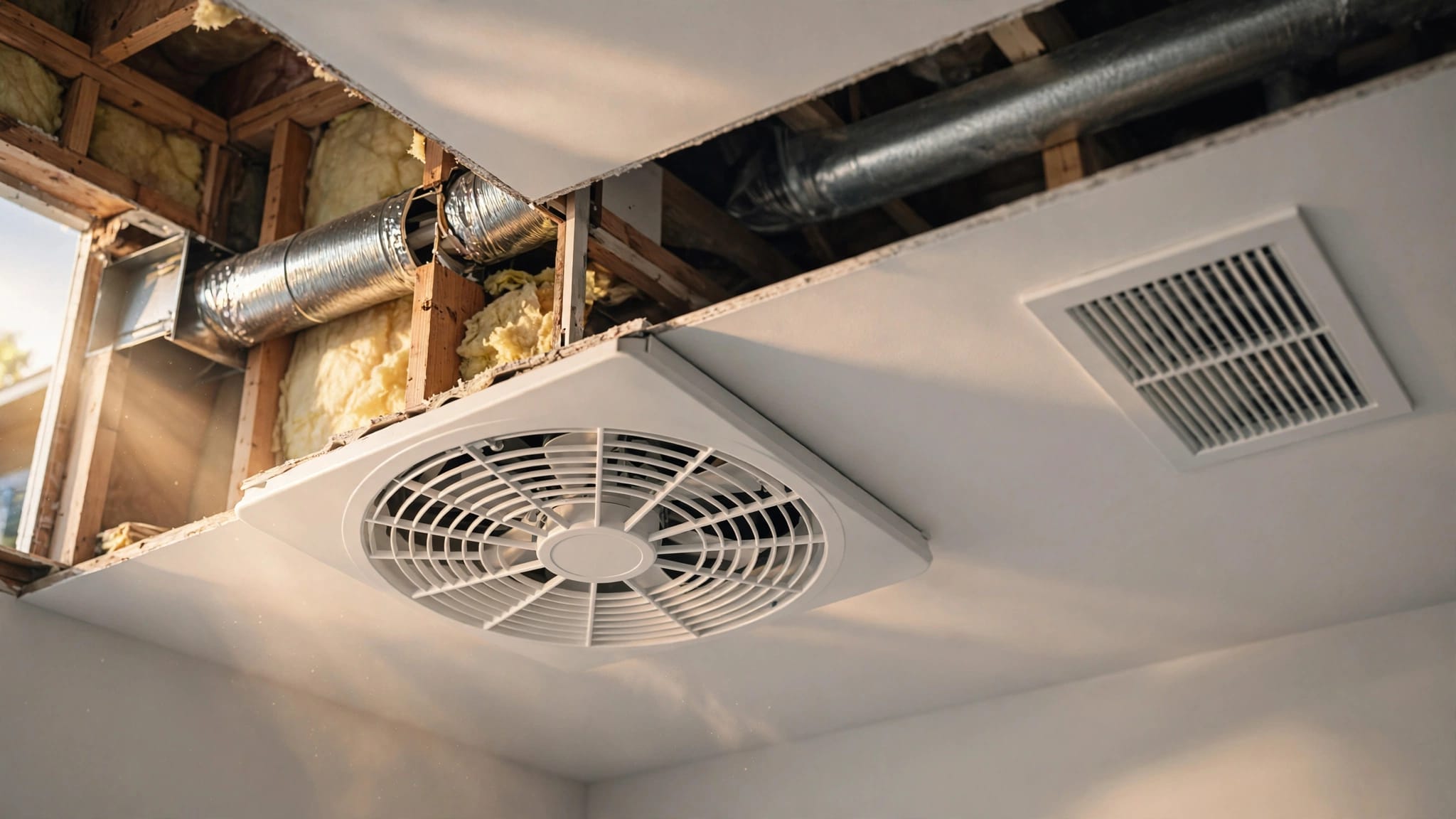
Inspect liners, seams, and supports for damage. Cleaning removes contamination; it cannot repair collapsed ductwork, leaking connections, wet insulation, or deteriorated materials.
Remove collected waste in closed containers. Then clean surrounding surfaces without reintroducing dust into the finished section.
Restore operation under facility control
Secure access panels and reinstall grilles and other removed components. Account for tools and temporary materials before removing barriers.
Facilities personnel should restore the approved airflow configuration, including any authorized damper or control changes. Inspect affected filters and replace them when their condition warrants it, using the specified type.
Compare post-service temperatures, humidity, pressure relationships, and equipment status with the baseline. Investigate unexplained differences before releasing the zone.
The handover should include completed work, excluded areas, photographs, defects, and operational observations. Move to the next phase only after the responsible facility representative accepts the restored area.
Frequently Asked Questions
Can servers remain online during duct cleaning?
They can remain online where the planned work preserves cooling, airflow, and contamination controls. Facility operations must determine whether the affected section can be isolated without compromising those conditions.
Cleaning should pause when the protection plan cannot support the operating equipment.
Does HEPA filtration eliminate the risk of dust escape?
No filtration system controls debris that bypasses it. Leaking connections, open access points, or inadequate suction can release dust before it reaches the filter.
Effective containment combines sealed collection, appropriate filtration, and controlled agitation.
Are sanitizers necessary after cleaning?
Sanitizers aren't an automatic part of physical dust removal. Any proposed treatment needs a defined purpose and an application method compatible with the duct materials and nearby equipment.
Moisture problems or damaged materials need separate attention; adding a treatment doesn't repair them.
Keep Equipment Protection Central to the Plan
Successful service depends on controlled conditions throughout the work. Containment, preserved airflow, and clear operational authority matter as much as removing debris.
At Adkins Duct Cleaning, we encourage facility managers to share access restrictions and equipment-protection needs when discussing the scope. To discuss your facility's air duct cleaning needs, Get a Free Estimate.
The job is complete when the cleaned area is documented, restored, and ready for normal operation.