Veterinary Air Duct Cleaning: Managing Hair and Dander
Veterinary air duct cleaning removes accumulated hair, dander, and dust from contaminated HVAC pathways. It works best alongside source control , properly fitted filters, and regular surface cleaning.
Your clinic handles a steady flow of animals, bedding, and loose fur, so keeping floors clean addresses only part of the problem. Start by separating everyday shedding from buildup inside the air distribution system.
Key Takeaways
- Base duct cleaning on inspection findings, rather than a residential cleaning schedule.
- Combine debris removal with effective filtration and daily hair control.
- Professional cleaning should contain loosened material and protect flexible or lined ducts.
- Moisture, damaged ductwork, and active pest problems need attention before cleaning can provide lasting results.
How Hair and Dander Move Through a Veterinary Clinic
Hair is easy to spot, but smaller skin flakes and allergen-bearing particles can travel beyond the treatment table.
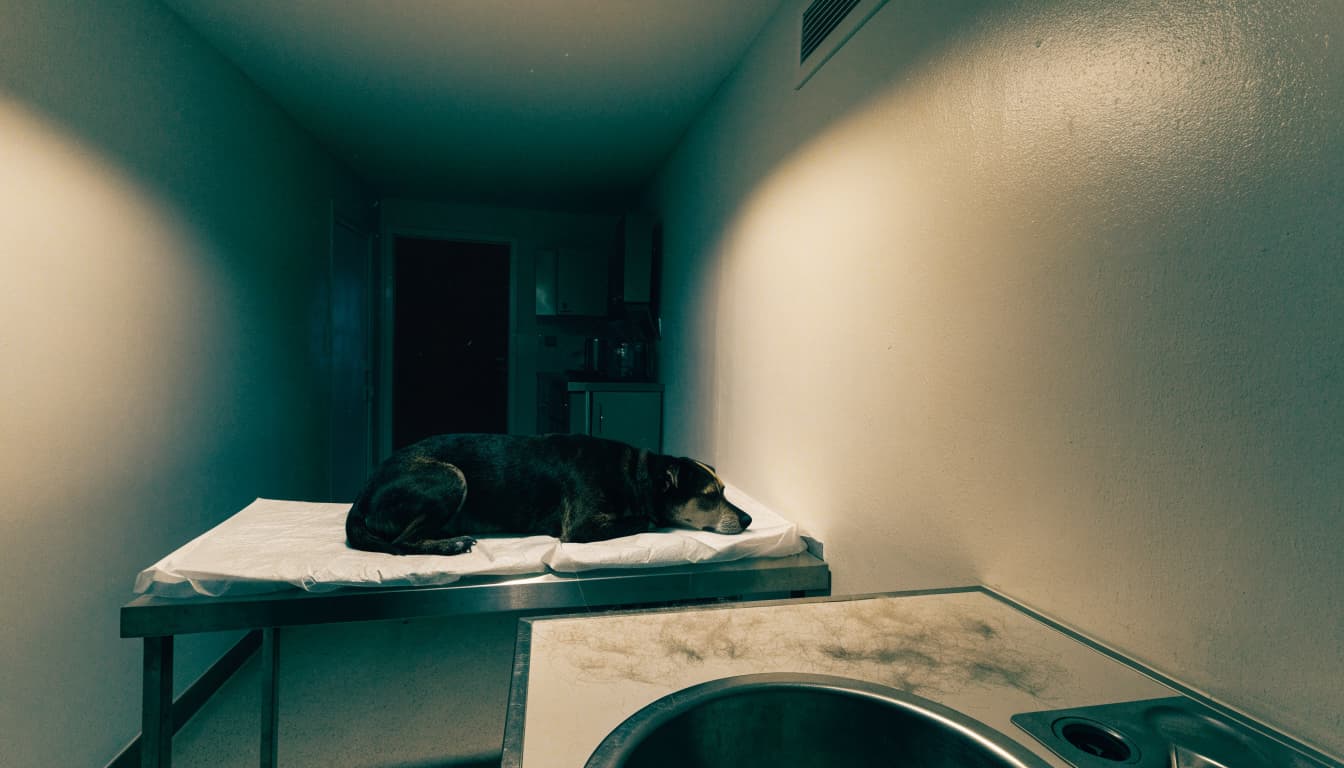
Return air carries particles toward the system
Return grilles draw room air into the HVAC system. That air can carry fur, dust, and dander released during examinations, grooming, bedding changes, or floor cleaning.
The filter captures part of this material. However, particles can pass through an unsuitable filter or bypass one that fits poorly. Debris may then collect in the return pathway, blower compartment, or other accessible components. Our discussion of pet dander in HVAC ductwork explains why cleaning and filtration need to work together.
Clean ducts still receive fresh material
Animals continue shedding after duct cleaning. Meanwhile, foot traffic and handling towels or bedding can disturb particles already resting on surfaces.
Because the clinic keeps producing new material, a clean HVAC system is only one part of dander management. Reception upholstery, kennel bedding, examination rooms, and grooming areas also need attention. A recurring dust problem may involve several sources, so tracing where debris collects is more useful than assuming every dirty grille proves the ducts need cleaning.
When Veterinary Air Duct Cleaning Makes Sense
An inspection should establish whether contamination extends beyond the vent covers. Useful findings include substantial loose debris inside return ducts, accumulated hair in accessible HVAC compartments, or particles visibly discharging through supply registers.
Construction creates another reason to inspect. If the system operated during sanding, demolition, or drywall work, debris may have entered returns and settled farther inside.
However, surface dust alone doesn't establish the condition of the entire system.
A dusty grille shows where particles collect. It doesn't establish whether the duct behind it contains substantial buildup.
Weak airflow also needs a broader assessment. A loaded filter, dirty coil, disconnected duct, or blower problem can produce complaints that duct cleaning won't resolve. Our comparison of HVAC maintenance and duct cleaning explains this distinction.
For clinics with multiple air handlers, the assessment should identify each independent system. A clean reception-area system says little about the separate equipment serving kennels or treatment rooms.
Inspection photos can document accessible conditions and support a defined cleaning scope. They also help distinguish debris removal from repairs or specialized contamination cleanup.
What Professional Duct Cleaning Should Include
A useful service scope follows the air pathway, rather than stopping at the visible registers.
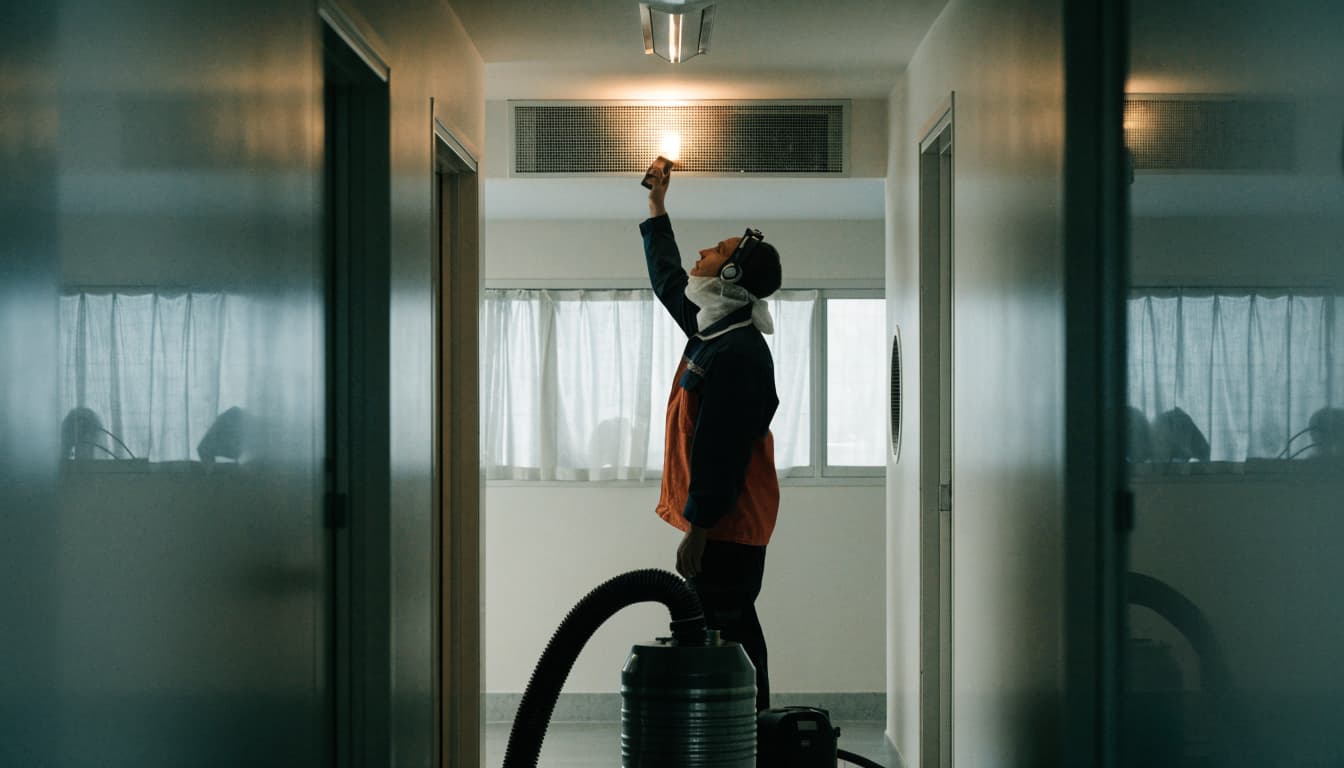
Controlled collection during debris removal
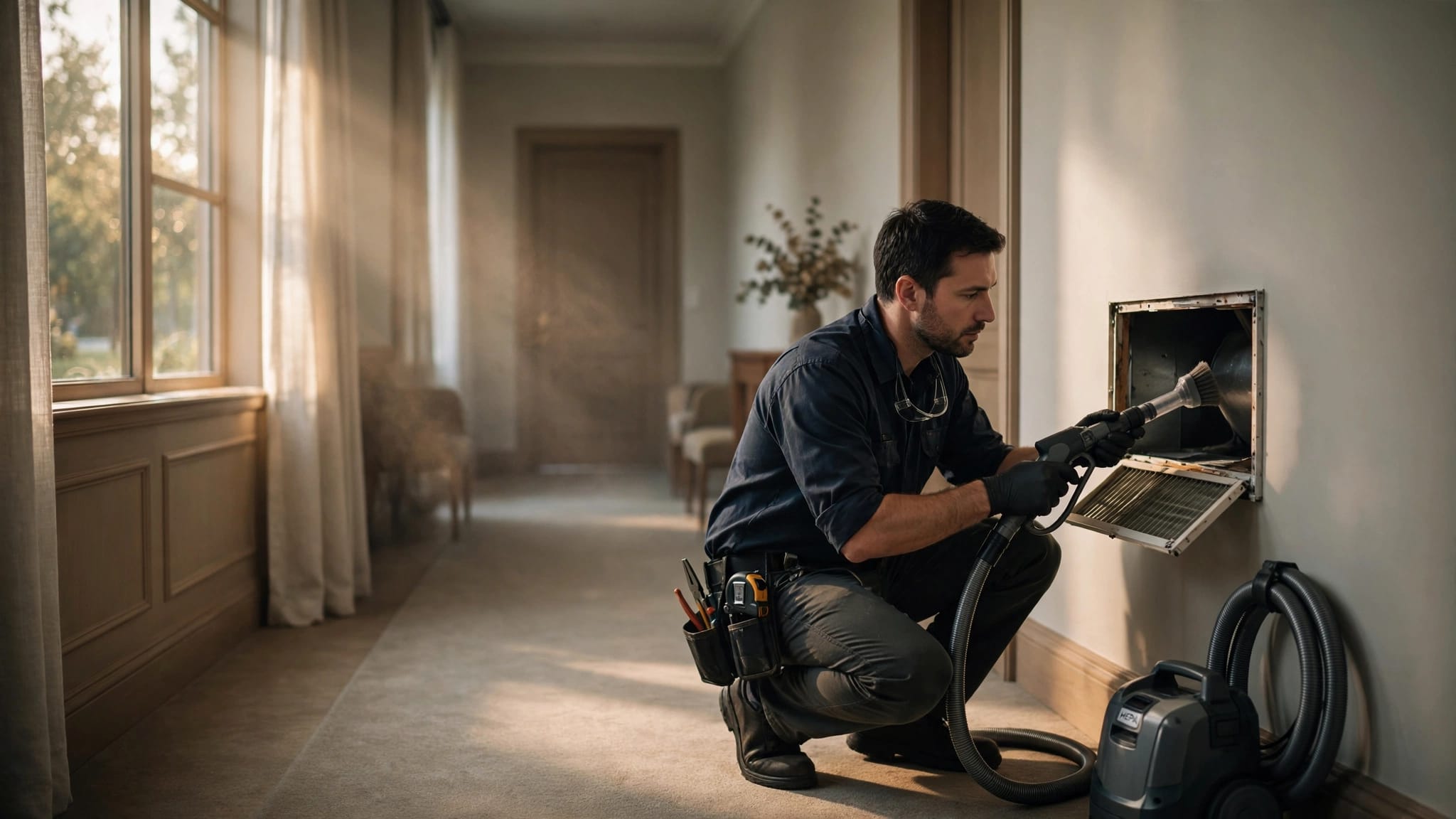
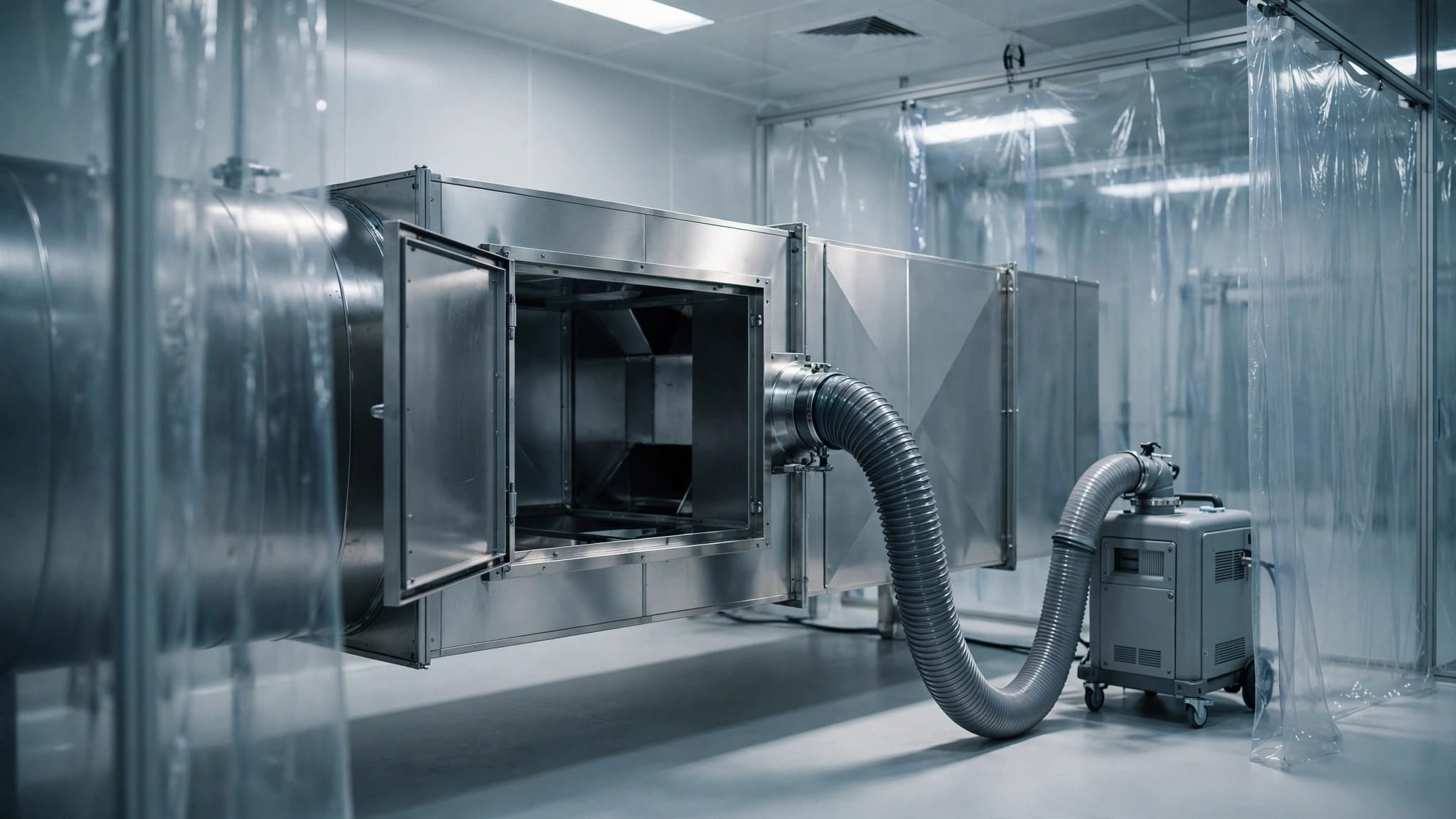
Professional source removal combines agitation with collection. Brushes, air tools, or other suitable equipment loosen accumulated material while a vacuum draws it toward collection equipment.
The vacuum needs to operate during agitation. Otherwise, loosened debris can move into occupied rooms or other parts of the system. Our explanation of negative-pressure duct cleaning describes this containment process.
Tool selection matters too. Durable metal ducts and fragile flexible ducts require different handling. Excessive force can damage a flexible liner, and aggressive brushing can harm deteriorated insulation.
Defined coverage and proper restoration
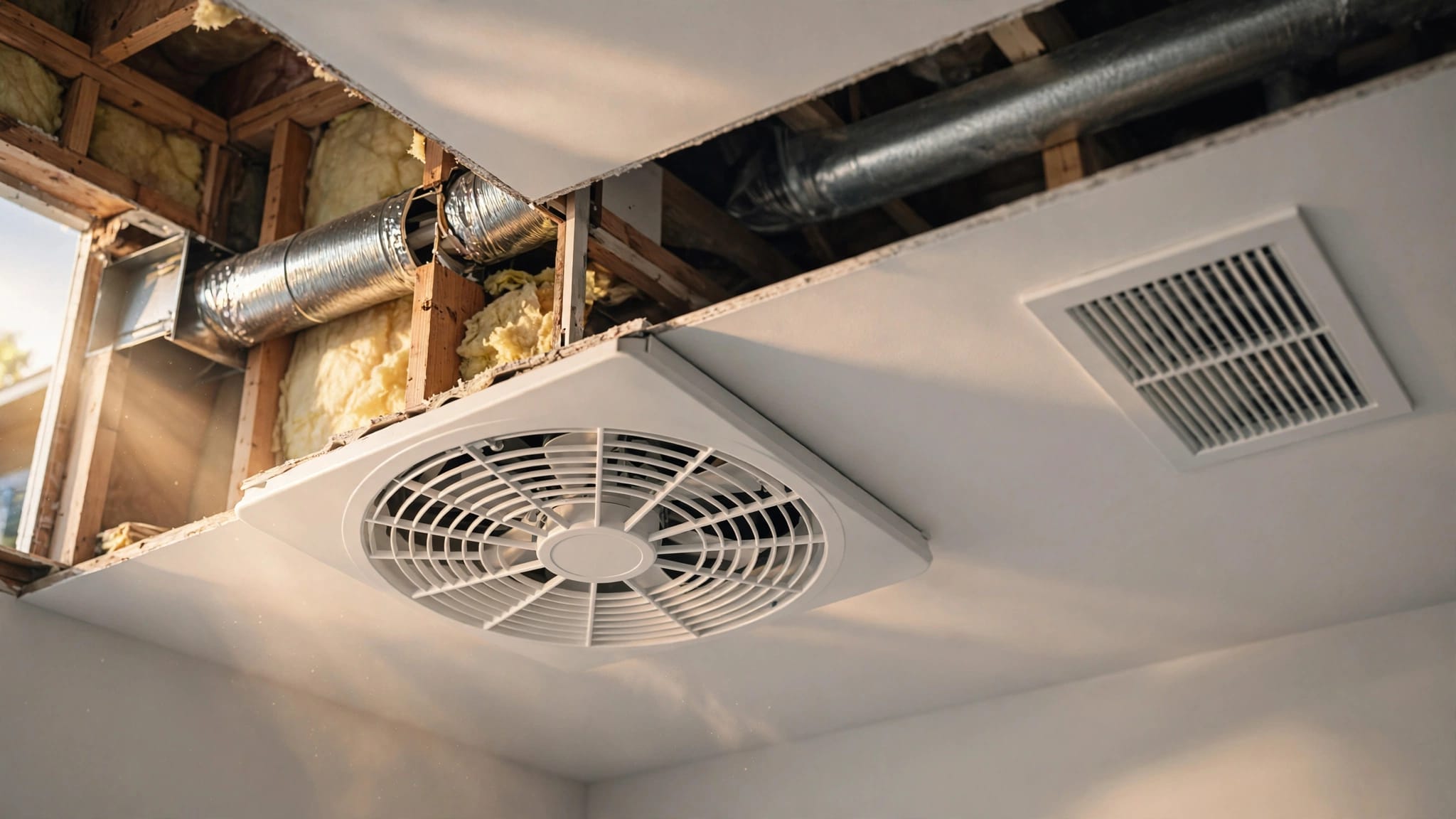
The written scope should identify supply ducts, return ducts, registers, and any accessible HVAC components included in the service. Blower compartments, filter housings, and air handler cabinets can hold debris even when nearby ducts look clean.
Coil cleaning may require separate HVAC service. Likewise, inaccessible sections limit coverage, and damaged or wet porous materials may need replacement instead of vacuuming.
Afterward, access openings need proper closure, and registers need reinstallation. Before-and-after photographs can document the areas reached. Coverage and containment matter more than a fast pass through a few vents.
Plan the Work Around Patients and Clinical Care
Veterinary facilities need more preparation than an empty office. Vacuum equipment creates noise, hoses occupy floor space, and technicians need access to grilles, ceilings, and mechanical areas.
Schedule work when the affected rooms can be taken out of service. Animals, staff, and clients should remain outside the active work zone. For hospitalized patients, the clinic's clinical team should determine suitable relocation arrangements.
Before work begins, remove or protect exposed instruments, medications, clean linens, and other clinical supplies. Keep hoses and equipment away from emergency routes and animal-handling paths.
The work plan should also identify any HVAC shutdowns and separate ventilation systems. Isolation rooms and other spaces with controlled airflow require coordination with qualified HVAC personnel and clinic leadership. Duct cleaning shouldn't alter their intended airflow relationships.
Finally, include time for equipment removal and room cleanup before appointments resume. Infection-control cleaning remains the clinic's responsibility under its established procedures; duct service doesn't replace it.
Keep Hair and Dander From Rebuilding
A maintenance plan should address what enters the system and what accumulates throughout the clinic.
Make filtration fit the equipment
A filter needs the correct dimensions, a secure fit, and a sealed pathway around its edges. Air that bypasses the filter carries particles onward, regardless of the filter's rating.
Higher-efficiency filtration can capture smaller particles, but the system must support the added resistance. An HVAC professional can assess airflow before a filtration upgrade.
Don't stack filters simply to catch more hair. Our guidance on using two HVAC filters safely explains why an extra layer can restrict airflow. Record filter condition and replacement dates so maintenance reflects the clinic's actual loading.
Capture debris before it becomes airborne
Remove loose hair from examination tables, kennel areas, and grooming surfaces before it spreads. Damp microfiber wiping captures settled particles without the disturbance caused by dry dusting.
Use a well-maintained, HEPA-filtered vacuum on suitable floors and upholstery. Wash reusable bedding according to clinic procedures, then dry it thoroughly before storage or reuse.
Keep return grilles clear of stacked supplies and furniture. Also address condensation, plumbing leaks, and damp materials promptly. Persistent moisture needs a repair, especially when insulation or an air handler stays wet.
These habits reduce the material available to enter the HVAC system between professional services.
Know What Duct Cleaning Cannot Fix
Duct cleaning removes accessible, accumulated material. It doesn't eliminate every airborne particle or stop animals from shedding.
It also won't correct undersized returns, crushed ducts, failing motors, or inadequate ventilation. If these conditions drive the complaint, cleaning alone leaves the cause in place.
Odors need source-specific attention. Kennel waste, damp bedding, drain problems, and contaminated porous materials require different responses. Likewise, a duct vacuum doesn't remove chemical vapors generated by cleaning products.
UV equipment and particle filtration also perform different jobs. UV light doesn't physically collect hair or dust, so it can't replace debris removal or a suitable filter.
Our explanation of what duct cleaning can remove outlines these limits. When an inspection reveals wet insulation, significant suspected microbial growth, or animal nesting, the work needs a revised scope. Routine hair removal shouldn't proceed as though those conditions were ordinary dust.
Frequently Asked Questions
How often should a veterinary clinic clean its air ducts?
There isn't one cleaning interval that fits every clinic. Animal volume, grooming activity, filter performance, duct condition, and renovation work all affect buildup.
Use documented inspections and maintenance records to identify a need. Residential recommendations shouldn't become an automatic schedule for a veterinary facility. A clinic with clean ducts may need filtration improvements or HVAC maintenance instead.
Will duct cleaning stop pet allergies among staff or clients?
Duct cleaning can remove settled hair, dander, and dust from accessible contaminated areas. It can't guarantee allergy relief, because exposure also comes from animals, clothing, bedding, and room surfaces.
Filtration and source control remain necessary after service. Staff with persistent respiratory symptoms need medical guidance, and the clinic may also need a broader workplace exposure assessment.
Should the ducts receive a sanitizer treatment?
A sanitizer shouldn't be an automatic addition to hair and dander removal. Physical cleaning comes first, and moisture problems need correction.
Any proposed product must suit the intended application and duct material, with occupancy restrictions addressed before use. Spraying over debris doesn't remove it. Routine cleaning and specialized contamination treatment should have clearly separate scopes.
Build a Cleaner System Around the Clinic's Needs
Effective veterinary air duct cleaning starts with evidence of buildup and a scope that addresses the affected system. Daily hair removal and properly fitted filters help keep that work useful.
At Adkins Duct Cleaning, we provide air duct cleaning and vacuuming for Gulf Coast homes and businesses. You can Get a Free Estimate for your clinic's duct cleaning needs.
The goal is a cleaner air pathway supported by maintenance that keeps pace with the animals you care for.