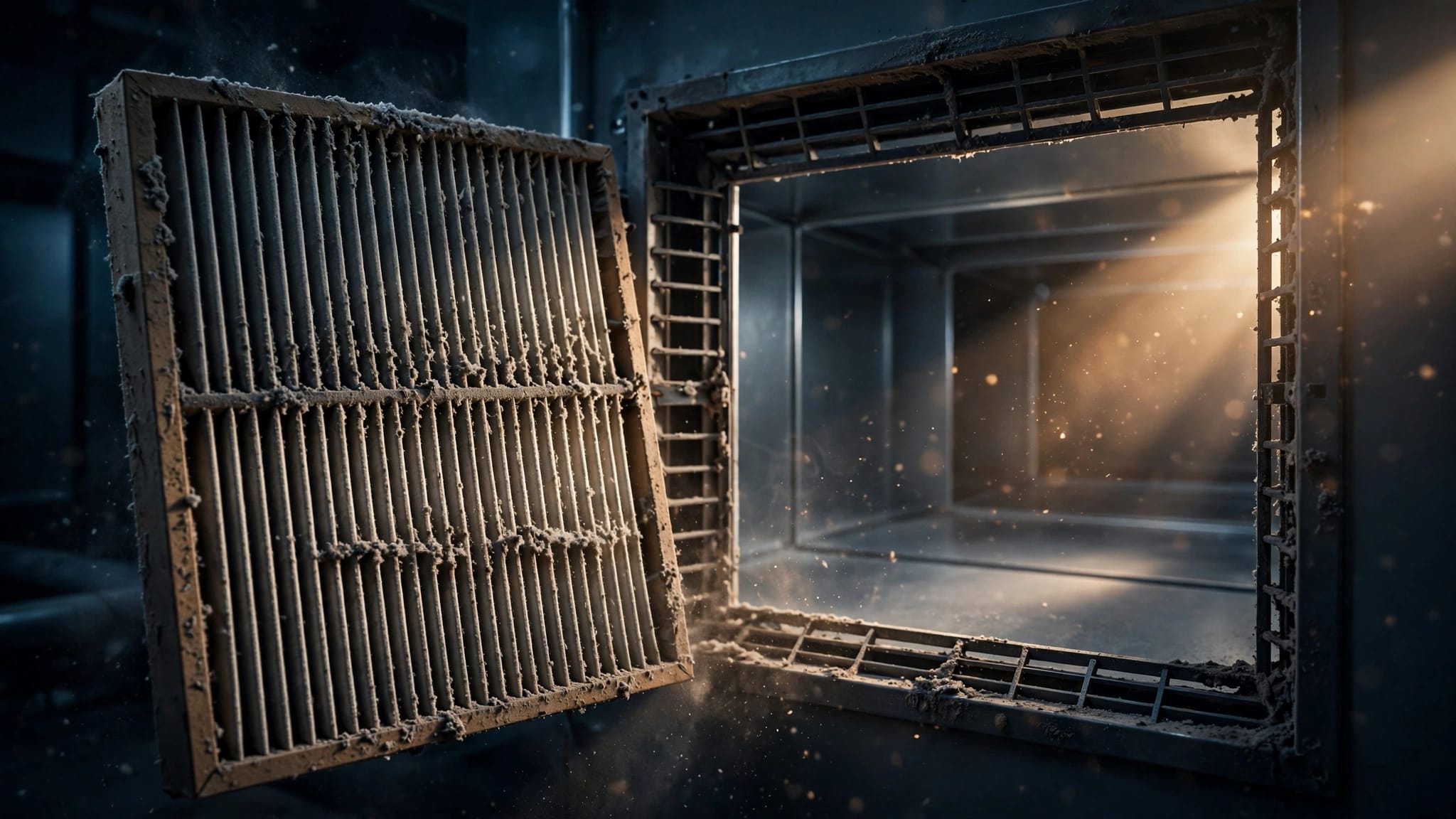
Why Your AC Filter Gets Dirty So Fast
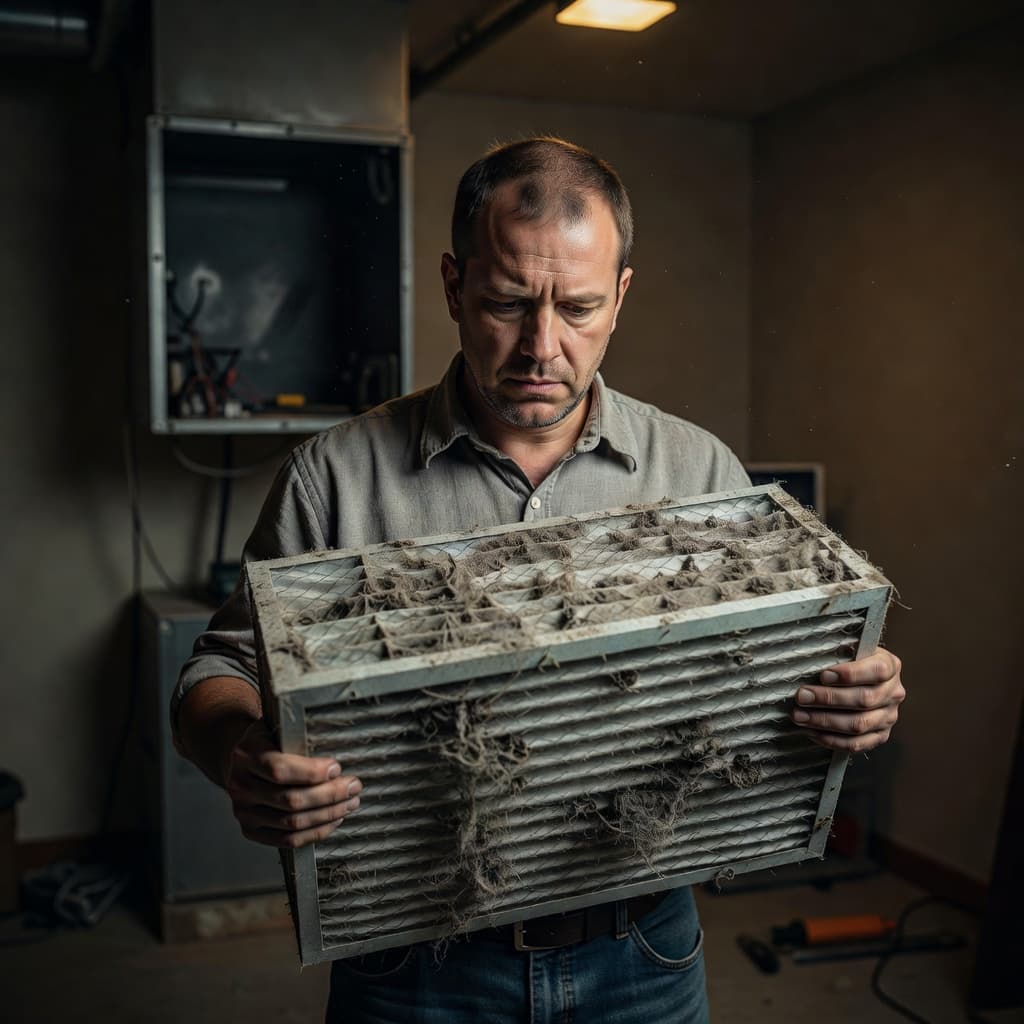
A dirty AC filter after only a few weeks usually points to more than skipped maintenance. Your filter is doing its job, but it may be catching a lot more than normal, or your system may be moving air through a problem.
In a Florida home, that can happen fast. Long cooling cycles, humidity, pets, cooking, yard dust, and open doors all add load. The real question is not just why the filter looks dirty, but what is making it dirty so quickly.
Common reasons a filter loads up fast
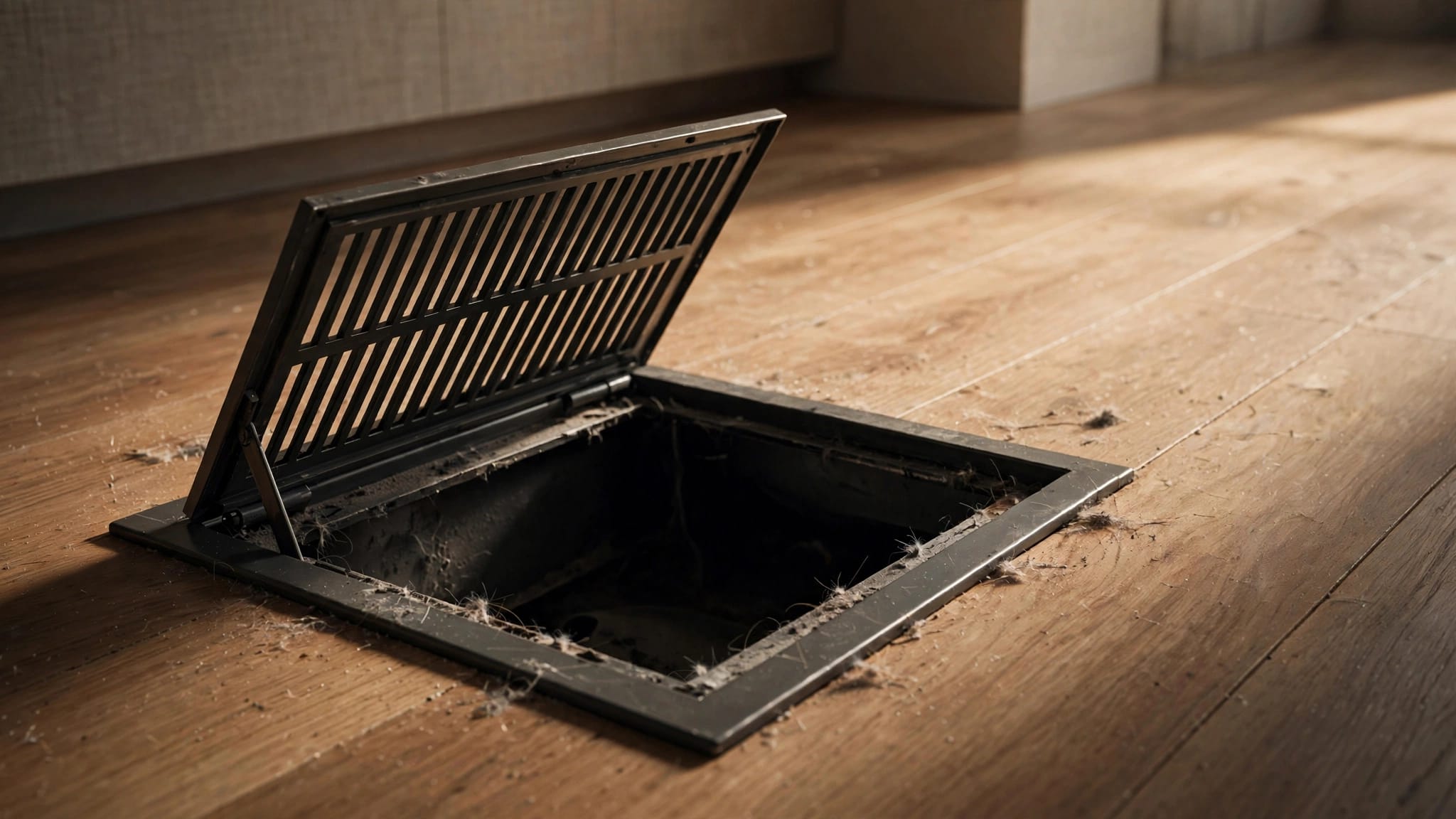
Some filters clog quickly because the home sends a steady stream of dust into the return side. Pet hair, lint, smoke from candles, cooking grease, and tracked-in dirt all settle on the filter media. If you keep windows open, even for short periods, the buildup rises faster.
Humidity makes it worse. In muggy air, dust clumps and sticks instead of floating through. That means the filter can look gray and packed long before you expect it to.
Filter choice matters too. A thin filter may let too much fine dust pass through, while a very dense filter can clog fast if the system does not have enough airflow. Fit matters as well. If air slips around the edges, the filter may collect dirt unevenly and fail faster.
A filter that fills up fast is often a warning light, not the whole problem.
When fast buildup points to airflow trouble
When air cannot move freely, dust settles on the filter faster. The system also runs longer, so the same filter sees more air and more debris. That is why a dirty AC filter is often a symptom, not the problem .
Look for these signs of restricted airflow:
- Weak air from supply vents, even when the system is on.
- Rooms that stay warm while others cool normally.
- A return grille that sounds louder than usual.
- Dust on vent edges soon after cleaning.
- Ice on the indoor coil in more serious cases.
Closed registers, a dirty blower wheel, a clogged evaporator coil, or leaky return ducts can all add strain. If the same buildup returns after you replace the filter, compare air duct cleaning vs filter changes before you assume the filter is the whole story.
What a normal filter schedule looks like
No single schedule fits every house, but these ranges are a good starting point.
| Home situation | Common check or change range |
|---|---|
| Standard home with low dust | Every 60 to 90 days |
| Home with one or two pets | Every 30 to 60 days |
| Florida home with heavy AC use | Every 30 to 45 days |
| Recent remodeling or heavy dust | Check every 2 to 4 weeks |
These are starting points, not hard rules. If your filter looks dark, matted, or unevenly loaded well before that window, something is pushing more debris through the system. In a Florida home, that often means the system runs a long time, the house pulls in extra dust, or the airflow needs attention.
Simple checks you can do at home
Before replacing the filter again, start with the basics.
- Make sure the filter size matches the slot and sits flat. A loose fit lets dust sneak around the frame.
- Check the arrow on the filter. It should point toward the blower.
- Look at the return grille. A thick dust layer there can feed the filter faster.
- Open blocked supply vents and clear furniture away from them.
- Think about recent dust-heavy work, such as sanding, flooring, or roof repairs.
If buildup keeps coming back, it helps to see what happens during an air duct cleaning. That makes it easier to separate routine filter care from dirt already sitting in the ductwork.
If the filter is dirty again after a few weeks, or if airflow stays weak, Get a Free Estimate before the problem gets worse.
Call an HVAC professional sooner if you notice musty smells, warm rooms, ice on the coil, or a filter that clogs right after replacement. Those signs often point to a system issue that needs more than another new filter.
Conclusion
A filter that dirties quickly is often the first sign that your system is hauling in too much dust or struggling to move air. The filter is doing the job you asked it to do, but it may be revealing a larger issue at the same time.
Start with the simple checks, then pay attention to the pattern. If a dirty AC filter keeps coming back, the next step is usually a closer look at the ducts, blower, or coil.