Air Duct Cleaning Safety: Can You Stay Home?
Most homeowners can stay home during professional air duct cleaning, but air duct cleaning safety depends on the crew's equipment, cleaning method, and your household's needs. The work can be noisy and may require access to vents, returns, the air handler, or attic areas.
You don't usually need to leave for the entire appointment. However, children, pets, sensitive occupants, and chemical treatments may change the best plan. A little preparation will help you decide whether to remain home comfortably and safely.
Key Takeaways
- Most people can stay home while technicians clean the HVAC duct system.
- Expect equipment noise, movement through several rooms, and temporary HVAC shutdown.
- Children, pets, and people with respiratory sensitivities may be more comfortable elsewhere.
- Ask whether the company will use negative pressure, source removal, or any treatment products.
- Clear access around vents and the indoor unit before the crew arrives.
Air Duct Cleaning Safety: Can You Stay Home?
Yes, staying home during air duct cleaning is usually reasonable when the company follows a controlled process. Professional technicians should connect the duct system to powerful vacuum equipment, protect nearby surfaces, and remove loosened debris rather than spread it through the house.
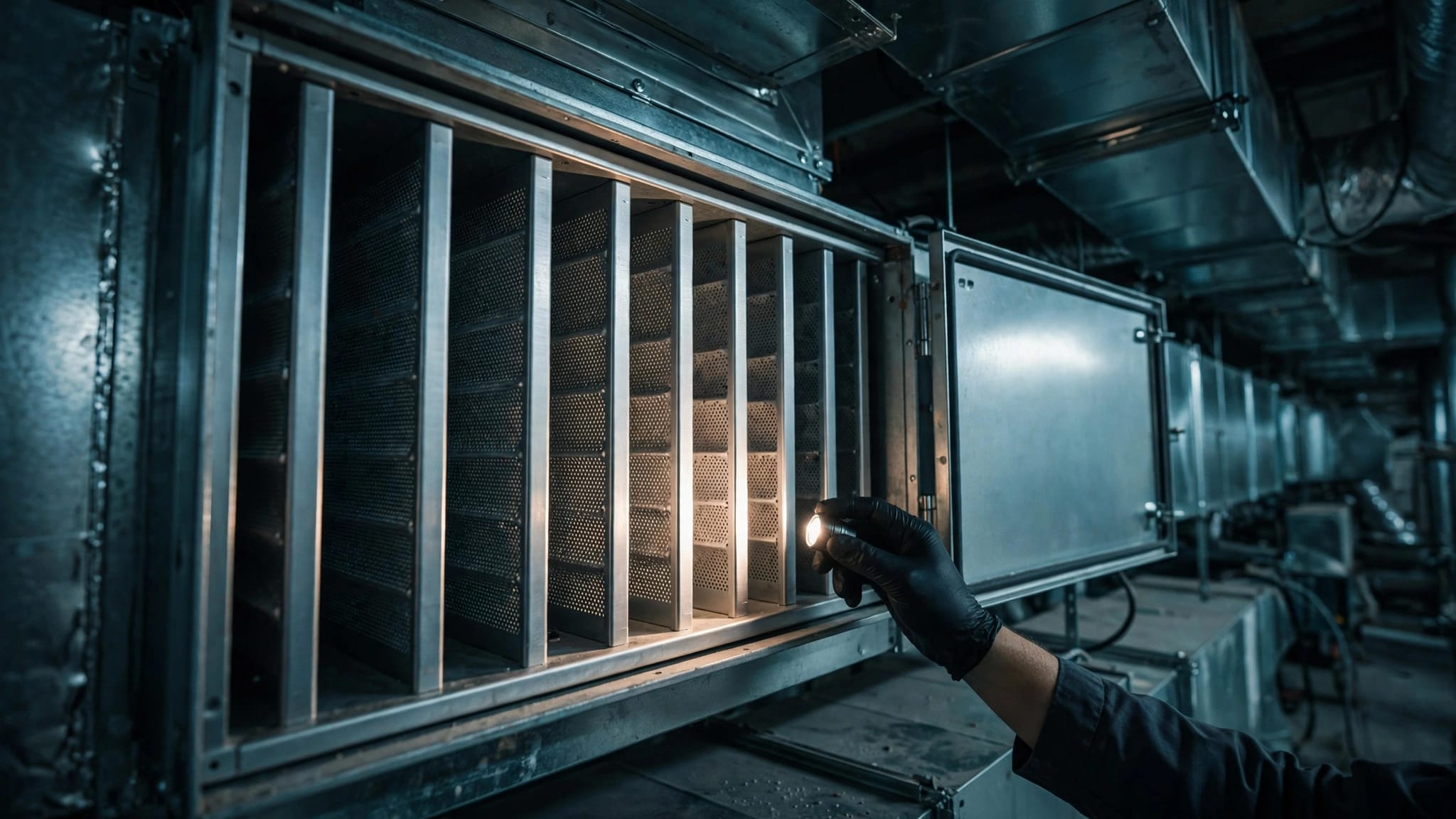
The crew may open access points in the supply and return ductwork. They might also need to work near the indoor air handler, furnace, heat pump, or attic duct lines. These activities are normal, but they create noise and require clear working space.
Your HVAC system will often remain off while the crew works. That allows the equipment to maintain proper suction and prevents air from circulating while technicians clean the system. In a warm Florida home, you may notice the temperature rise during the appointment. Ask how long the system will be off so you can plan around the weather.
A reputable company should explain what will happen before starting. The technicians should identify the areas they need to access, describe any products they plan to apply, and answer questions about ventilation and cleanup. You can review what to expect during an air duct cleaning visit before the appointment.
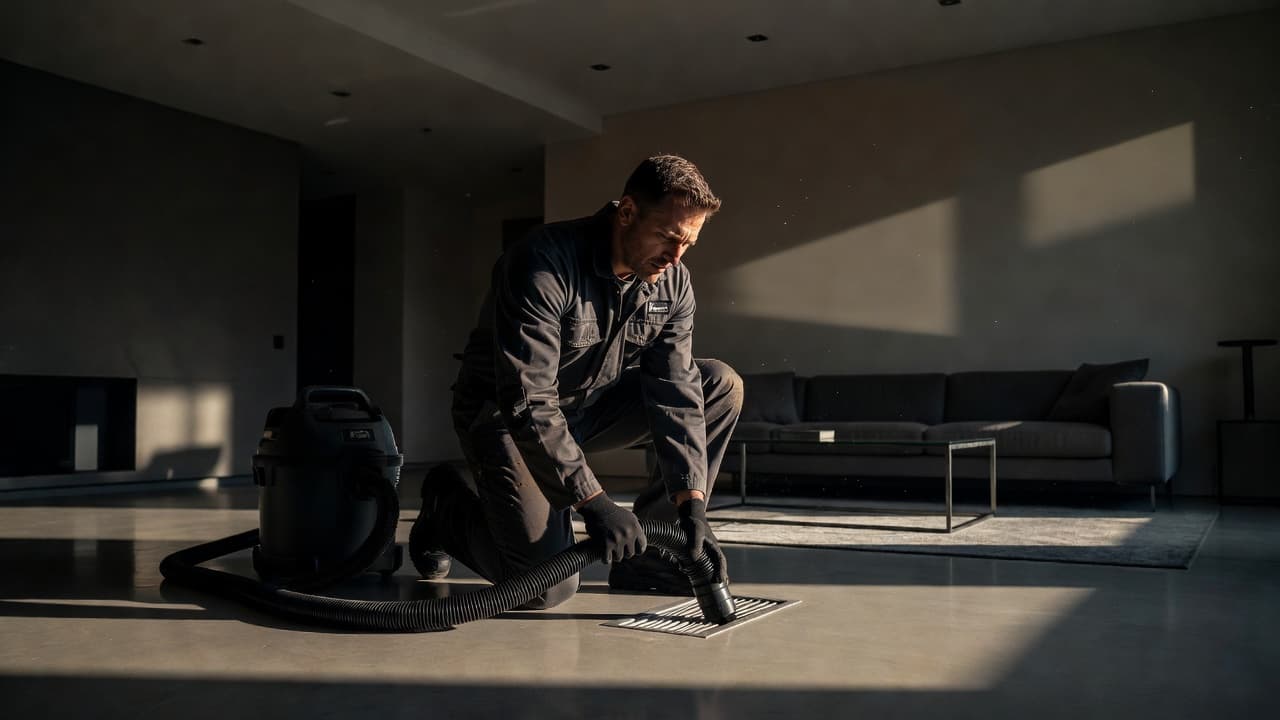
The main concern isn't your presence. It's whether the work area stays controlled. If the crew seals the system correctly and uses suitable equipment, you can remain in another part of the home while they clean.
What You May Notice While the Crew Works
Air duct cleaning isn't silent. Vacuum systems can produce a steady, loud motor sound, especially when the equipment runs near living areas or connects through an exterior door. You may also hear technicians moving hoses, opening registers, and accessing duct sections.
The sound isn't usually dangerous, but it can disturb phone calls, naps, meetings, or television. If you work from home, choose a room farthest from the equipment and ask the crew where they plan to position the vacuum.
You may also see technicians moving between rooms. They need to reach supply vents, return grilles, and sometimes the air handler. Furniture near those locations can slow the job and make it harder to protect floors and walls.
A careful crew should use drop cloths, corner protection, or other coverings around equipment and access points. They should keep removed vent covers organized and reinstall them after cleaning. At the end, ask the technician to show you the cleaned areas and confirm that access panels are secure.
Air duct cleaning safety depends on containment. Debris should move into the collection equipment, not into your rooms.
Some homeowners notice a temporary odor after cleaning, especially when the system runs again. Dust, old insulation, microbial growth, or a treatment product can affect the smell. Tell the company about unusual odors before work begins, particularly if you want cigarette odor removal, sanitizing, or an antimicrobial treatment.
The word "sanitizer" doesn't automatically tell you whether a product is appropriate for your home. Ask for the product name, intended use, ventilation instructions, and whether anyone should avoid the area during or after application.
When Should You Leave the House?
You may prefer to leave if anyone in the home has asthma, strong fragrance sensitivity, or another condition that makes dust and odors difficult to tolerate. Cleaning should reduce contamination in the duct system, but the work itself can disturb settled material around access points.
Leaving can also make sense when you have a newborn, a sick family member, or someone who needs uninterrupted rest. You don't need to treat every appointment as hazardous. The issue is comfort, exposure to noise, and access to the work areas.
Pets often need special consideration. Dogs may react to loud vacuum equipment, unfamiliar visitors, or open doors. Cats can hide near equipment or slip through an exterior door while technicians carry hoses. Secure pets in a closed room away from the work area, or arrange for them to stay elsewhere.
Children should not play near hoses, open access points, tools, or attic ladders. If a child needs to remain home, keep them in a separate room with an adult. The same rule applies to guests who aren't familiar with the work zone.
You should also consider leaving if technicians must use a treatment product and the company recommends temporary vacancy. Follow the product label and the contractor's instructions. Don't assume a treatment is safe for everyone simply because it is marketed for indoor use.
Ask these questions before the appointment:
- Will you apply a sanitizer, inhibitor, deodorizer, or other product?
- Does anyone need to leave during application?
- How long should we stay away afterward?
- Will you need attic access or open exterior doors?
- How much noise should we expect?
A clear answer helps you choose between staying, waiting in another room, or leaving for part of the visit.
How to Prepare If You Plan to Stay Home
Preparation reduces interruptions and helps the crew work safely. Start by clearing furniture, boxes, toys, and decorations away from supply vents and return grilles. Leave enough room for technicians to remove covers and connect tools without bumping nearby items.
Make the path to the air handler easy to reach. In some homes, that equipment sits in a closet, garage, utility room, or attic. Remove stored items that block the door or access panel. If technicians need attic access, secure the ladder area and remove anything that could create a trip hazard.
Close doors to rooms you don't want pets or children entering. Keep personal items away from the work zone, and tell the crew about fragile flooring, recently painted walls, or furniture that needs extra protection.
Before work starts, point out concerns that aren't obvious. Mention water damage, musty smells, visible mold-like growth, loose insulation, pest activity, or a return grille that rattles. These details can affect the inspection and may require HVAC or building repairs beyond cleaning.
Avoid running the HVAC system during the appointment unless the technicians tell you to do so. The crew needs control over airflow while connecting the vacuum and cleaning individual sections. Turning the system on at the wrong time can move dust or interfere with the equipment.
Keep the thermostat area accessible. After cleaning, the technician may need to restart the system, check airflow, and confirm that the unit operates normally. You should also receive a final explanation of any limitations, damaged components, or recommended repairs.
A professional visit should include more than a quick pass over visible vent covers. If you want to compare service methods, review these questions to ask before hiring duct cleaners.
What a Safe Professional Process Looks Like
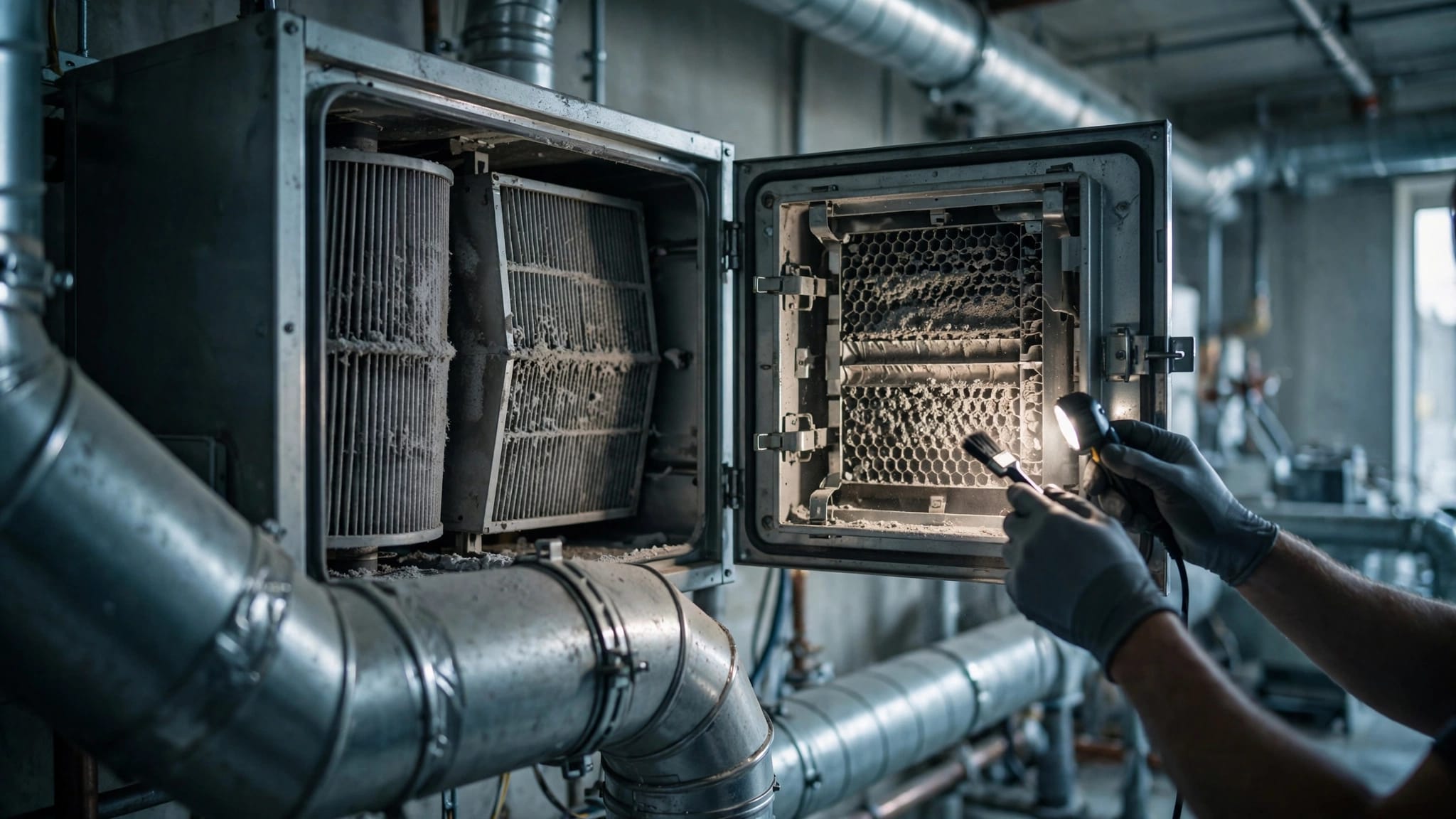
A thorough cleaning usually begins with an inspection. The technician should identify the system layout, locate supply and return runs, check the air handler, and look for conditions that may affect the work.
The crew should then protect the home and create controlled suction. Negative pressure helps pull loosened dust and debris toward the collection equipment. Source removal means the technician agitates contaminated surfaces while the vacuum captures the material.
The exact tools vary by system. A company may use access equipment, air whips, brushes, compressed air, or specialized vacuum hoses. The method should match the duct material and the condition of the system. Aggressive tools can damage fragile insulation or flexible ductwork when used carelessly.
Technicians should avoid making unsupported health promises. Air duct cleaning may remove accumulated dust and debris, but it won't correct every indoor air problem. Moisture, leaks, dirty filters, poor ventilation, and HVAC defects can continue affecting indoor conditions after cleaning.
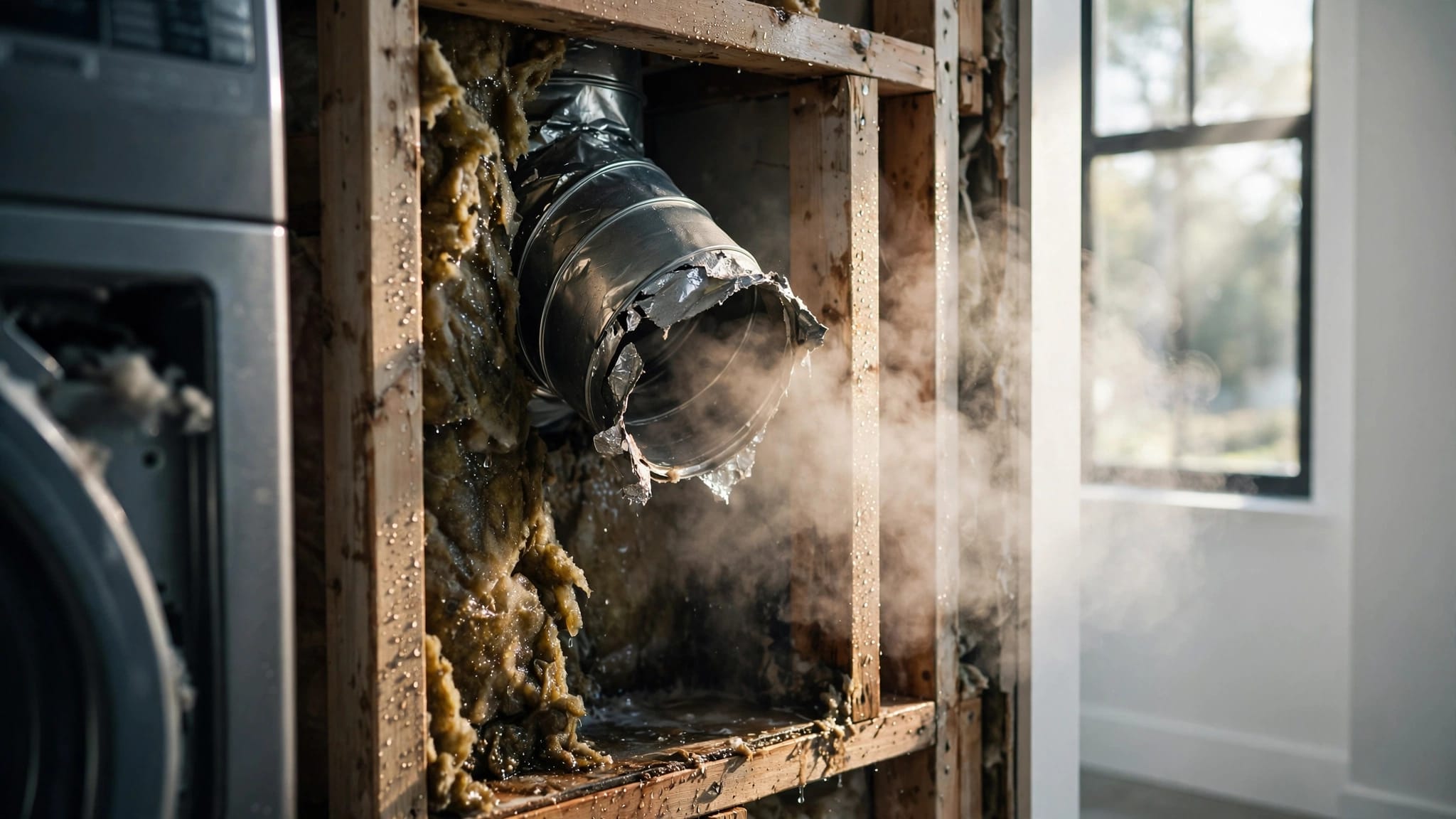
The company should also separate duct cleaning from dryer vent cleaning. A dryer vent has different safety concerns because lint buildup can restrict exhaust airflow and increase fire risk. The service requires an inspection of the vent route, proper cleaning equipment, and a check that the dryer exhausts correctly.
When you hire a provider, ask whether the estimate includes the entire duct system, registers, returns, air handler components, access panels, and cleanup. Also confirm whether dryer vent service is included or priced separately.
For a local estimate covering air ducts or dryer vents, you can Get a Free Estimate before scheduling the work.
Air Duct Cleaning Safety After the Job
Your home should be ready for normal use after the crew completes cleanup and confirms that the system is closed. Ask when you can restart the HVAC system if the technicians applied a product. Follow any instructions about ventilation, pets, children, or sensitive occupants.
Check that vent covers are secure and that access panels don't rattle when the system runs. A small amount of startup odor may occur, but a strong or persistent smell deserves a call to the company. Report unusual noise, weak airflow, visible dust, or loose panels as soon as you notice them.
Replace the HVAC filter when appropriate. The technician may recommend a new filter after cleaning, especially if the old one is loaded with debris. Use the filter size and rating recommended for your equipment. A filter that is too restrictive can reduce airflow in some systems.
Keep receipts, service details, and any product information with your home maintenance records. Those details can help if you need follow-up work or want to schedule future HVAC or dryer vent service.
Conclusion
Most homeowners can stay home during professional air duct cleaning. The practical concerns are noise, temporary HVAC shutdown, open access points, cleaning debris, and any treatment products used during the appointment.
For better air duct cleaning safety , clear the work areas, secure pets, keep children away from equipment, and ask direct questions before the crew begins. If someone in your household is sensitive to dust or odors, leaving during the noisiest or most active part of the service may provide greater comfort.