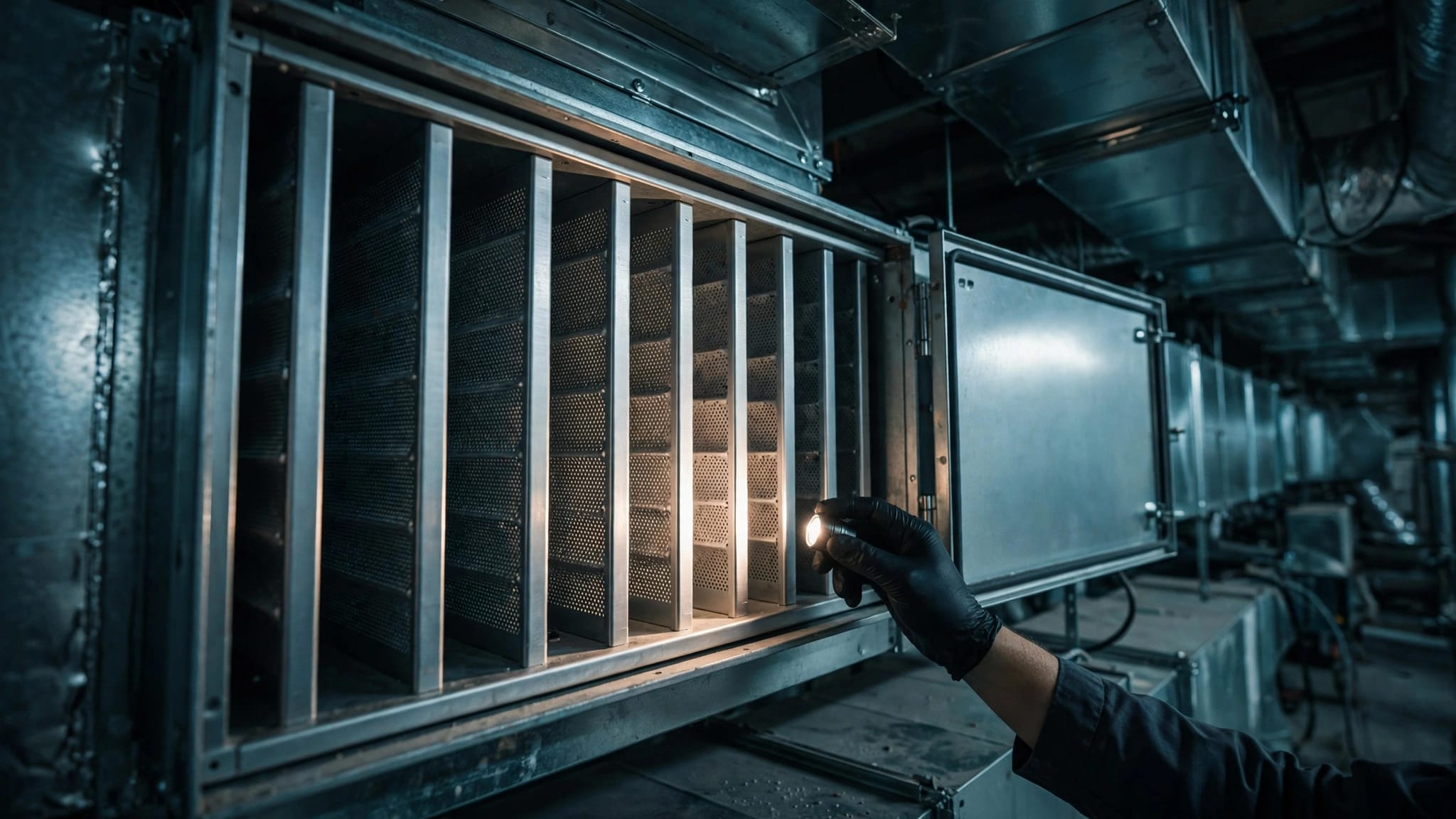
Air Duct Cleaning Warranty: What Homeowners Should Know
An HVAC warranty can feel fragile when someone needs to access vents, ductwork, or the air handler. Yet a professional cleaning visit usually doesn't cancel coverage on its own.
An air duct cleaning warranty concern usually comes down to the written terms and the condition of the equipment after service. Manufacturer warranties often cover named HVAC parts under stated conditions, while duct cleaning is a separate maintenance service.
The practical goal is simple: use a careful, insured provider and keep clear records of what was done.
Your Air Duct Cleaning Warranty: What Actually Affects Coverage
A standard duct cleaning doesn't automatically void an HVAC manufacturer's warranty. However, a claim for a damaged part may be affected if cleaning caused the damage or violated a condition in your warranty paperwork.
Cleaning itself is usually separate from equipment coverage
Duct cleaning removes loose dust and debris from air pathways. It isn't the same as repairing a compressor, replacing a blower motor, or correcting a refrigerant issue.
For that reason, a routine cleaning service generally doesn't erase the manufacturer's responsibility for a covered equipment defect. Still, read the warranty before scheduling work, especially if the system is new or has an unresolved mechanical problem.
The written warranty controls the claim
Warranty documents may identify covered parts, exclusions, start dates, transfer rules, and required maintenance. They can also exclude damage tied to misuse, improper repairs, or unauthorized modifications.
Keep your original warranty, installation paperwork, and HVAC service invoices together. If you later need a claim, those records provide a clear history of the equipment.
Key Takeaways
- Professional cleaning usually does not cancel an HVAC manufacturer's warranty by itself.
- Damage caused during improper service may affect coverage for the damaged component.
- A manufacturer parts warranty and a contractor workmanship warranty are different forms of coverage.
- Your system's written warranty terms are the final reference for a claim.
What an HVAC Warranty Usually Covers
Warranty coverage varies by model, installer, and written agreement. However, it helps to separate equipment protection from normal home maintenance.
Manufacturer parts and contractor labor are different
A manufacturer may provide limited coverage for a failed part that has a qualifying defect. The installing contractor may offer separate labor or workmanship coverage for installation-related issues.
Neither type of warranty automatically makes duct cleaning part of the HVAC installation agreement. Before booking, compare HVAC maintenance and duct cleaning so you can match the service to the issue you see.
Duct cleaning has a focused purpose
The U.S. Environmental Protection Agency does not recommend duct cleaning on a fixed schedule for every home. Instead, the EPA points to conditions such as substantial visible mold, vermin activity, or excessive dust and debris inside the system.
Cleaning also may make sense after remodeling dust, water damage, or a pest problem. A clean-looking system with no odor, debris, moisture issue, or airflow complaint may only need normal filter replacement and HVAC maintenance.
When Duct Cleaning Could Affect a Warranty Claim
The risk isn't the name of the service. The concern is whether someone damages HVAC equipment or duct materials while doing it.
Damage during service can create a problem
Flexible duct has a delicate inner liner. Excessive force from a brush or other agitation tool can tear it. A technician can also damage insulation, loosen a connection, disturb wiring, or leave an access panel unsealed.
If a blower, coil, control, or duct section is damaged during cleaning, the manufacturer may not cover that damage. The cleaning company should address its own workmanship or liability responsibilities when its work caused the issue.
Unnecessary add-ons deserve questions
Sanitizers, inhibitors, UV lights, and odor treatments are separate services. They should not appear as automatic additions to a basic cleaning quote.
Ask why a product is recommended, where it will be applied, and whether moisture has been corrected first. Cleaning can remove loose material, but it cannot fix a leaking return, clogged drain pan, roof leak, or high indoor humidity.
A duct treatment cannot solve the moisture source that allowed microbial growth to develop.
How to Protect Your HVAC Warranty Before Service
Good documentation protects your home, your equipment, and your ability to explain a future warranty claim.
Ask for a written scope of work
The estimate should say whether it includes supply ducts, return ducts, main trunks, registers, plenums, and accessible air-handler areas. Coils, drain pans, and blower compartments may require separate access or HVAC service.
A low price for visible vent cleaning may not include the areas where dust has collected. Review a duct cleaning estimate before booking so the scope matches the condition of your system.
Choose careful methods and keep the records
Ask how the crew will protect flex duct, furniture, flooring, registers, and HVAC components. A professional cleaning process uses controlled collection equipment so loosened debris moves into the vacuum system rather than into your rooms.
Afterward, save the estimate, completion report, photos, filter information, and receipts. Record the cleaning date, work performed, products applied, and any condition found during the visit.
For homeowners arranging service on Florida's Gulf Coast, Get a Free Estimate for air duct or dryer vent cleaning with a clear written scope.
FAQ
Can I clean my ducts while my HVAC system is under warranty?
Yes, in most cases. Cleaning the ducts does not usually void the manufacturer's warranty. However, review your warranty terms first, and choose a provider that can explain its cleaning method and protect the equipment.
Should duct cleaning include the air handler and coil?
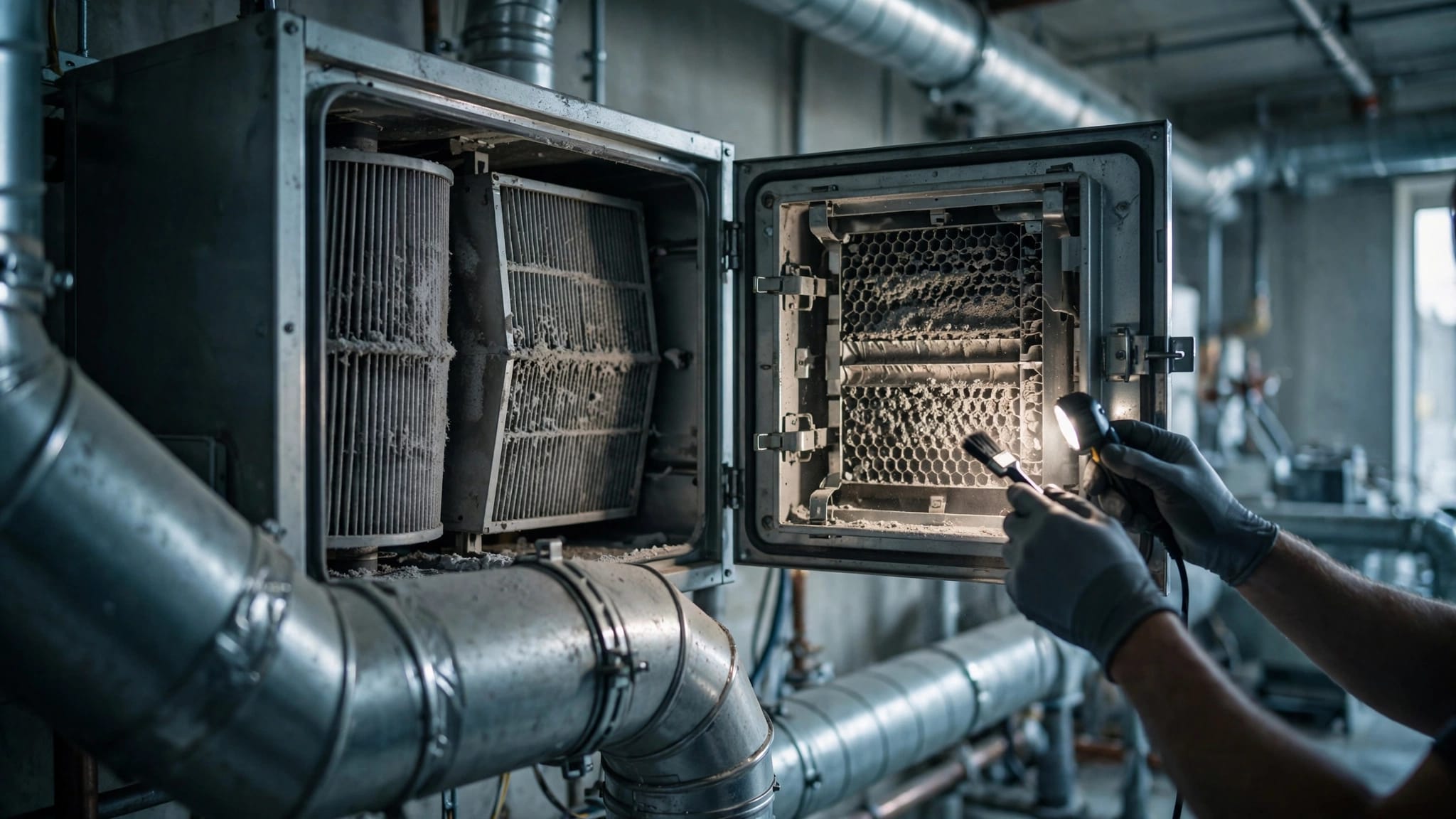
It depends on the inspection and the written scope. NADCA guidance addresses the full HVAC system, including supply and return ducts, registers, grilles, coils, drain pans, blower components, and the air-handler housing when cleaning is justified.
Still, don't assume every quote includes every component. Some areas need separate HVAC service, repair, or access.
Final Thoughts
A careful air duct cleaning warranty decision starts with the written terms, a justified reason for service, and a provider who documents the work. Cleaning itself usually isn't the problem.
Damage, poor methods, or unresolved moisture issues are what can complicate coverage. Keep records, ask direct questions, and treat duct cleaning as one part of sensible HVAC care.