Air Duct Cleaning When Your HVAC Uses Outside Air
An outside-air intake can bring fresh air into a building, but it can also introduce leaves, dust, pollen, and moisture when the intake path needs attention. Air duct cleaning can help when an inspection finds debris within accessible HVAC components, yet the work must follow the system's actual airflow paths.
For homeowners and facility operators, the important first step is knowing what connects where. The outside-air intake, return ductwork, supply ducts, and dryer vent each have different jobs and require different cleaning methods.
A careful inspection identifies the affected path before anyone opens panels or attaches equipment.
Map the Outside-Air Intake, Return, and Supply Paths
Central HVAC systems move several types of air. Confusing those paths can lead to incomplete cleaning or damage to parts that should receive different treatment.

Outside air enters through a dedicated path
An outside-air intake draws outdoor air through a hood, louver, or wall penetration. Depending on the system, that air may pass through a damper and filter section before mixing with return air near the air handler.
The intake isn't the same as a return. Its outdoor opening should stay clear of leaves, nesting material, standing water, and loose debris. However, don't remove intake screens, force open dampers, or reach into inaccessible sections without knowing the equipment layout.
A stuck damper, damaged screen, wet insulation, or electrical component near the intake calls for qualified HVAC service before cleaning begins.
Return air comes back from occupied rooms
Return ducts pull indoor air from return grilles back toward the air handler. Because this path collects air from living areas, it often gathers more household dust, pet hair, and loose debris than supply branches.
Supply ducts carry conditioned air from the equipment back to rooms through registers. They should be evaluated separately from the return side and outside-air intake.
A clean supply register doesn't prove the return path, air handler, or outside-air intake is clean.
For concealed return pathways, professional inspection matters. Cleaning concealed HVAC return pathways requires methods suited to the chase and its materials, not aggressive probing through an opening.
Shut Down and Isolate Equipment Before Inspection
Safe air duct cleaning begins before a vacuum hose enters the system. Equipment should be off and isolated so the blower cannot start while panels, dampers, or duct connections are open.

Protect dampers, wiring, and insulation
Motorized dampers regulate outside-air flow. Their blades, actuators, and linkages can bend or fail if someone pushes tools through the assembly. The same caution applies to sensors, low-voltage wiring, access doors, and filter racks.
Flexible duct and lined ductwork also need a gentle approach. Excessive brush pressure can tear a flex duct's inner liner or damage duct insulation. A technician should identify the duct material before selecting agitation tools.
Pause the work if inspection finds exposed wiring, a wet electrical area, a damaged drain pan, disconnected ductwork, or loose insulation around the equipment.
Inspect the full accessible route first
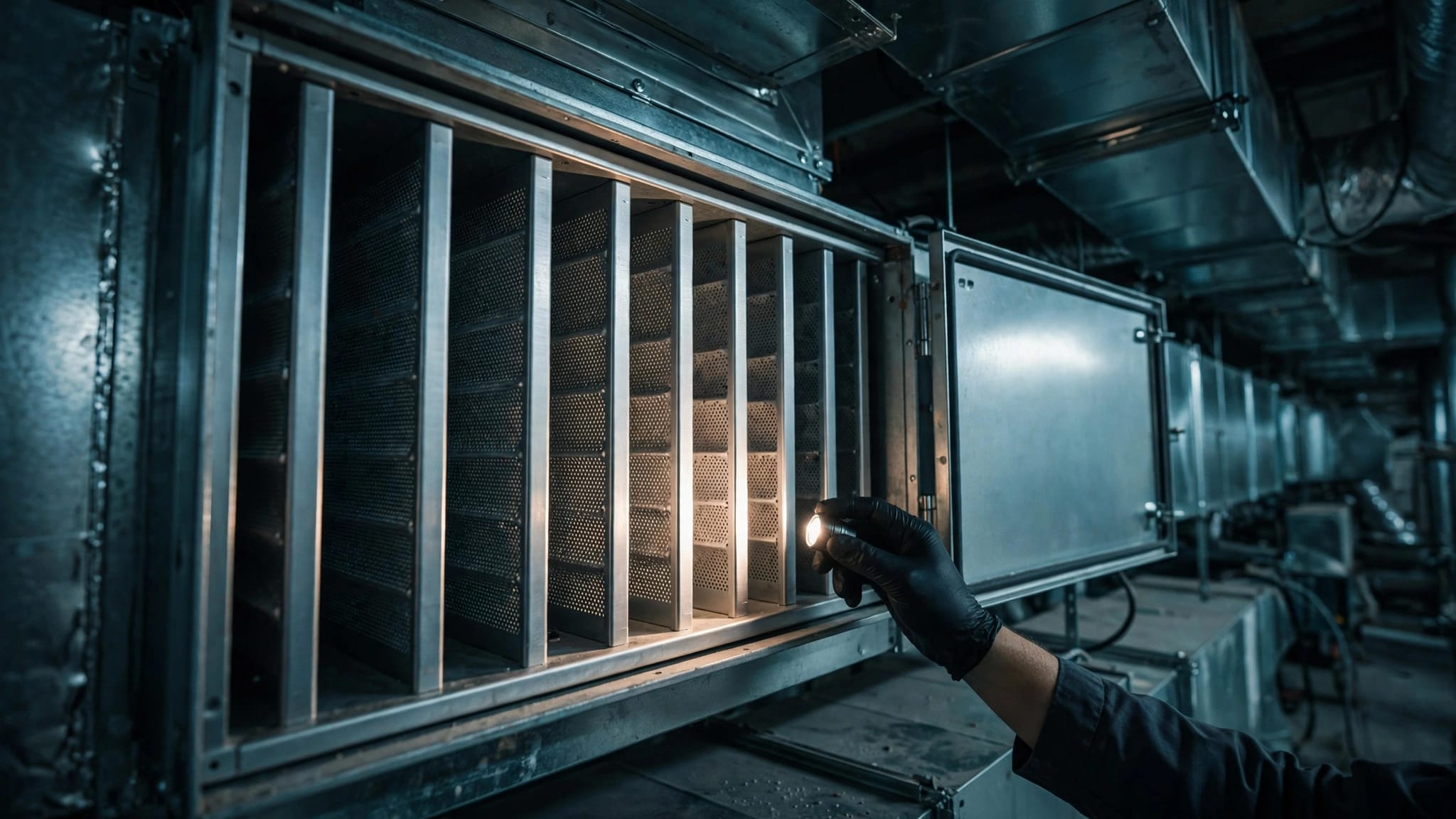
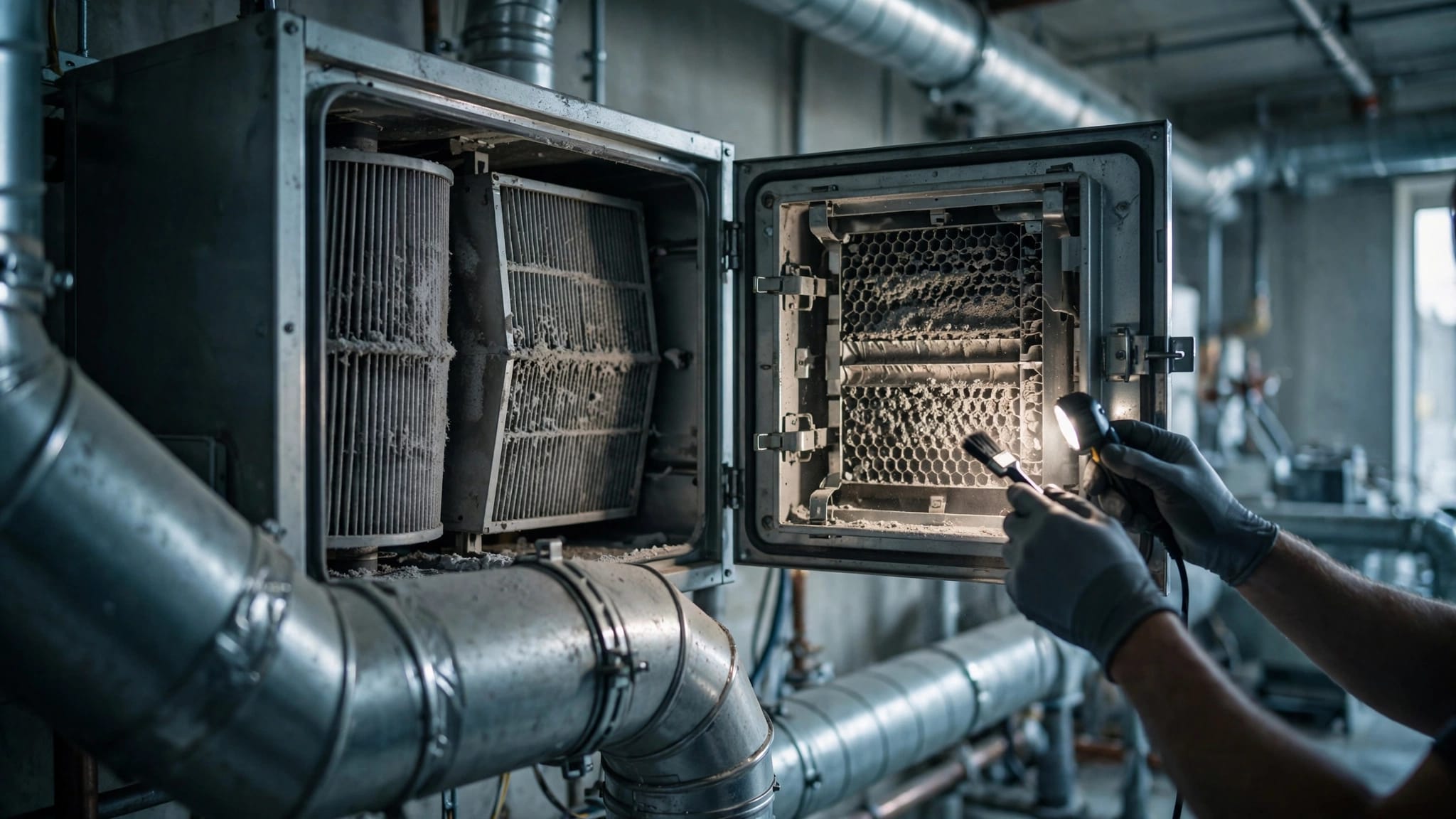
A proper inspection looks beyond visible grilles. It should include accessible return and supply ducts, registers, plenums, the air-handler cabinet, filter housing, and the outside-air connection where reachable.
The inspection also confirms whether the property has one air handler or multiple independent systems. Each air handler has separate return and supply paths, so one easy-to-reach system shouldn't stand in for the rest of the building.
For a closer look at the air duct cleaning process, review what access points, preparation, and equipment noise to expect before the visit.
Know the Warning Signs That Merit an Inspection
Duct cleaning isn't a calendar task for every building. The U.S. Environmental Protection Agency does not recommend routine cleaning for every home. Visible contamination or a clear system concern provides a stronger reason to inspect.
Debris, odors, and fast-loading filters
Look for loose material inside supply boots, return openings, or accessible duct sections. Dust that continues to blow from supply registers after a renovation also deserves attention.
Other warning signs include:
- A filter that becomes dirty much faster than usual.
- Musty odors that appear when the system runs.
- Evidence of pests near ductwork or the outside-air intake.
- Visible debris in the blower compartment, return plenum, or accessible intake path.
- Weak airflow that appears with noticeable dust or debris.
One sign doesn't prove that the entire duct system needs cleaning. It does tell the technician where to look first.
Moisture and damage need repair before cleaning
Florida humidity can turn a small drainage issue into wet insulation, staining, or odor. Cleaning loose debris won't correct a drain problem, a return leak, or an outside-air damper that allows unwanted moisture into the system.
Likewise, crushed flex duct, separated joints, torn insulation, and disconnected boots require repair. Cleaning before those defects are corrected can leave the same conditions in place.
When odors begin near the indoor equipment, start with the air handler. When dust blows from vents, inspect the ducts. This guide to air handler versus duct cleaning can help clarify which service matches the evidence.
How Air Duct Cleaning Should Address the System
When inspection supports cleaning, the scope should match the affected components. Vacuuming a few register openings doesn't clean the full accessible duct path.
Use controlled collection and suitable agitation
Professional air duct cleaning commonly uses a high-powered collection unit to place the duct system under controlled negative pressure. Technicians then loosen debris with tools suited to the duct material while the collection equipment captures it.
Return grilles, branches, trunks, and accessible plenums often need attention before supply branches. Since returns draw air from occupied spaces, they may hold heavier buildup.
The crew should protect finished surfaces, cover openings as needed, and keep the vacuum running while debris is loosened. Photos can document conditions inside areas that are otherwise hard to see.
Confirm what the estimate includes
Ask for a written scope that identifies the HVAC systems, return side, supply side, registers, grilles, accessible plenums, and air-handler components included in the service.
Coils, blower wheels, drain pans, and internal cabinets may need separate access or HVAC service. Don't assume a whole-house quote covers every component. Sanitizers, microbial treatments, odor products, UV lights, and air purification equipment are separate options, not automatic additions.
A clear scope also protects the outside-air intake. The technician should explain whether the intake hood, damper section, filter area, and connected accessible ductwork are part of the work.
Keep Dryer Vent Cleaning Separate From HVAC Work
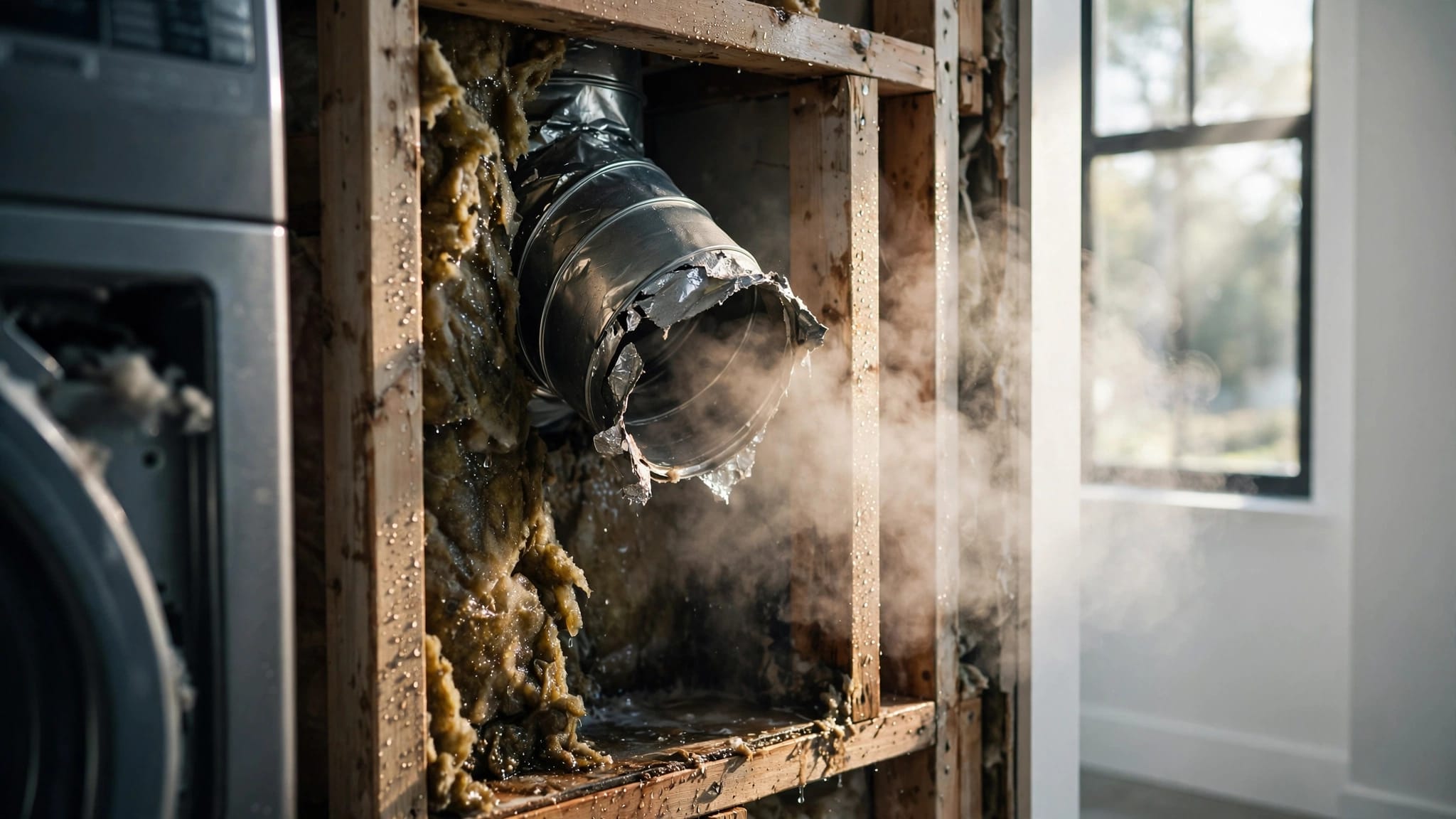
A dryer vent may run through the same attic or wall cavity as HVAC ducts, but it isn't part of the heating and cooling system. It carries warm, moist exhaust and lint outdoors.
Different systems need different equipment
HVAC return and supply ducts circulate conditioned air through the building. A dryer vent connects the dryer to an exterior termination. Cleaning one doesn't clean the other.
Dryer vent brushes and long rods should not be pushed into concealed HVAC returns. Those tools can damage hidden duct materials or dislodge connections. Likewise, an HVAC duct vacuum doesn't remove lint throughout a dryer exhaust line.
Learn more about HVAC cleaning for ductless and central systems if your property has more than one type of comfort equipment.
Watch for dryer-specific warning signs
Longer drying cycles, excess heat around the dryer, lint near the connection, and a weak exterior flap point to a dryer vent issue. Have it inspected separately, especially after attic work or remodeling that may have compressed, disconnected, or covered the vent.
Combining appointments can be convenient, but the contractor should treat duct cleaning and dryer vent cleaning as two distinct service paths.
Prepare the Building and Choose the Right Help
Preparation makes inspection more thorough and reduces the chance of avoidable damage. It also helps the crew focus on real contamination instead of moving obstacles.
Make access safe and practical
Clear space around supply registers, return grilles, the thermostat area, and the indoor unit. If attic access is needed, remove stored items from the route and keep pets secured during the appointment.
Tell the technician about recent remodeling, insulation removal, water damage, pest activity, smoke exposure, musty odors, drain problems, or rooms with weak airflow. Mention any time the system ran during dusty work.
Replace a loaded filter with the size and type recommended for the equipment. A more restrictive filter isn't always better, since it can reduce airflow if the system wasn't designed for it.
Choose qualified professionals for complex access
Outside-air dampers, electrical disconnects, attic ductwork, and air-handler components may require skills beyond basic vent cleaning. Ask how the company will isolate the equipment, protect flex duct and insulation, contain loosened debris, and document findings.
A qualified provider should also explain when cleaning is inappropriate. Wet insulation, deteriorated duct liner, significant mold growth, animal nesting, or damaged duct sections may call for repair, removal, or another specialist before cleaning resumes.
For Gulf Coast properties, professional air duct cleaning in Fort Myers can begin with a system-specific inspection rather than a one-size-fits-all service.
Key Takeaways
- The outside-air intake brings outdoor air into the HVAC system. It is separate from return ducts, supply ducts, and dryer vents.
- Shut down and isolate HVAC equipment before inspection or cleaning, especially near dampers, wiring, and air-handler access panels.
- Visible debris, pests, moisture, odors, and rapid filter loading are stronger reasons for inspection than a routine schedule.
- Air duct cleaning should address accessible return and supply paths under controlled collection, not only the visible registers.
- Repairs come first when ducts are wet, disconnected, crushed, or damaged.
- Dryer vent cleaning is a separate service with different safety concerns and tools.
Frequently Asked Questions
Does every HVAC outside-air intake need cleaning?
No. An outside-air intake needs inspection when accessible areas show debris, moisture, pest activity, damaged screens, or airflow concerns. A clean-looking exterior hood alone doesn't reveal the condition of the damper, filter section, or connected ductwork.
Can I clean around an outside-air damper myself?
You can remove loose leaves or debris around an accessible exterior opening if doing so is safe. Avoid forcing damper blades, removing electrical covers, or inserting tools into the intake path. A qualified professional should handle restricted access, motorized dampers, and electrical components.
Will duct cleaning fix dust in every room?
No. Dust can enter through return leaks, poor filter fit, open windows, construction activity, or ordinary household sources. Cleaning can remove settled debris from accessible ductwork, but it won't seal leaks or repair damaged ducts.
Should I schedule dryer vent service at the same time?
It can make sense if the dryer shows warning signs or the vent crosses the same attic area. However, the dryer vent needs its own inspection and cleaning method. Fort Myers air duct and dryer vent cleaning can address both services during a coordinated visit.
A Cleaner HVAC System Starts With the Right Path
Outside-air intakes deserve careful attention because they connect outdoor conditions to the HVAC system. Still, effective cleaning starts with identifying whether the issue sits at the intake, return side, supply ducts, air handler, or a separate dryer vent.
When debris, moisture, or damage appears, choose air duct cleaning that protects the equipment and addresses the accessible system as a whole. For an inspection or service scope tailored to your property, Get a Free Estimate.