Carpet Cleaning or Duct Cleaning First? A Florida Homeowner's Guide
If your Florida home needs both services, duct cleaning usually comes before carpet cleaning , then the carpet is cleaned last. That order makes sense when the HVAC system has confirmed dust, pest debris, renovation residue, or other contamination that needs removal.
Still, carpet vs duct cleaning isn't a one-size-fits-all decision. A stained carpet and a clean, dry HVAC system call for a different plan than a musty air handler, damp insulation, or dust blowing from supply vents. Start by identifying where the problem begins.
Carpet vs Duct Cleaning: Make the Order Fit the Problem
Carpet cleaning removes soil, stains, pet residue, and odors held in carpet fibers. Duct cleaning addresses loose debris and contamination inside the HVAC pathways that circulate conditioned air. One service doesn't replace the other.
When duct service is justified, book it before carpet cleaning. Technicians may need access to supply registers, return grilles, the air handler, attic spaces, or a utility closet. Cleaning carpets afterward gives your floors a final reset once HVAC work is complete.
Start with carpet cleaning for a surface-only issue
Carpet cleaning can come first when the concern is clearly limited to the flooring. Common examples include tracked-in sand, pet accidents, food stains, or a carpet that looks dull after a busy season.
Look at the HVAC system before assuming it needs work. If vents look normal, the filter is maintained, no odor appears when the AC starts, and there are no signs of moisture or pests, carpet service may be all you need.
Put duct cleaning first when the HVAC system shows evidence
Visible debris around multiple registers, dust that appears when the system runs, pest evidence, or heavy post-renovation dust can support duct cleaning before carpet care. The same is true when an inspection finds contamination in accessible ducts or HVAC components.
Routine duct cleaning isn't necessary just because a home has carpet. For practical signs and filter guidance, review when to clean air ducts in Florida.

Know What Each Cleaning Service Can Fix
A clean carpet can make a room feel fresher, but it can't remove debris from a return duct, blower area, or air handler. In the same way, a duct-cleaning visit won't lift a drink stain or remove embedded soil from carpet fibers.
Separating these jobs helps you spend money where it solves the actual problem.
Carpet cleaning focuses on the room surfaces
Professional carpet cleaning targets the visible and embedded material in the flooring. Before service, check for damp carpet, recurring odor near baseboards, or staining that returns after cleaning.
Those clues can point to a moisture issue below or around the carpet. A carpet cleaner can treat the surface, but a plumbing leak, roof leak, wet slab condition, or poor drainage needs correction first.
Duct cleaning focuses on the HVAC pathway
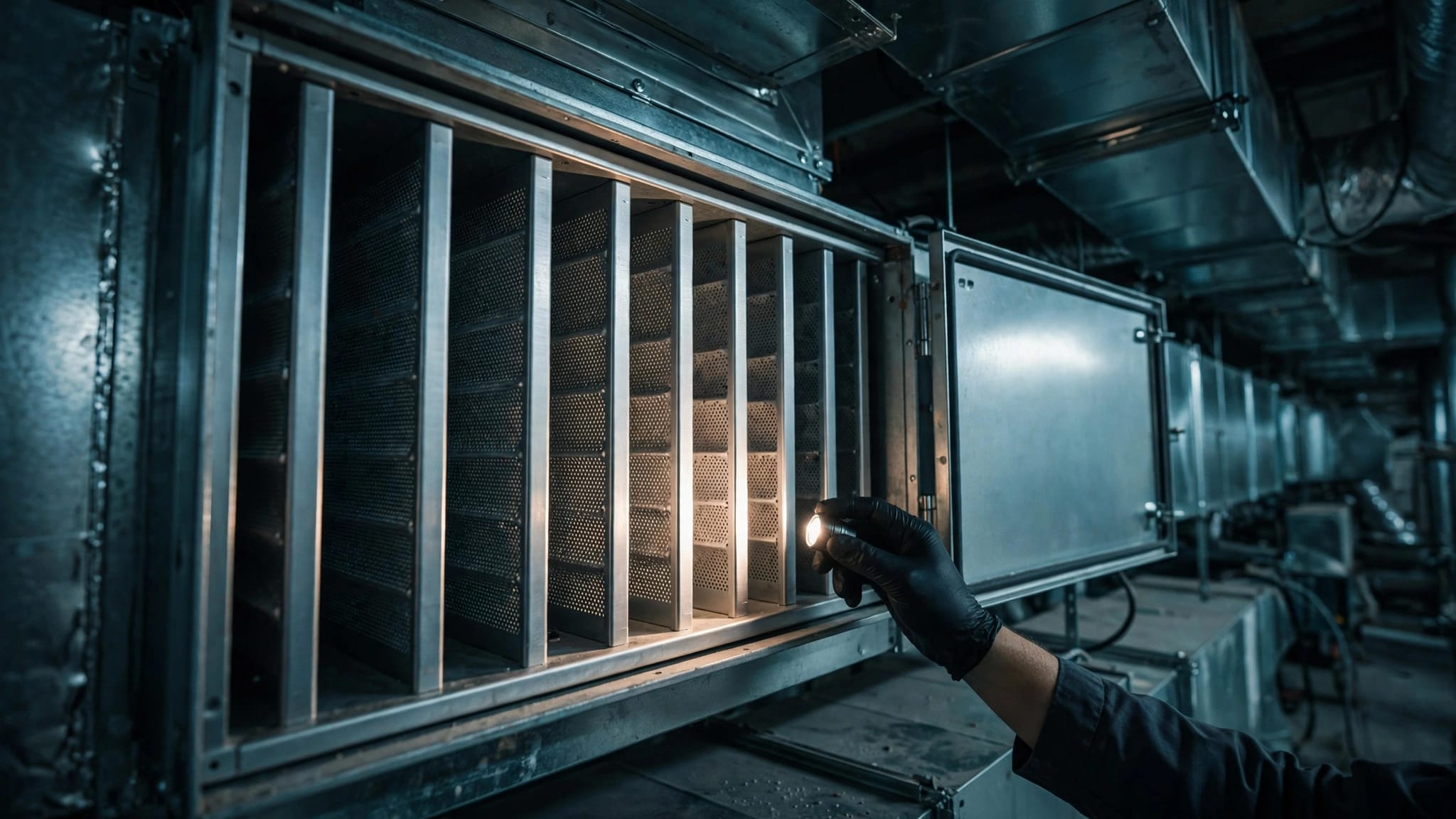
HVAC cleaning may include accessible supply and return pathways, registers, grilles, and selected air-handler components, depending on the system and service scope. A proper inspection should explain what the technician found and which areas are included.
Dust on a vent cover alone doesn't prove the entire duct system needs cleaning. The condition inside the system, the filter, moisture history, and visible debris matter more.
Ask for a clear scope before booking. It should separate cleaning from repairs, moisture diagnosis, and any treatment recommendation.
When Duct Cleaning Should Come First
Choose HVAC inspection and possible duct cleaning first when there is a reason to believe the system is spreading debris or holding contamination. Florida's long cooling season can keep dust and moisture moving through equipment for much of the year.
The priority is to remove confirmed debris and correct any underlying problem before refreshing room surfaces.
Post-renovation dust, pests, and heavy debris
Drywall work, flooring removal, sanding, and other remodeling projects can leave fine dust throughout a house. If construction debris reached the return system or settled in registers, inspect the HVAC system before scheduling carpet cleaning.
Pest droppings, nesting material, or insect activity in ducts also require more than a vent-cover wipe. The entry point may need repair, and the affected area needs a professional assessment.
Persistent system odors and dirty supply vents
A stale or musty odor that appears when the AC starts deserves inspection. It may come from dust, damp insulation, a dirty coil area, a drain issue, or another moisture source. An odor alone doesn't prove mold inside the ductwork.
Likewise, dark marks near a register aren't a diagnosis. A technician should distinguish loose dirt, staining, damaged materials, and suspected microbial growth before recommending cleaning or treatment.

Florida Moisture Can Change the Cleaning Order
Humidity changes the carpet vs duct cleaning decision because moisture can affect both flooring and HVAC equipment. Yet duct cleaning does not fix a wet air handler, a clogged condensate line, damaged duct insulation, or water entering from elsewhere in the home.
Find and correct active moisture before committing to cleaning.
Inspect the air handler and condensate area
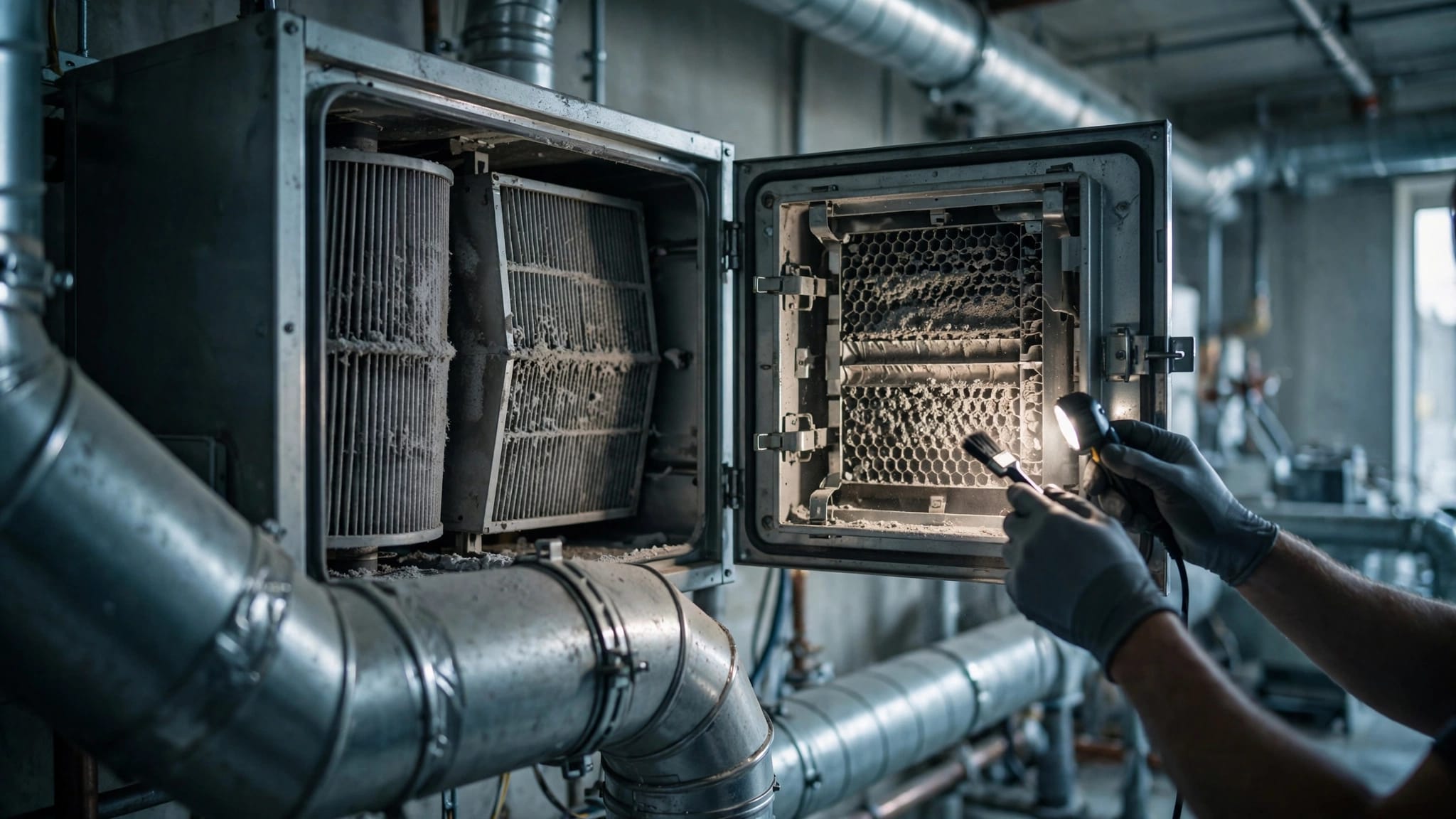
Florida air handlers often run for long stretches. Check around the unit for standing water, staining, damp insulation, a clogged drain line, or a persistent musty odor. The evaporator coil area, drain pan, filter cabinet, and nearby duct connections may all need review.
If the trouble starts at the indoor unit, address that component first. This guide to air handler cleaning versus duct cleaning can help clarify which HVAC area needs attention.
Repair and dry before cleaning
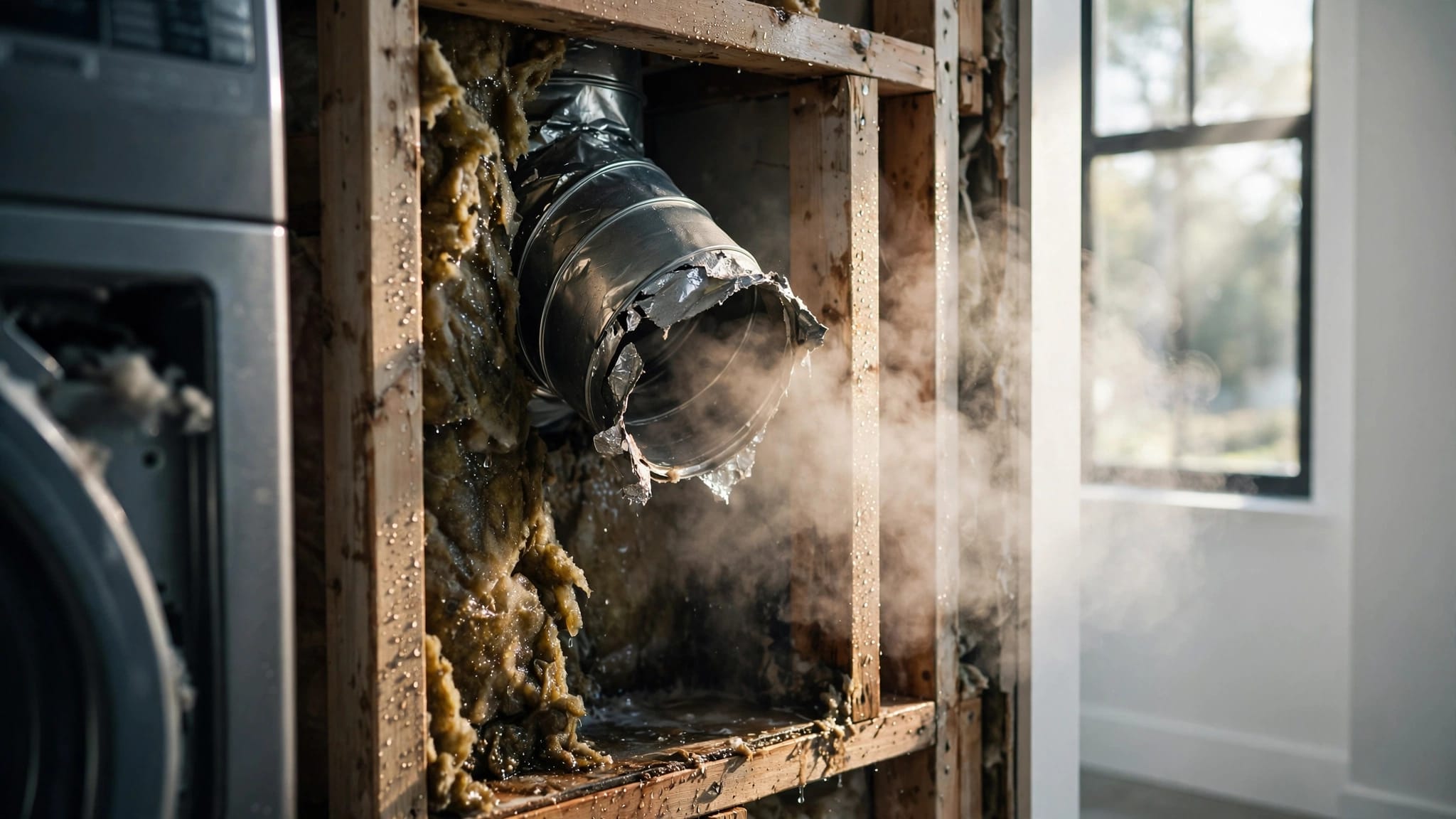
A leaking roof, plumbing line, condensate drain, or poorly insulated duct can keep adding moisture after a cleaning visit. Cleaning first may remove dust, but it won't prevent damp conditions from returning.
In crawl spaces, attics, garages, and tight HVAC closets, inspect damaged insulation and duct material carefully. Sagging, wet, or deteriorated material may need repair or replacement rather than aggressive cleaning.

When Both the Ducts and Carpets Need Service
Many homes need attention in both places after a renovation, storm-related water issue, pest problem, or extended vacancy. The right sequence protects the finished carpet cleaning from work performed around registers and HVAC access points.
For a confirmed HVAC issue, use this order:
- Fix leaks, drainage problems, damaged insulation, or other active moisture sources.
- Inspect and clean the air handler or ductwork when the findings support service.
- Clean the carpets after HVAC work and related repairs are complete.
Schedule a combined plan when evidence supports it
If an inspection finds dust in the air handler and connected ducts, cleaning both areas during one coordinated visit can make sense. If only the air handler is affected, duct cleaning may not be necessary.
Ask the provider to identify the affected components, access requirements, cleaning method, and expected final cleanup. What to expect during Florida air duct cleaning includes the details homeowners should discuss before service.
Protect carpet during HVAC work
Move small furnishings away from supply and return grilles before the appointment. Clear a path to the air handler, attic access, crawl-space entry, or mechanical closet. Tell the technician about fragile flooring, recently installed carpet, or areas that stay damp.
Once the HVAC work is finished, carpet cleaning can remove the everyday soil that remains in the room. That sequence keeps each service focused on its own job.
Dryer Vent Cleaning Is a Separate Decision
A dryer vent isn't part of the AC duct system. It carries hot, moist air and lint outdoors, while HVAC ducts circulate cooled indoor air through the home. Each system needs different equipment and cleaning methods.
Don't assume an air duct appointment includes dryer vent work unless the estimate says so.
Watch for laundry-area warning signs
Longer drying cycles, a hot laundry room, damp air around the dryer, and visible lint near the exterior vent opening are reasons to inspect the dryer exhaust path. Florida humidity can make damp lint and debris more likely to hold odor.
A clean dryer vent supports proper exhaust flow, but it doesn't clean HVAC ducts or correct indoor humidity throughout the home.
Ask for the right scope of service
If the dryer vent route is long, curved, hidden in a wall, or exits through the roof, it may need a more detailed inspection. Ask whether the technician will inspect the full path and check the exterior termination.
Learn more about the Florida dryer vent cleaning process before scheduling both services on the same visit.
Key Takeaways for Florida Homeowners
The quickest decision guide is simple:
- Clean ducts first when inspection shows meaningful HVAC debris, pest activity, post-renovation contamination, or moisture-related concerns.
- Clean carpets first when the issue is limited to stains, soil, or odor in otherwise dry flooring and a well-maintained HVAC system.
- Fix water intrusion, drainage trouble, damp insulation, and active leaks before any cleaning plan.
- Treat dryer vent cleaning as a separate home-maintenance service.
- Ask for findings and a written scope instead of booking duct cleaning on a calendar alone.
For homes with no HVAC warning signs, a clean filter and normal-looking vents may mean carpet cleaning is the only service needed. For new owners, whether to clean ducts after buying a Florida home depends on the home's condition, not the closing date.
Frequently Asked Questions
Should I always clean ducts before cleaning carpets?
No. Duct cleaning should come first only when there is a clear reason to inspect or clean the HVAC system. If the home has normal vents, proper filter care, no persistent odors, and no moisture concerns, carpet cleaning can stand on its own.
When ducts do need service, cleaning them before carpets is usually the practical order.
Can carpet cleaning remove a musty smell from the AC?
Carpet cleaning can remove odors trapped in carpet fibers, but it can't correct an odor that begins in the HVAC system. A smell that appears when the AC runs may involve the air handler, drain pan, coil area, damp insulation, or ductwork.
Inspect the source before treating the carpet as the cause.
Does Florida humidity mean I need duct cleaning?
No. Humidity alone doesn't mean your ducts are dirty. It does mean recurring condensation, wet insulation, staining, or musty odors deserve a closer look.
A qualified inspection should identify whether the issue is dust, a repair need, moisture intrusion, or another concern. If you need help sorting out the scope, Get a Free Estimate for air duct or dryer vent cleaning.
Choose the Order Based on Evidence
For most homes with a verified HVAC concern, duct cleaning first and carpet cleaning afterward is the sensible sequence. However, surface-only carpet problems don't automatically justify duct service.
The strongest approach is evidence-based cleaning . Address moisture and repairs first, clean the affected system or surface next, then maintain filters, drainage, and dryer ventilation so the same issues don't keep returning.