Air Duct Cleaning With an Electronic Air Cleaner
An electronic air cleaner can capture particles before air moves through your home, but it also adds delicate components to the HVAC system. That changes how you should approach air duct cleaning , filter care, and routine maintenance.
The safest plan starts with an inspection. A technician should identify whether the concern is inside the ductwork, within the air cleaner, at the air handler, or somewhere else entirely. Before booking service, learn what you can safely remove, what must stay dry, and when professional help is the better choice.
Before You Clean Around an Electronic Air Cleaner
Electronic air cleaners commonly include a prefilter and one or more collector cells. These parts may collect dust, pet hair, and other particles, but they also contain electrical contacts and surfaces that can be damaged by rough handling, incorrect chemicals, or premature reinstallation.
Turn off power before servicing
Turn off power before opening, removing, or cleaning electronic air cleaner components. Follow the shutdown procedure in the manufacturer's instructions. Those instructions take priority over general advice because designs differ between systems.
Do not open electrical compartments, handle wiring, or reach into the equipment while power remains connected. Turning the thermostat off may not complete the required shutdown procedure. If you can't confirm that the unit is safely de-energized, stop and call a qualified HVAC professional.
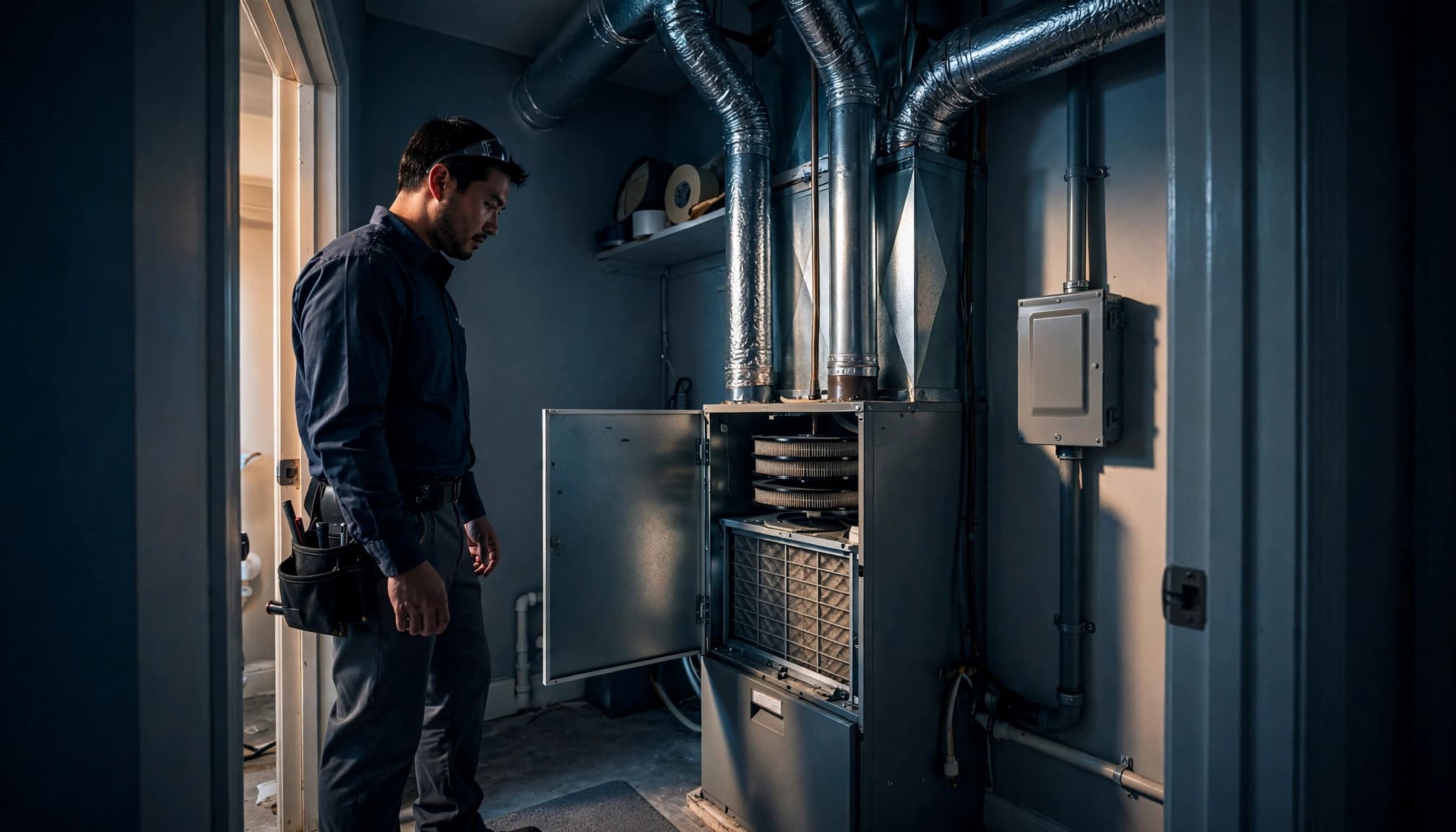
Inspect before choosing a cleaning method
Look for the model information and locate the manufacturer's care instructions before removing anything. Some prefilters and collector cells are designed for homeowner cleaning. Others may require a particular detergent, water temperature, orientation, or replacement schedule.
Never spray bleach, harsh coil cleaner, or an unknown product onto an electronic air cleaner. Excess water can reach electrical areas, while aggressive brushing can bend plates, damage wires, or affect the component's operation.
Duct cleaning is a separate decision. The EPA doesn't recommend routine duct cleaning for every home on a fixed schedule. Visible contamination, pest activity, renovation debris, or excessive dust inside accessible ductwork are stronger reasons to arrange an inspection.
What to Check Before Booking Air Duct Cleaning
A dirty filter and contaminated ductwork create different problems. Filter replacement protects the HVAC system from incoming particles, while duct cleaning addresses loose material already inside accessible ducts or HVAC components.
Check filters, airflow, odors, and visible debris
Start with the filter serving the system. Confirm that it fits correctly and isn't loaded with dust. Weak airflow can have several causes, including a restrictive filter, a crushed duct, a dirty coil, a blower problem, or a disconnected return connection.
Dust around a register doesn't always prove that the entire duct system needs cleaning. However, repeated dust puffing from supply vents, dark buildup inside registers, or debris that returns soon after cleaning deserves closer inspection.
A musty or smoky odor also needs investigation. Duct cleaning may remove some loose residue, but it won't remove odor that has soaked into drywall, flooring, furniture, curtains, or insulation.
For Florida homes, MERV 8 is often a reasonable starting point. MERV 11 or MERV 13 may suit a system that supports the added resistance. If airflow already feels weak, have the equipment checked before choosing a denser filter. This guide to choosing the right MERV rating can help you compare options.
Look for a clear reason to clean the ducts
Cleaning is more defensible when you can connect it to a specific condition, such as:
- Dust and loose debris visible inside accessible duct sections or return plenums.
- Construction residue after remodeling or major HVAC work.
- Pest droppings, nesting material, or evidence that animals entered the system.
- Suspected microbial growth associated with a moisture problem.
- Persistent debris blowing from registers despite proper filter maintenance.
The source still matters. Cleaning won't repair a leaking return, correct excessive humidity, replace damaged insulation, or remove hazardous material. If you see wet insulation, significant mold growth, nesting, exposed wiring, or deteriorated duct liner, pause the job until the right professional evaluates the condition.
Decide whether you need registers or the full system
Cleaning a few visible registers is not the same as cleaning the accessible supply ducts, return ducts, trunks, grilles, and HVAC areas. A full-system inspection should consider duct construction, insulation, access points, filters, registers, return connections, and visible equipment.
The right scope depends on the evidence. You can review when to clean air ducts versus replace filters before deciding whether filter maintenance or a larger service fits the problem.
Cleaning Prefilters and Collector Cells
Remove a prefilter or collector cell only when the manufacturer's instructions allow homeowner cleaning and you can identify the component correctly. Take note of its position and orientation before removal. Some systems have directional markings or specific reinstallation requirements.
Wash only approved removable parts
If the manual permits washing, use only the method and product it specifies. Keep electrical connectors, control boards, insulators, and wiring away from water. Do not force stuck components or bend the plates inside a collector cell.
A household vacuum may remove loose surface dust from a prefilter when the manual allows it. It isn't a substitute for professional duct-cleaning equipment, and it should not be pushed into flexible or lined ductwork.
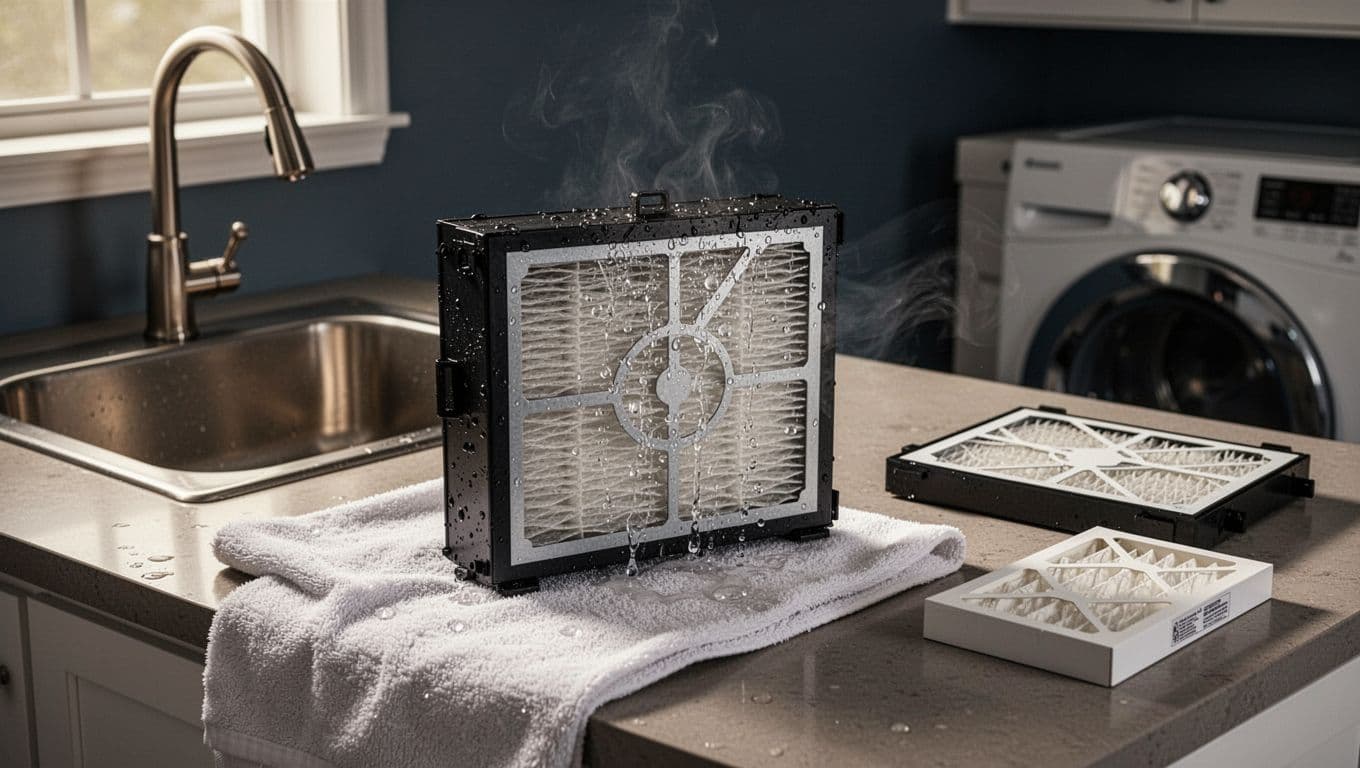
Dry every part completely before reinstalling
A washed component must dry completely before it goes back into the air cleaner. Residual moisture can affect electrical areas and may damage the equipment when power is restored. Place parts where air can reach all sides, and follow the manufacturer's drying guidance.
Never reinstall a damp collector cell because the system appears dry on the outside. If contacts are corroded, plates are bent, wires are loose, or the cell doesn't slide into place normally, stop and arrange professional service.
Improper cleaning can damage electronic air cleaner components. Replacement parts may be costly, and a damaged cell may leave the system unable to operate as intended. When the instructions are missing or unclear, professional help is safer than guesswork.
How Professionals Approach Air Duct Cleaning
A qualified crew should inspect the system before connecting equipment. The technician should identify accessible duct sections, fragile materials, insulation concerns, access points, and the location of the electronic air cleaner.
Professional source removal generally uses controlled negative pressure with suitable agitation tools. Air whips, compressed air, or brushes may loosen settled debris while collection equipment pulls it toward a contained vacuum. The method should match the duct material and condition.
Flexible ducts and lined ductwork need gentler handling. Aggressive tools can tear the inner liner, collapse a section, or loosen a connection. A careful provider should explain which sections are reachable and which areas cannot be cleaned without damaging finished surfaces or the duct system.
Confirm what the service includes
A quote labeled "whole house" may not automatically include the coil, blower compartment, drain pan, plenum, or electronic air cleaner components. Ask for each included area in writing.
A complete service may address supply branches, return branches, trunks, registers, grilles, and accessible air-handler areas. Coil cleaning, electrical work, repairs, microbial treatments, UV lights, and air purification systems may be separate services.
The crew should protect floors, furniture, walls, and equipment. Afterward, ask the technician to confirm that access panels are secure and that removed grilles and registers have been reinstalled. You can compare full-system air duct inspection with register-only service before approving a scope.
Keep HVAC Ducts and Dryer Vents Separate
An HVAC duct circulates conditioned air through the home. A dryer vent carries hot, moist air and lint outdoors. They are separate systems with different cleaning methods and safety concerns.
Long drying cycles, excessive heat, lint around the dryer connection, or a weak exterior flap can point to a restricted dryer vent. Cleaning the HVAC system won't remove lint from that exhaust line, and dryer vent cleaning won't resolve a dirty coil, return duct, or electronic air cleaner.
This distinction matters when comparing service estimates. Review guidance on dryer vent cleaning versus HVAC duct cleaning if both concerns are present in your home.
Questions to Ask About the Estimate
A clear estimate helps you avoid paying for work that doesn't address the actual problem. Before scheduling, ask what the technician inspected and what the price covers.
Ask about equipment, containment, and access
Questions worth asking include:
- Will the crew use controlled negative pressure and collection equipment?
- Which supply ducts, return ducts, registers, and HVAC components are included?
- How will floors, furniture, and access openings be protected?
- Can the technician show accessible areas before and after cleaning?
- What happens if the crew finds wet insulation, pests, damaged liner, or suspected hazardous material?
- Will the electronic air cleaner be serviced, or is that excluded from the duct-cleaning price?
A provider should explain limitations honestly. No method can clean a sealed section that equipment cannot reach. Access holes may be appropriate in some rigid ductwork, but cutting blindly into insulated flex duct or finished ceilings can create new damage.
Treat add-ons as separate decisions
Sanitizers, microbial treatments, odor products, UV lights, and air purification equipment should not replace physical dust removal or repairs. A treatment also won't correct an active moisture source or a leaking duct.
Ask why an add-on is recommended, what evidence supports it, and whether the price is separate. This guide on what to look for in a duct cleaning quote can help you review the scope.
If visible contamination, dust, or odor remains a concern after basic filter care, you can Get a Free Estimate for air duct or dryer vent cleaning.
FAQ About Air Duct Cleaning and Electronic Air Cleaners
Can I clean the electronic air cleaner myself?
Sometimes. Homeowner cleaning is appropriate only when the manufacturer's instructions permit it and you can safely shut off power. Follow the specified method for removing, washing, drying, and reinstalling the prefilter or collector cell. Call a professional if components are damaged, stuck, wet inside, or difficult to identify.
Does duct cleaning remove every allergy trigger?
No. It can remove loose dust, pet dander, renovation debris, and other settled material from accessible parts of a contaminated HVAC system. It doesn't remove every airborne particle or cure allergies and respiratory conditions.
Indoor air quality also depends on filtration, humidity, pets, smoking, cleaning habits, outdoor air, and HVAC condition. The practical goal is to match cleaning to confirmed contamination rather than expect one service to solve every indoor air concern. Read more about air duct cleaning and indoor air quality.
Should the electronic air cleaner be removed during duct cleaning?
Not automatically. The technician should inspect the equipment and follow the manufacturer's requirements. Some removable parts may be cleaned separately, while electrical areas and delicate components should remain untouched unless a qualified professional handles them.
Make the Cleaning Fit the Real Problem
An electronic air cleaner doesn't eliminate the need for filter care or careful HVAC inspection. It adds components that require power-off procedures, manufacturer-approved cleaning, complete drying, and gentle handling.
The best air duct cleaning decision follows evidence: visible debris, renovation dust, pest contamination, moisture-related concerns, or persistent material leaving the registers. When the scope is clear and the equipment is treated carefully, cleaning can address settled contamination without promising a cure for every air-quality problem.