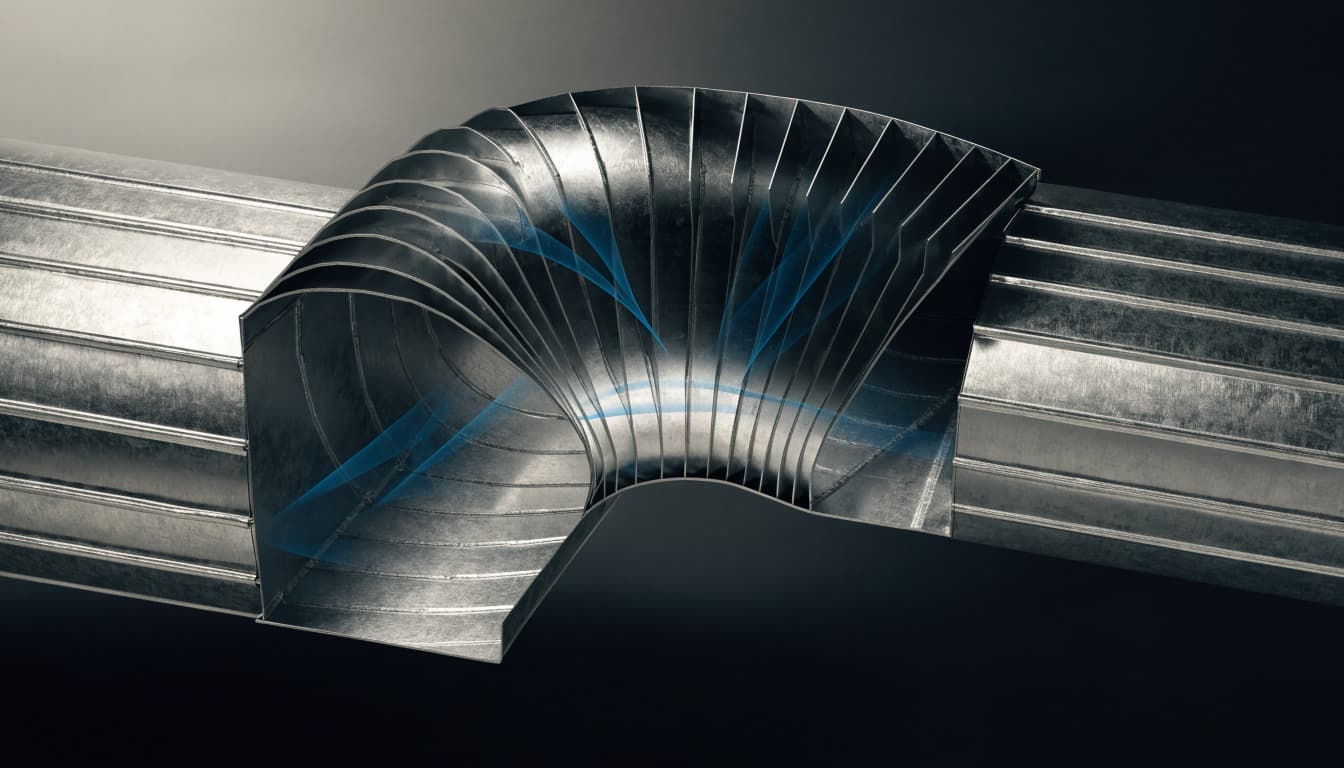

Do HVAC Turning Vanes Need Attention During Duct Service?
Yes, HVAC turning vanes deserve attention during duct service when they're accessible. These small components sit inside some duct bends, where they guide air through a change in direction. A technician who inspects the surrounding ductwork can also look for buildup or damage around them.
For homeowners, the important distinction is that inspection and cleaning are separate from repair . A duct-cleaning visit can reveal a concern, but a damaged duct or fitting may need an HVAC contractor's attention. Understanding where vanes are located helps you discuss the right service.
What Turning Vanes Do Inside a Duct
Turning vanes are curved pieces of metal installed inside some duct elbows. They help guide air around a sharp bend instead of leaving it to make the turn without guidance. This can reduce turbulence and resistance at the fitting.
You'll most often find them in rectangular sheet-metal ductwork, including larger trunk lines in homes and commercial buildings. They're not present in every HVAC system. Many residential systems use round or flexible ducts, which may have a different layout.
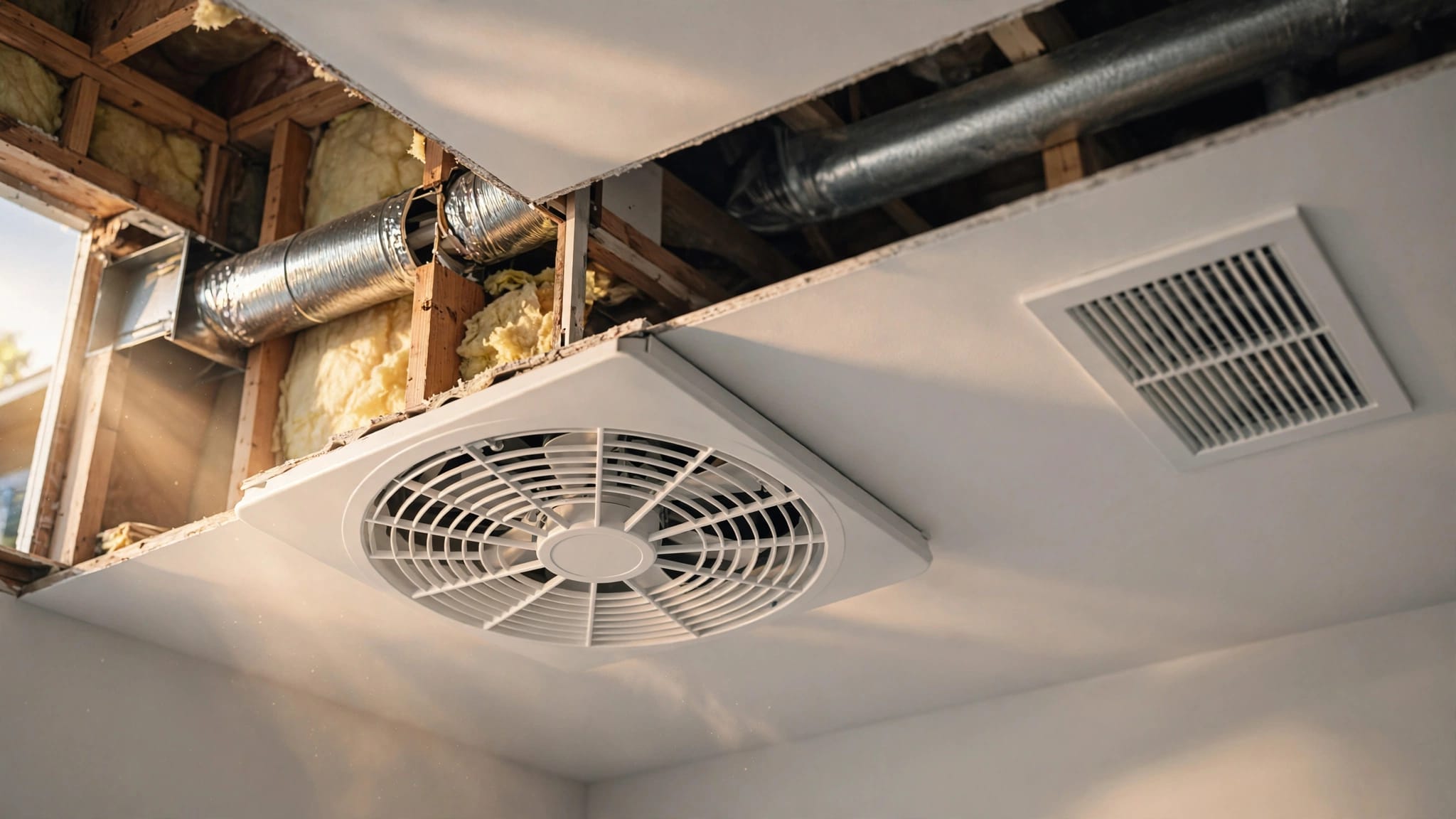
Because vanes sit inside a fitting, you usually can't see them by looking through a room's register. A technician may need an existing access opening or another suitable view into the duct to inspect them.
What Technicians Should Look For
An inspection starts with the condition of the accessible ductwork. If a bend contains turning vanes, the technician can look at the surfaces and attachments visible from the access point. A camera or photographs may help show areas you can't see yourself.
Dust, debris, and moisture
Dust or renovation debris can collect inside ductwork, including around bends. A technician should note visible buildup and consider whether it extends into connected ducts or the air handler.
Moisture deserves separate attention. Rust, wet insulation, or a musty odor can point to a leak or condensation issue. Cleaning may remove debris, but the moisture source also needs attention. Visible discoloration alone doesn't identify mold.
Loose or damaged components
The technician should also look for bent or loose vanes, damaged duct seams, and insulation that appears torn or deteriorated. Rattling near a duct bend is worth mentioning before the appointment, although the sound doesn't prove a vane is responsible.
Weak airflow also has several possible causes. A loaded filter, crushed flexible duct, dirty coil, or blower problem can affect air delivery. A broader HVAC inspection and duct-cleaning discussion can help separate those concerns.
When Duct Cleaning May Be Appropriate
Cleaning is worth considering when an inspection finds substantial debris inside accessible ductwork. Renovation dust, material entering through a damaged register, and debris associated with pest activity can all warrant a closer look.
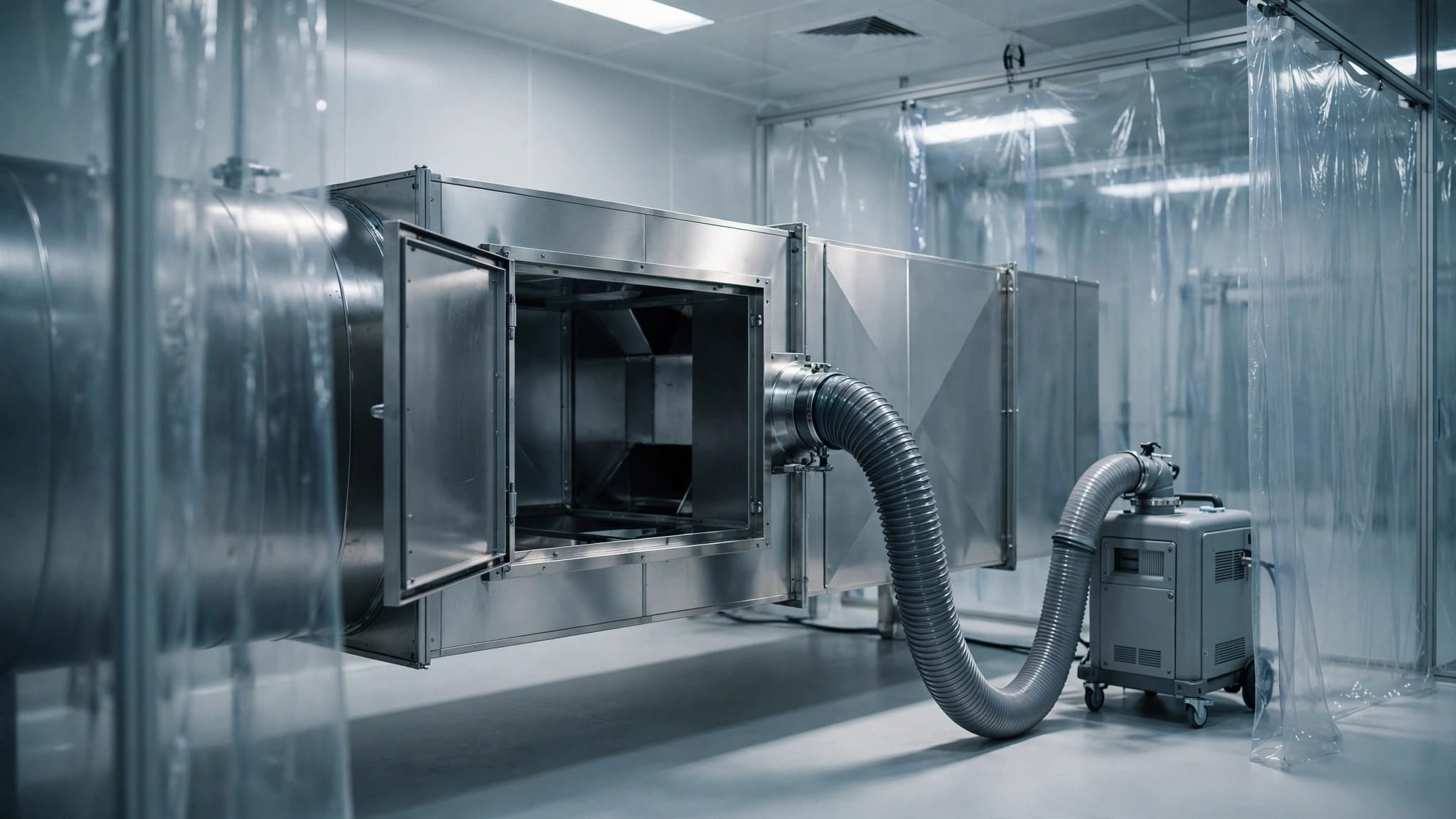
Professional cleaning generally uses a vacuum to place duct sections under negative pressure. Technicians then loosen material with tools suited to the duct surface, so the vacuum can collect it. The negative-pressure duct cleaning process depends on the system's layout and materials.
Access matters around bends. A technician should explain any area they can't reach or inspect, rather than imply that every hidden surface was addressed. Flexible duct liners and damaged insulation also require care because aggressive agitation can cause further damage.
Routine cleaning isn't always the answer. An active pest problem needs to be addressed, while heavily contaminated porous material may require a different scope of work.
When Ductwork Needs More Than Cleaning
A vacuum can't reconnect a separated duct or restore wet insulation. If the inspection reveals damage, the appropriate next step depends on the material and the cause.
Repairs for leaks and loose connections
A loose duct connection or damaged seam may need an HVAC contractor to secure and seal it. If a technician sees a damaged vane or fitting, an HVAC contractor can evaluate its condition. A duct-cleaning estimate shouldn't be assumed to include that work.
Airflow complaints may also call for an equipment inspection. Cleaning debris from the ducts won't fix a failing blower or a restriction elsewhere in the system.
Replacement for damaged materials
Some duct materials can't be restored by ordinary cleaning. For example, torn flexible duct or insulation that has absorbed significant contamination may need replacement. Wet material also calls for attention to the leak or condensation that caused it.
If old duct wrap or tape looks suspicious and may contain asbestos, stop work around it. A qualified asbestos professional should assess the material before anyone disturbs it.
Know What's Included in Your Service
A full duct-cleaning scope can include supply and return ducts, registers, and accessible portions of the air handler. However, components such as coils or drain pans may require separate access or service. Our explanation of full-system duct cleaning describes how the scope differs from cleaning visible registers alone.
Turning-vane inspection or repair isn't automatically included in every duct service. Before work begins, tell the technician about rattling, weak airflow, water damage, or renovation dust. Those details help them identify areas that may need attention.
Afterward, the technician should explain what was accessible and describe any damage or limitations. Photos can help document a concern inside a duct, especially when a separate HVAC repair is recommended.
Give Duct Bends the Attention They Need
Turning vanes help air move through some duct bends, so their condition is worth considering during an accessible inspection. Dust calls for a different response than loose components or water damage.
A clear service scope helps you understand what cleaning can address and when another contractor may be needed. For help with air duct cleaning, you can Get a Free Estimate from Adkins Duct Cleaning.