How to Clean Textile HVAC Ducts Without Damage
Textile duct cleaning starts with identifying the fabric and choosing a method suited to its construction and condition. Gentle handling matters because strong suction, abrasion, and excess moisture can damage a duct that distributes conditioned air through a building.
Unlike rigid metal ductwork, fabric can stretch or tear at seams and attachment points. The safest approach is material-first cleaning , with the system shut down and a plan for drying and reinstallation.
Identify the textile duct material first
Textile ducts are often visible in commercial spaces, where they distribute supply air through fabric surfaces or openings. They're different from flexible ducts hidden above ceilings or in attics, even though both require careful handling.
Start with the identification label or maintenance records. Record the manufacturer, product name, and any stated fabric construction or care method. A fabric duct may also have coated surfaces, openings, zippers, or fittings that affect how it can be handled.
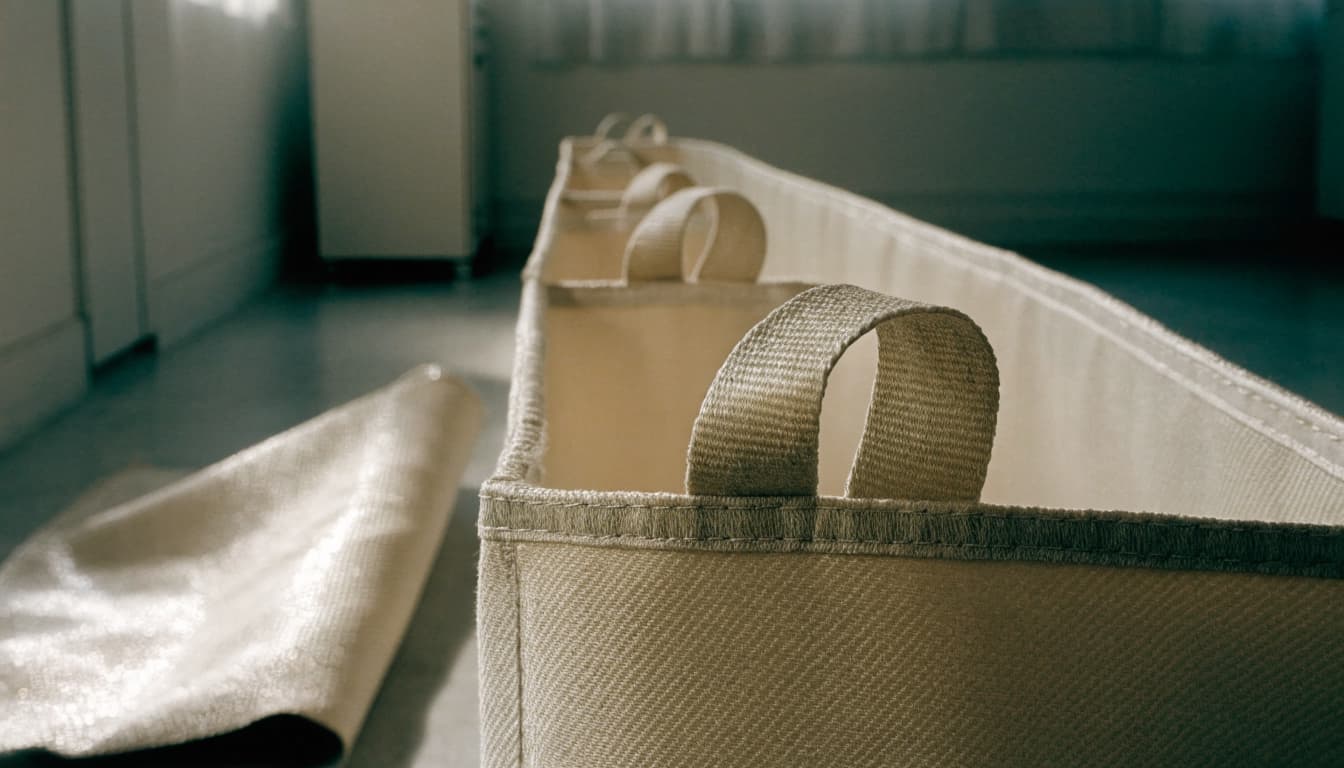
Look at the fabric and attachments
Inspect accessible areas for loose stitching, frayed edges, stretched openings, and tears. Pay attention to the connection at the supply fitting and to the loops or other components that support the duct.
Photographs taken before removal can help document the original layout and any existing damage. If the fabric looks brittle or the seams are pulling apart, stop before cleaning puts more stress on it.
Identify the contamination
Dry surface dust calls for a different response than water damage, soot, or pest debris. Look for staining, a musty odor, or signs that moisture has reached the fabric or nearby equipment.
If the material or suitable cleaning method is unknown, don't guess. Leave the duct undisturbed until a qualified professional can assess it.
Prepare the system and work area
Shut down the affected air-handling system before handling or removing the duct. Prevent it from restarting during the work, and follow the building's safety procedures for the equipment. A technician should handle electrical isolation when needed.
Clear the area below the duct and protect furnishings or equipment that could collect falling dust. If the duct is overhead, use appropriate access equipment rather than pulling it down from the floor. Schedule enough time for cleaning, drying, and reinstallation before the space needs conditioned air again.
Before disconnecting anything, note how the sections join and how the fabric hangs. Mark section positions in a way that won't damage the material or leave residue. Keep removable hardware together so it doesn't get lost or mixed with parts from another run.
Also inspect the accessible air handler, filter area, and connected ductwork for debris or moisture. Cleaning the fabric alone won't address a dirty component upstream. Our comparison of register cleaning and full-system service explains why the service scope matters.
Choose low-impact tools for textile duct cleaning
The right tools remove loose material without pulling, scraping, or saturating the fabric. Their suitability still depends on the duct's construction and condition.
Use controlled collection for loose dust
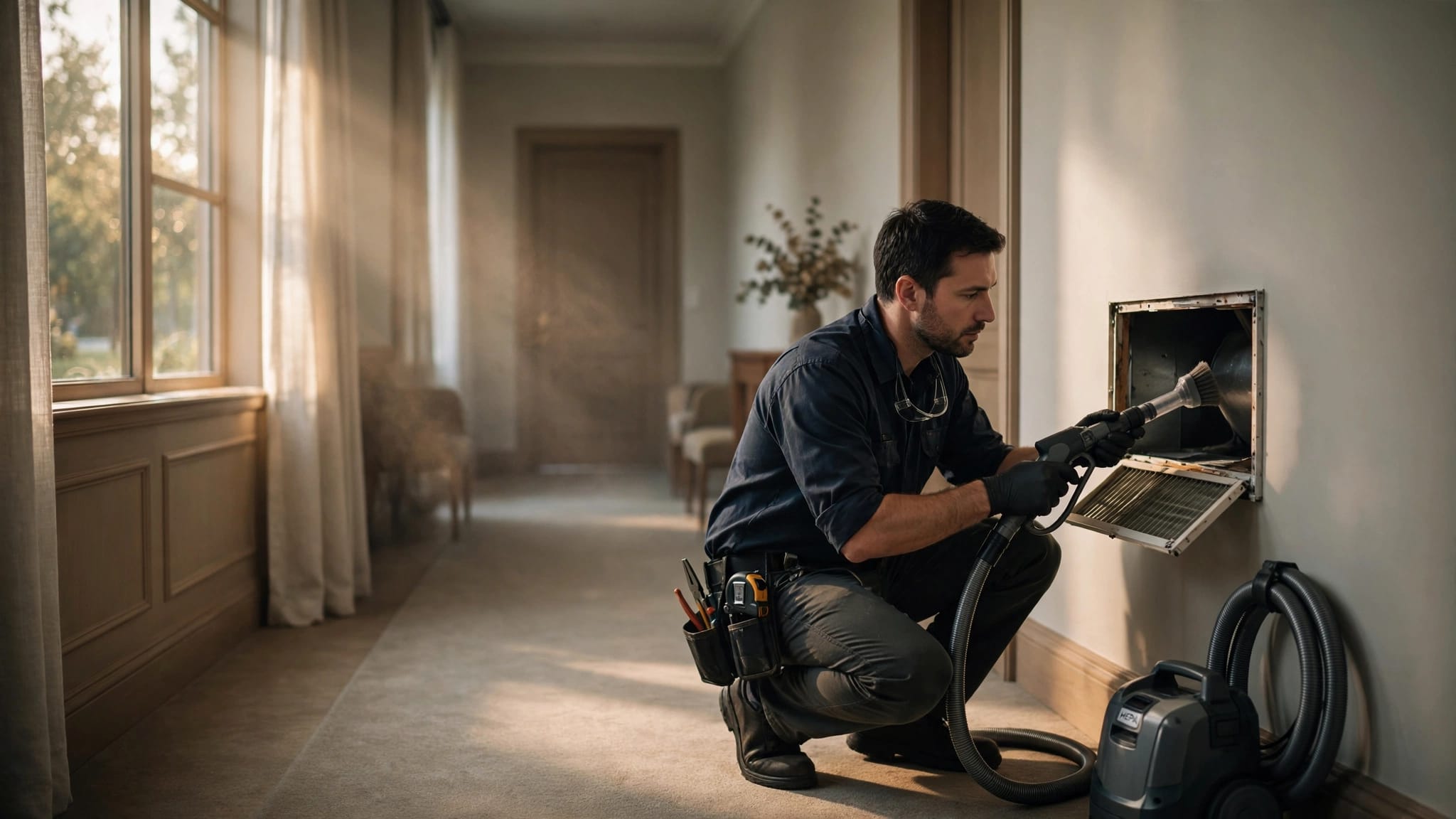
For an accessible surface approved for dry cleaning, a clean, smooth vacuum attachment can collect loose dust without scraping the fabric. Keep the attachment moving gently and support the material where needed.
Avoid sealing the nozzle against the duct. Excessive suction can pull fabric into an attachment, stretch an opening, or strain a weak seam. If the material deforms or catches, stop and change the approach rather than pulling harder.
Keep aggressive equipment away from fabric
Rotary equipment, forceful air agitation, and stiff or rough contact surfaces can snag or abrade a textile duct. A method suitable for sheet metal isn't automatically suitable for fabric.
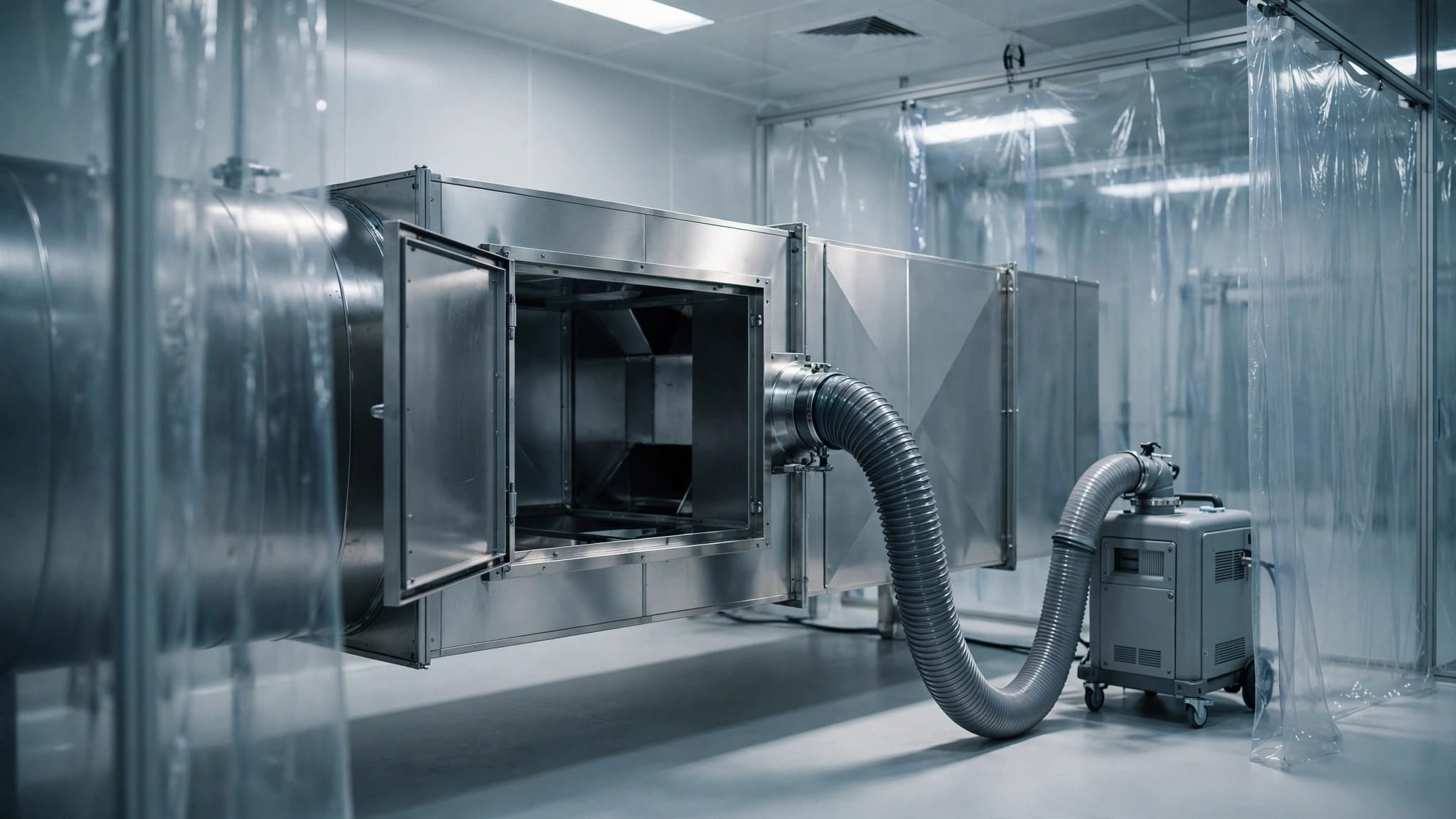
In conventional duct cleaning, controlled collection helps capture debris as it's loosened. Our explanation of how negative-pressure duct cleaning works describes that general process. Textile ducts require a separate material-specific approach, rather than the same equipment applied without adjustment.
Clean the exterior without stretching it
Begin with the least disruptive method approved for the duct. For light, dry dust on an accessible exterior, gentle collection can limit how much debris falls into the room.
Work along short sections while supporting the fabric. Keep the tool clear of loose threads, outlet openings, and attachment loops. If the duct moves toward the nozzle or a seam begins to pull, stop. The fabric should not carry the weight of the cleaning equipment.
Avoid rubbing a dirty spot repeatedly. Abrasion can weaken the surface or make an existing flaw larger. Shaking or beating the duct can also scatter dust through the space and place stress on its connections.
A visibly stained area may need a different treatment than loose dust. Don't apply a cleaning product simply to improve its appearance. The product and method must be suitable for that particular textile.
Clean the interior only when it can be reached safely
Dust inside a fabric duct may not be visible from the room. Interior cleaning requires access that doesn't damage the duct or spread debris into the occupied space.
Use existing openings
After shutdown, a removable connection or designed access opening may provide a route to the inside. Support the duct during access, and keep any tool away from zipper teeth, seams, and fabric edges.
Don't cut a new opening or force a long attachment through a section that resists it. If an area can't be reached safely, it can't be properly cleaned with that setup. Removing an approved section may provide better access, but removal itself needs to follow the duct's design.
Keep loosened material contained
A cleaning setup should collect dust rather than push it deeper into the system or release it into the room. Avoid blowing debris through the fabric or directing forceful air into openings.
Interior buildup may also point to a source upstream, such as accumulated debris in another accessible component. Cleaning that source is part of preventing the same material from returning to the fabric.
Handle wet cleaning with care
Some textile ducts may have a documented wet-cleaning method. Others may have construction or components that make a different approach appropriate. Use a wet process only when it is suitable for the identified duct and its contamination.
Uncontrolled moisture can leave fabric damp at seams, folds, and connections. It can also reach nearby insulation, electrical equipment, or building surfaces. For that reason, keep wet work away from the installed HVAC equipment and protect the surrounding area.
Harsh chemicals can damage fabric or leave unwanted residue. Spraying treatment into an installed duct is especially difficult to control. A treatment product also doesn't correct a leak or ongoing condensation.
If the duct has water damage or suspected microbial growth, pause routine cleaning. An inspection should identify the moisture source and determine whether the affected material can be restored or needs replacement.
Protect seams and suspension components
The fabric itself isn't the only part at risk. Seams, zippers, clips, cables, and mounting points can be damaged when a section hangs unsupported or gets pulled out of alignment.
Support the duct during removal
Release a removable section in a controlled sequence, supporting its weight as connections come free. Don't tug on a zipper, loop, or fabric edge to move the whole section. For a large or overhead duct, safe removal may require more than one person.
Keep the duct off rough surfaces and away from sharp hardware. If it must be folded for handling, avoid pulling tight folds across weakened areas.
Inspect connections before reassembly
Look again for new tears, loose stitches, damaged closures, or distorted attachment points after cleaning. Separate damaged components for repair or replacement instead of hiding the problem during reinstallation.
A clean section still needs sound supports. If hardware is missing or the connection no longer holds securely, the duct shouldn't return to service until the issue is corrected.
Dry completely before reinstalling
If an approved cleaning process introduces moisture, allow the entire duct to dry before it goes back into the system. That includes folded areas, seams, closures, and attachment points, which may remain damp after the exposed surface feels dry.
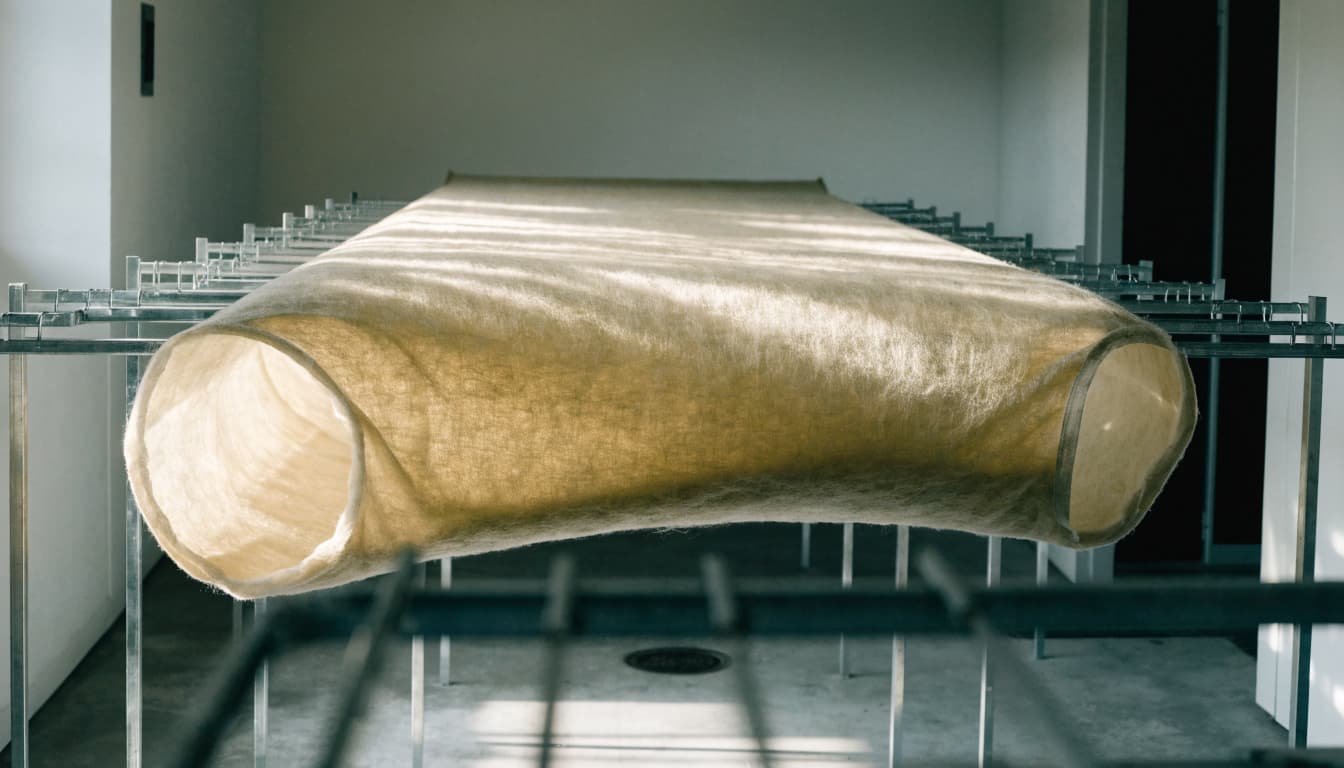
Use a clean drying area where the fabric can be supported without stretching or contacting dirty surfaces. The drying arrangement should fit the duct and the approved care method. Don't reinstall a damp section to save time.
Once dry, return each section to its recorded position. Reconnect its fittings and suspension components without twisting the fabric or pulling seams out of alignment. Close the designed access points and remove tools and protective coverings from the work area.
When the system restarts, observe the duct from a safe position. It should hang in its intended position, with connections secure. Stop the system if a section comes loose or shows an obvious problem.
Know when professional service is the safer choice
A small amount of accessible exterior dust may call for limited cleaning. A long overhead run, an inaccessible interior, or damaged fabric calls for a more involved assessment.
Stop work when you find wet material, significant staining, pest contamination, torn seams, or unsafe access conditions. Likewise, suspected hazardous material needs qualified handling rather than ordinary vacuuming. A cleaning service should identify what it can reach and what may need separate repair or replacement.
Cleaning can remove certain accumulated debris, but it won't fix a leak or eliminate every source of indoor air pollution. Our guide to what air duct cleaning can and cannot remove covers those limits.
At Adkins Duct Cleaning, we provide air duct cleaning services for homes and businesses along Florida's Gulf Coast. If your system needs an assessment, you can Get a Free Estimate for air duct cleaning.
Keep the duct clean and intact
Successful textile duct cleaning depends on the fabric's condition and a method that fits it. Gentle collection, supported handling, and complete drying help protect the duct throughout the job.
Address moisture or damage before returning the system to service. A clean fabric surface is useful only when the duct and its connections can continue doing their job.