Museum Duct Cleaning Without Disturbing Collections
Museum duct cleaning can remove debris from HVAC systems while protecting collections, but it requires coordination with conservators and facilities staff before work begins. The plan should control dust, limit vibration, and keep collection spaces within their established environmental conditions.
A clean duct isn't worth exposing an object to dust or a sudden change in humidity. Collection protection needs to guide the scope and sequence of the work.
Start with an inspection that connects the condition of the HVAC system to the needs of the galleries and storage spaces it serves.
Assess the HVAC System Before Cleaning
A dusty grille alone doesn't establish that the entire duct system needs cleaning. An inspection should identify where debris has collected and whether it could reach occupied spaces.
Look for construction dust, debris released through supply registers, pest activity, or contamination inside accessible ducts and air-handling components. A camera can help reveal conditions beyond an opening, although staining alone doesn't prove mold is present.
Facilities staff should identify each air handler and the galleries, storage rooms, and other spaces it serves. This matters because a work area may be physically distant from the objects affected by that system. Review available duct drawings alongside an on-site inspection, since building alterations may not appear on older plans.
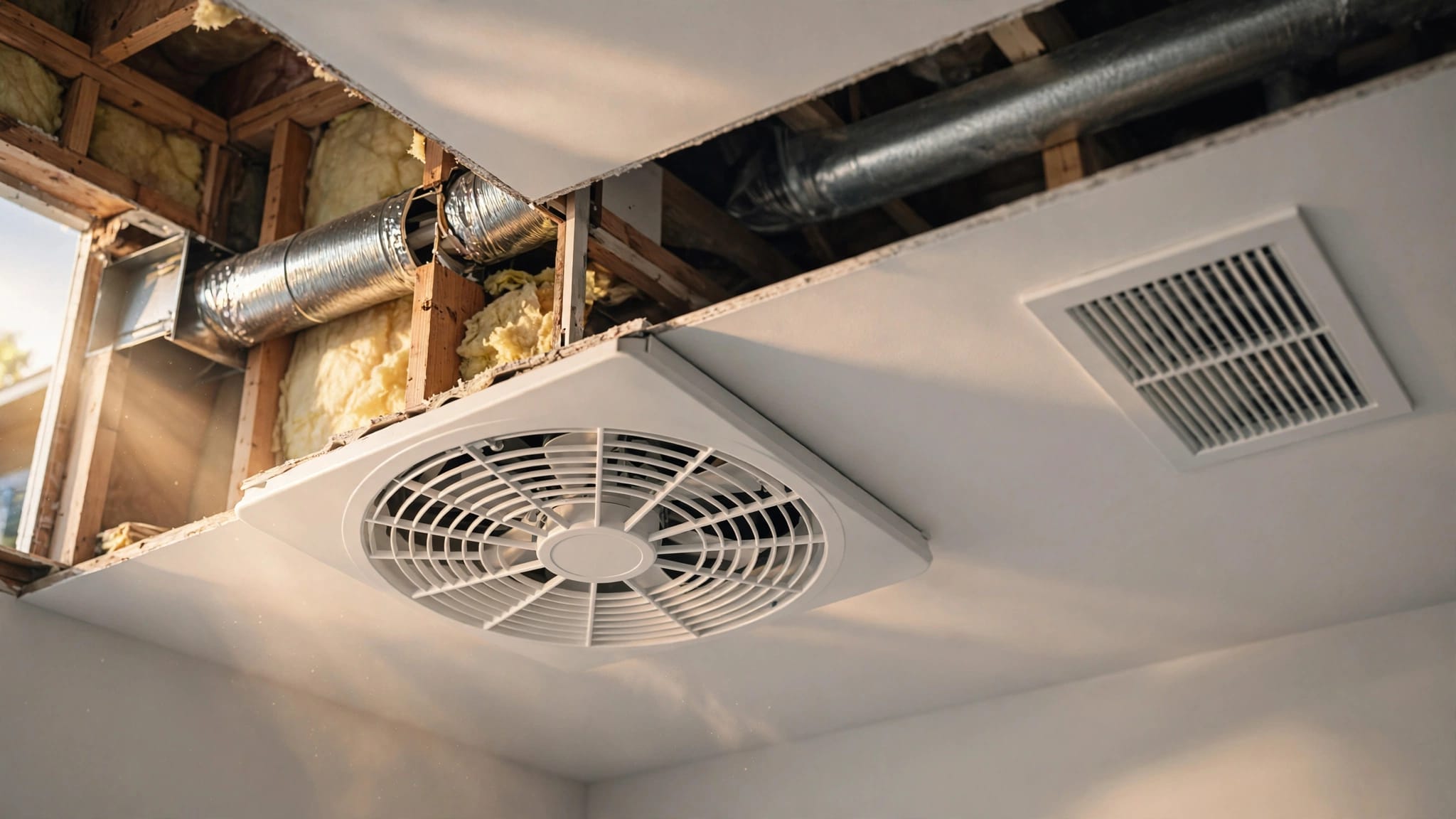
The assessment should also flag moisture, damaged insulation, disconnected ducts, and other conditions that cleaning won't repair. If a section is wet or deteriorated, it may need HVAC repair or replacement before cleaning can proceed. Addressing the cause first helps prevent the same material from collecting again.
Plan Cleaning Around the Collection
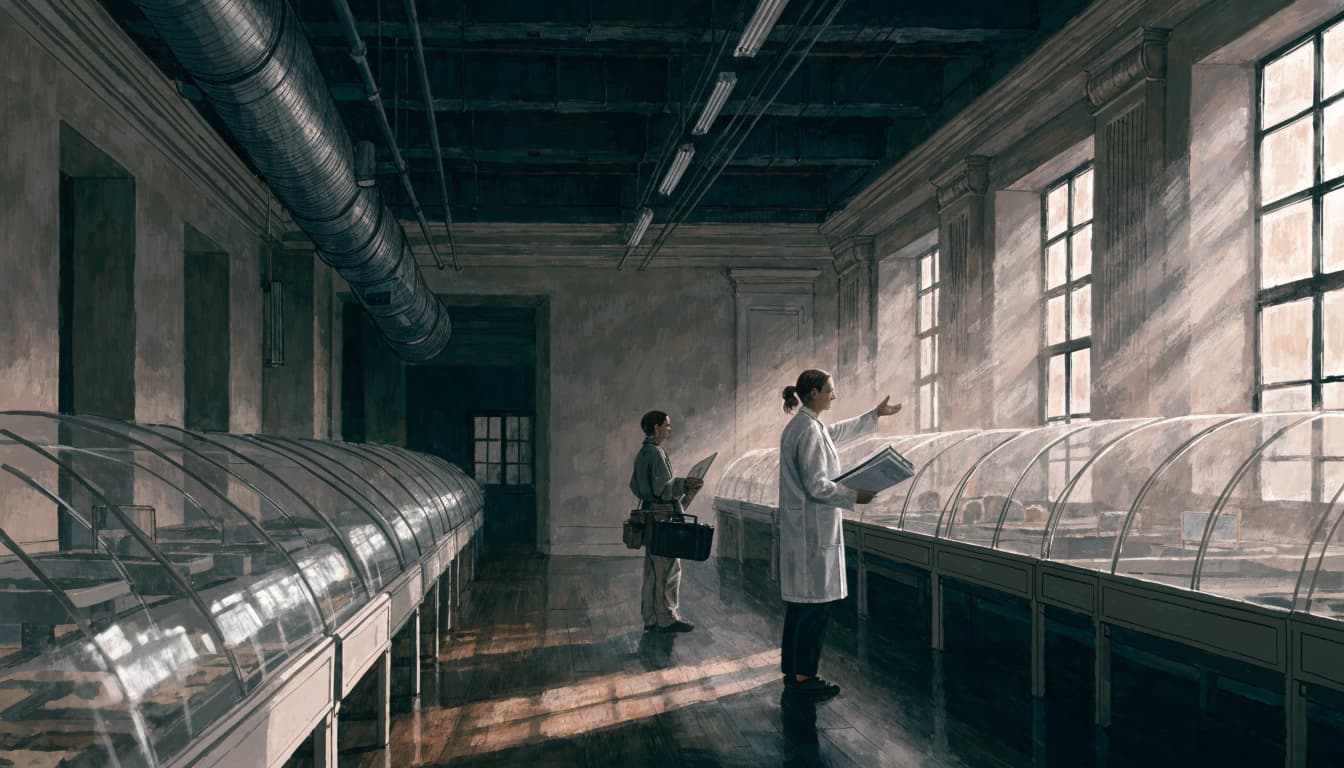
A useful plan brings the museum's conservator, facilities team, and cleaning contractor together before equipment enters collection areas. Each has information the others need: object sensitivities, system operation, and the access required for cleaning.
Identify Sensitive Spaces and Objects
The conservator can identify vulnerable materials near registers and work routes. Textiles, works on paper, loose archaeological materials, and fragile surfaces may need different protection than objects enclosed in sealed cases.
Discuss which objects can stay in place and which require relocation by authorized museum staff. Record existing conditions before work, especially where vibration or access near a display could be a concern. Cleaning technicians shouldn't handle collection objects or open cases unless the museum has assigned and approved that task.
Put the Scope in Writing
The work plan should identify the systems and duct sections included, intended access points, protection measures, and the person authorized to approve changes. It should also distinguish duct cleaning from separate work on coils, drain pans, or other HVAC components.
Our explanation of what full-system air duct cleaning includes can help facilities teams define the scope. A written plan also gives everyone a reference if hidden damage changes the job.
Schedule Work Around Environmental Needs
A closed gallery isn't automatically ready for duct cleaning. An HVAC shutdown can affect temperature and relative humidity, including in rooms beyond the immediate work area. Facilities staff and the conservator should agree on an acceptable shutdown window and a way to monitor conditions during it.
In a humid Gulf Coast climate, the plan should account for what happens if cooling is unavailable longer than expected. The team may choose shorter work periods or clean one air-handling system at a time. Any temporary conditioning should be suitable for the affected space and approved through the museum's collection-care process.
Scheduling also needs to account for exhibitions, loans, deliveries, and staff access. A closed day may reduce visitor disruption, but collection work can still be underway behind the scenes.
Before each phase, the team should know which ducts will be isolated, which spaces will remain conditioned, and who has authority to pause the work. If environmental conditions move outside the museum's agreed limits, the crew can stop and allow facilities staff to restore the system.
Contain Dust Before Opening Ducts
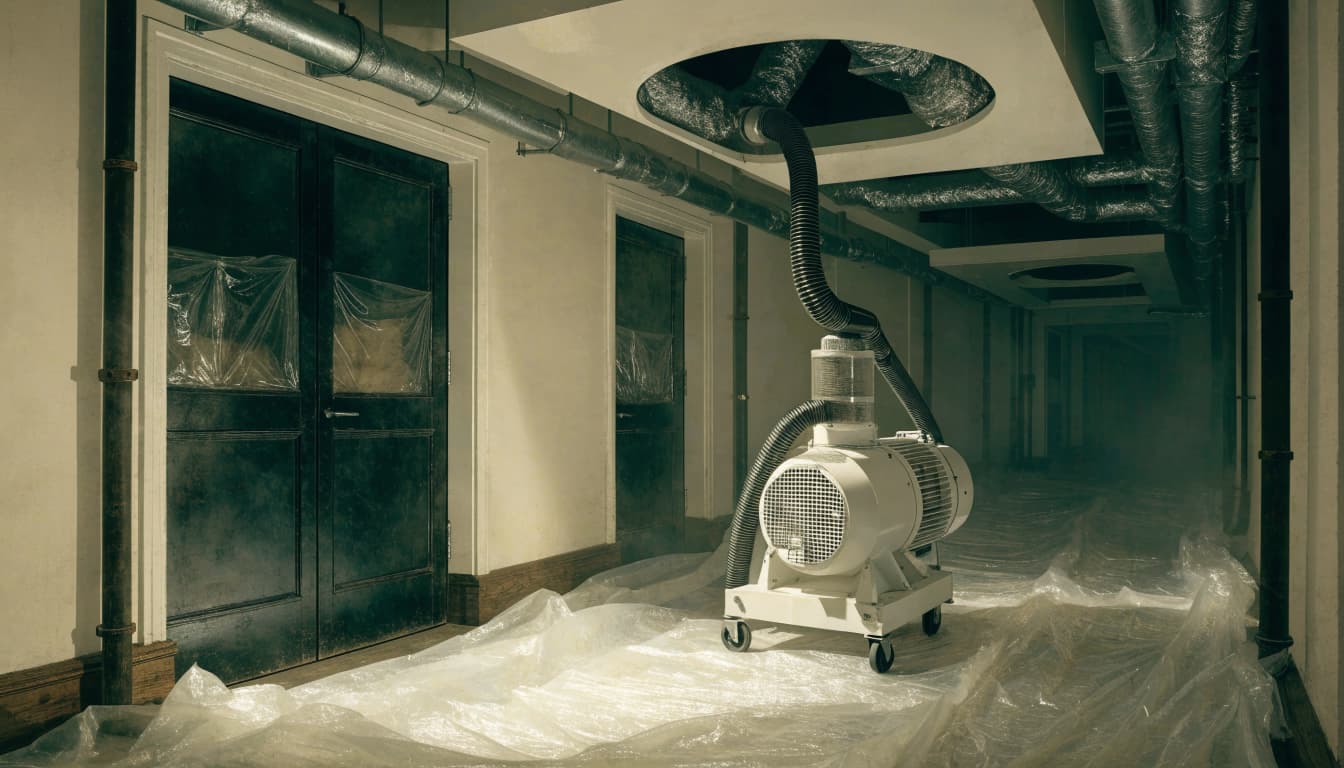
Opening a duct can release material that has settled inside it. Containment should be ready before the first access panel or register comes off.
Separate the Work Zone
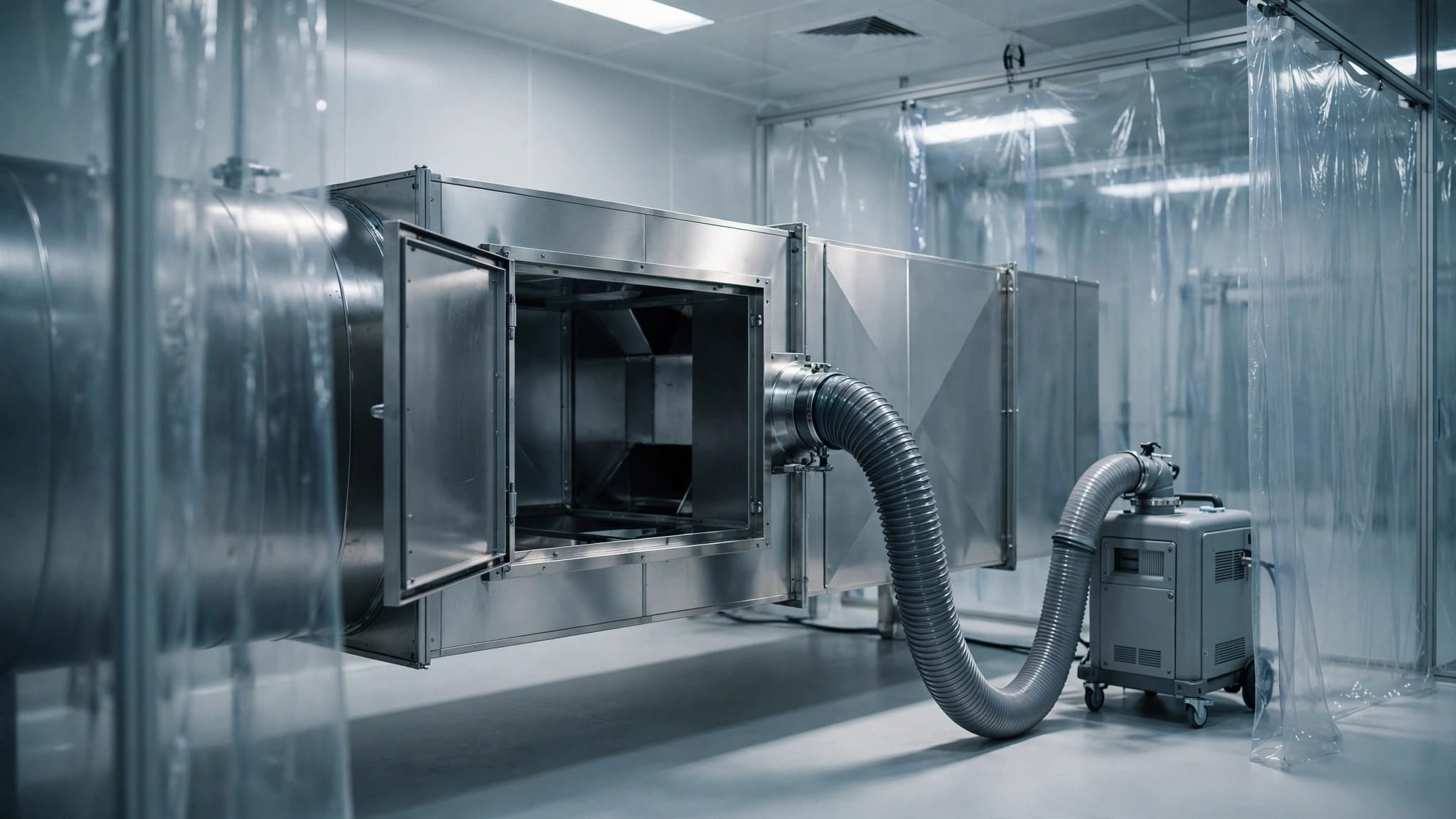
The crew can isolate the work area with temporary barriers suited to the space and protect floors and nearby finishes. Equipment routes should avoid close contact with cases and objects. Registers outside the active cleaning area may also need to be covered or isolated as part of the agreed plan.
The setup needs to account for the way air moves between the work zone and adjoining rooms. A containment approach that draws unconditioned air toward a collection space can create a different problem. Facilities staff should coordinate pressure and ventilation with the cleaning crew.
Capture Debris at the Source
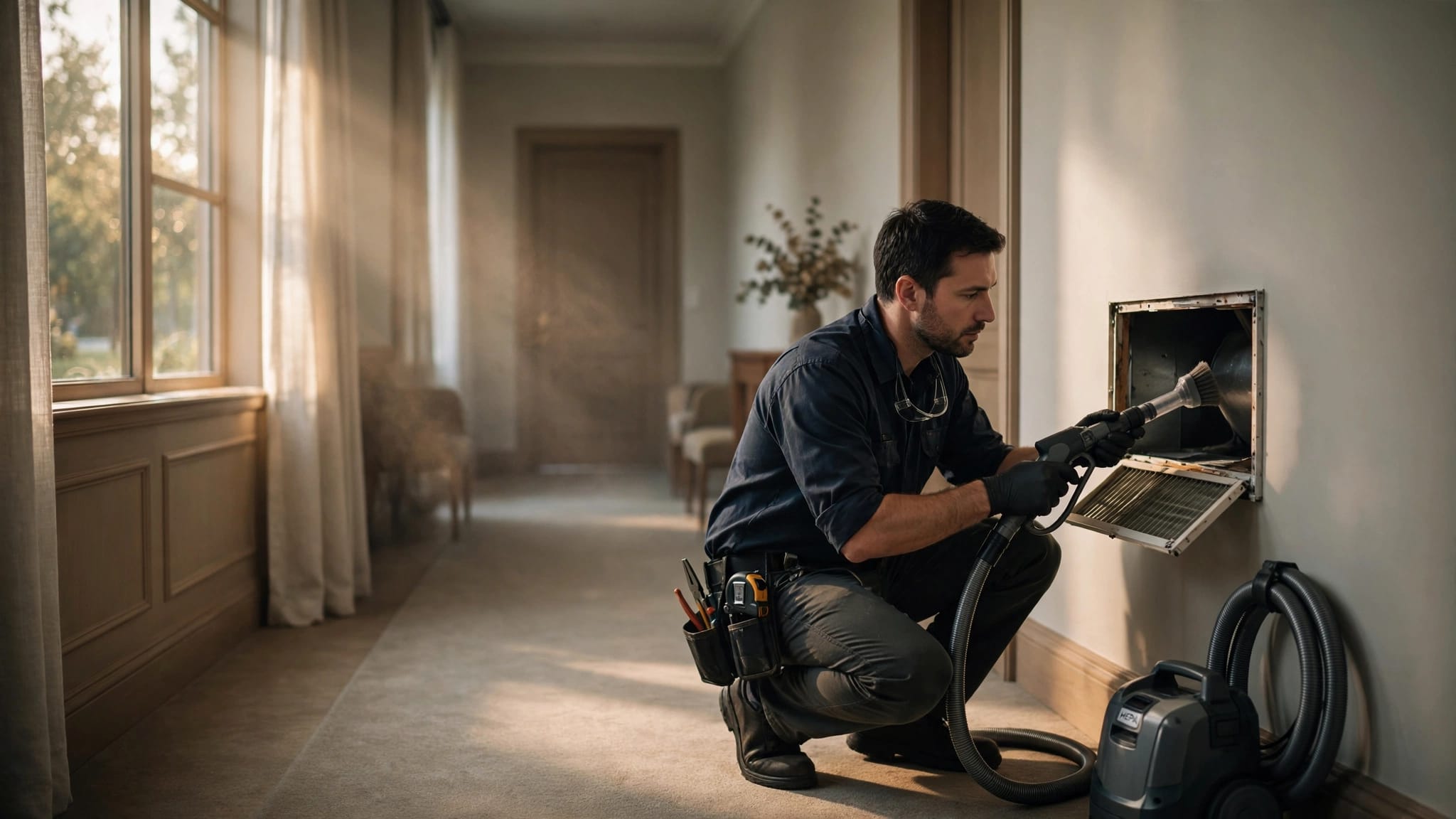
A professional collection unit connects to the ductwork and draws air toward the vacuum while technicians loosen debris inside the run. This negative pressure helps keep material moving toward the collection equipment rather than out through openings.
HEPA-filtered equipment is useful where exhaust or contact vacuuming could otherwise release fine particles indoors. The crew should maintain containment while removing tools and closing access points. Our guide to the negative-pressure duct cleaning process explains the basic equipment and methods.
Control Vibration and Airflow
Dust isn't the only collection risk. Hoses, ladders, access equipment, and powered tools can transfer vibration through floors, walls, or exhibit structures. Facilities staff and the conservator should identify objects and cases where even modest movement is a concern.
Limit Vibration Near Displays
Plan equipment routes away from fragile displays whenever possible. Keep hoses and cords clear of case bases, and avoid resting tools against exhibit structures. If work must happen close to a sensitive object, the conservator can decide whether it should be stabilized or moved by museum staff.
A short test of the proposed setup, observed by the appropriate staff, can reveal unwanted movement before cleaning begins. Stop work if a case, mount, or object moves unexpectedly.
Manage Air Movement During Each Phase
Strong airflow can disturb exposed material even when dust stays inside the duct. The team should consider where vacuum exhaust goes and whether opened or covered registers will affect nearby rooms.
Don't assume a gallery is isolated because its door is closed. Shared return paths and connected duct runs can carry the effects of work into other spaces. Facilities staff should control system shutdown and restart so air movement stays consistent with the collection plan.
Protect Objects and Display Cases
The safest protection depends on the object and its setting. A conservator may prefer to move an exposed work, leave a stable object in place, or protect the surrounding area. Temporary covering isn't suitable for every material, and a cover placed incorrectly can touch or damage a surface.
Museum staff should choose and install any object protection. The cleaning crew can then protect the work area without placing tape, plastic, or equipment on cases or collection materials.
Closed display cases can reduce direct exposure, but they shouldn't be treated as automatically dust-tight. Seams, cable openings, and ventilation features vary. The team should account for each case's construction before work begins nearby.
Afterward, the conservator or designated collections staff should inspect protected objects and cases before removing coverings or reopening the space. Duct-cleaning technicians should not wipe or vacuum artifacts as part of ordinary work-area cleanup.
Match Cleaning Methods to Duct Conditions
The goal is to remove accessible debris without damaging the system. A method that works on a rigid metal trunk may be too aggressive for flexible ductwork or a deteriorated liner.
Use Controlled Agitation on Sound Ducts
For suitable rigid metal ducts, technicians may use controlled brushing or air whips while the collection unit draws loosened material away. The crew should work through accessible supply and return sections included in the scope, rather than cleaning only the visible register covers.
Flexible ducts require gentler handling. Excessive force can tear an inner liner, damage a connection, or collapse a section. Tight bends and aging materials may limit how far a tool can safely travel.
Accessible blower compartments and plenums can also hold debris. Their inclusion should be clear in the estimate because duct and air-handler work may require different access and cleaning methods.
Stop When Conditions Require Another Response
Wet insulation, standing water, pest waste, damaged liner, or suspected microbial growth calls for a pause and assessment. Dark staining alone doesn't establish what the material is.
Cleaning won't fix an active leak or restore a collapsed duct. Repairs, pest control, or specialized remediation may need to come first. Sanitizers and other chemical treatments shouldn't be automatic additions, particularly near collections. Any proposed treatment needs a defined purpose and review by the museum's facilities and conservation staff.
For a clearer picture of what duct cleaning can and cannot remove, distinguish loose debris removal from repairs and moisture control.
Verify the Work Before Reopening
The final inspection should cover both the HVAC system and the spaces around it. Before-and-after photos can document accessible sections, but the report should also identify areas the crew couldn't reach.
Restore and Inspect the System
Technicians should reinstall registers, close and seal access openings, and remove cleaning equipment without releasing collected debris. Facilities staff can then oversee the return to normal operation and observe whether the system is running as intended.
The team should inspect the work zone for dust or damage and address any concerns before barriers come down. A clean-looking gallery doesn't replace inspection of the duct sections included in the job.
Document Conditions and Follow-Up
A useful service record includes the date, systems cleaned, methods used, access points, photos, and any damage or moisture found. It should also identify components excluded from the work and repairs or follow-up that remain.
Collections staff can compare nearby objects and cases with their pre-work records. Environmental monitoring can continue as the HVAC system returns to its normal operating pattern. If dust appears at a register after restart, investigate the source rather than assuming every connected section was cleaned.
Protect the Collection at Every Stage
Museum duct cleaning works best when the collection plan and the HVAC plan are treated as one job. Inspection defines where cleaning is needed. Containment, careful access, and environmental monitoring help protect the objects nearby.
We provide air duct cleaning services for businesses along Florida's Gulf Coast. To discuss a museum's needs, Get a Free Estimate.