Dryer Takes Two Cycles: Is It the Vent or Dryer?
When your dryer takes two cycles to dry an ordinary load, restricted exhaust airflow or a problem with the appliance could be responsible. A load that's too large or unusually wet can also take longer, so the extra cycle alone doesn't identify the cause.
Start with changes in normal performance and any signs of heat or weak airflow. Those clues can help you decide whether to call a dryer vent professional or an appliance technician.
Key takeaways for a slow dryer
- A gradual increase in drying time, weak outdoor airflow, and unusual heat can point to a restricted vent.
- A dryer that doesn't heat, stops unexpectedly, or displays an error may need appliance service.
- A clean lint screen doesn't mean the duct behind the dryer is clear.
- Burning smells, smoke, or scorching mean you should stop using the dryer immediately.
Both the vent and the appliance can have problems at the same time. An inspection is more useful than assuming either one is the cause.
Why a dryer takes two cycles
A vented dryer warms the laundry and sends moisture outdoors through an exhaust duct. If air can't move through that path, moisture leaves more slowly. The dryer may continue tumbling while clothes remain damp.
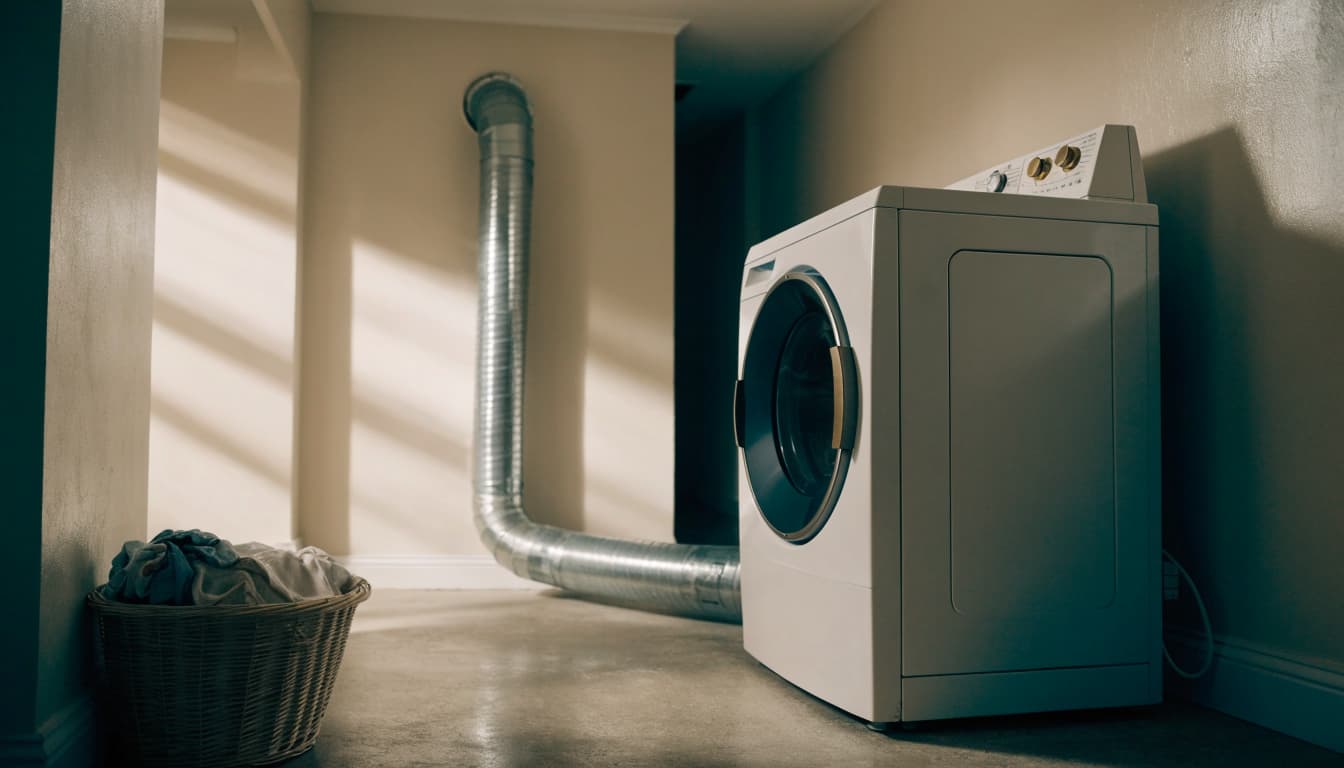
Drying also takes longer when the appliance doesn't provide the heat or operation a cycle needs. Before deciding which service to schedule, consider how the load compares with your usual laundry.
Look for a change in routine
The most useful comparison is with a similar load that used to dry properly. If your usual towels need another cycle week after week, that change deserves attention.
There isn't one drying time that fits every machine and load. Fabric thickness, load size, washer spin speed, and cycle settings all affect the result.
Account for the load and cycle
A tightly packed drum leaves less room for clothes to tumble. A comforter, heavy towels, or jeans may also dry more slowly than lightweight shirts. If clothes come out of the washer dripping wet, the dryer has extra moisture to remove.
Use a suitable cycle and compare a manageable load with your past results. If normal loads still need two cycles, look for airflow or appliance warning signs rather than adding time indefinitely.
Signs the dryer vent may be restricted
A vent restriction can develop in the short connection behind the dryer, farther along a concealed duct, or at the outside hood. Lint is one possible cause. A crushed connection, stuck flap, or damaged duct can also limit airflow.
Weak exhaust at the outside hood
If your dryer is operating normally and you haven't noticed burning, excessive heat, or another safety warning, look at the exterior hood during a regular cycle. The flap should open as exhaust air passes through it.

A flap that barely moves or stays shut can indicate a blockage. It can also point to a disconnected duct or another airflow problem. Don't put your hand inside the hood: edges can be sharp, and insects or animals may be present.
A visible opening doesn't prove the full duct is clear. If you suspect a blockage, stop using the dryer and arrange an inspection.
Excess heat, moisture, or visible lint
An unusually hot dryer cabinet, a humid laundry room, or lint around a connection can accompany poor exhaust airflow. Moisture or lint near the wall may also indicate a loose or disconnected duct.
These symptoms don't identify the exact location of the problem. However, they are useful details to share when arranging service. Our guide to common warning signs of a clogged dryer vent covers other changes worth watching.
Safe checks you can do at home
Routine checks can reveal an obvious load or airflow issue without opening the appliance. If you suspect a blocked or disconnected vent, leave the dryer off until a professional checks it.
Clean the lint screen and inspect visible areas
Remove lint from the screen before each load. If the screen has residue that doesn't come off with normal lint removal, follow the dryer's cleaning instructions.
Also look at the accessible connection behind the machine. A hose that appears flattened, torn, or disconnected needs attention. Don't squeeze behind a heavy dryer or pull a gas appliance away from the wall yourself.
A clean screen is helpful, but it catches only part of the lint moving through the system. Here's why a clean lint trap doesn't mean a clean dryer vent.
Check the exterior without taking risks
Clear loose leaves or debris from around an easily reached exterior hood. If the cover is damaged, blocked, or located on a roof or high wall, leave it for a professional.
Don't force a long brush into an unknown duct or cut into a wall to reach it. A tool can damage the duct or push lint deeper into a restriction.
Never run a vented dryer with its exhaust disconnected or directed into the laundry room. Don't bypass a safety device to make the machine operate.
When the dryer itself may need repair
The appliance deserves attention when the symptoms extend beyond slow drying. For example, a dryer that stops mid-cycle, repeatedly displays an error, makes a new grinding noise, or fails to heat on a heated setting may need an appliance technician.
Compare the settings and load
Before assuming a failure, make sure you selected a heated cycle rather than an air-only setting. Also look at how the clothes came out of the washer. A load that is much wetter than usual can take extra drying time even when the dryer works properly.
If those factors don't explain the change, describe the symptoms to an appliance technician. Avoid removing dryer panels or working near electrical components yourself.
Don't rule out the vent too soon
Some symptoms overlap. A restricted vent can leave clothes damp and the cabinet unusually hot, but those signs don't prove the appliance is fault-free.
Likewise, an appliance repair won't clear lint from the exhaust duct. If drying remains slow after one problem is addressed, the other part of the system may still need attention.
Ventless models, including many heat pump dryers, work differently and may not have an outdoor exhaust duct. For those machines, appliance service is the appropriate place to start.
When to stop using the dryer and call for help
Stop the dryer immediately if you smell burning, see smoke or scorching, hear grinding, or experience repeated breaker trips. Unplug it only if you can do so safely, and arrange professional help. If there's smoke or fire, leave the home and call emergency services.
If you smell gas, leave the area without operating switches or appliances. Once outside, contact your gas utility or emergency services.
Call a dryer vent professional for exhaust concerns
A vent professional can inspect the accessible exhaust route when the outside flap barely opens, a connection appears crushed, or lint and moisture show up around the duct. Hidden runs through walls, attics, or roofs also call for professional attention.
Cleaning may help when lint is the restriction. However, a damaged duct or poorly arranged route can require a separate repair.
Call an appliance technician for machine symptoms
Choose an appliance technician when the dryer won't heat on an appropriate setting, stops unexpectedly, produces an error code, or makes an unusual mechanical noise. The technician can assess the appliance without relying on guesswork about the vent.
If you're unsure where the problem starts, describe all the symptoms when you schedule service. A vent inspection and appliance repair are separate services, and some dryers need both.
What a professional vent visit should cover
A useful visit starts with an inspection of the dryer connection, accessible duct route, and exterior termination. The technician should look for lint buildup as well as crushed sections, loose joints, and a hood that can't open properly.
Cleaning and reassembly
Cleaning equipment should suit the duct material and layout. Depending on access, a technician may use a vacuum, brush system, or flexible rods to remove lint from the exhaust path.
Afterward, the connection should be secured and the dryer returned to position without crushing the duct. Cleaning doesn't repair a damaged section or correct every problem with the route.
Airflow testing in context
A measurement before and after cleaning can help show whether removing lint improved airflow. The reading needs context: the dryer, duct layout, test location, and instrument all affect the result.
If airflow remains weak, the technician may need to look further at the hood, duct route, or dryer. Strong airflow at the outlet doesn't rule out a loose joint elsewhere, so the physical inspection matters too. Read more about understanding dryer vent airflow test results.
How to reduce future drying problems
Clean the lint screen before every load and keep the area around the dryer clear. Pay attention when a familiar load starts taking longer, rather than waiting for the dryer to stop working.
The exhaust route matters as well. Long runs and extra bends add resistance, while a crushed connection can restrict airflow even after cleaning. Learn more about how an overly long dryer vent hose affects drying.
For many Florida homes, a yearly cleaning schedule is a starting point. Frequent laundry, long vent routes, pet hair, or warning signs can call for attention sooner. Exterior hoods can also collect leaves and debris after storms. Our guide to dryer vent cleaning frequency in Florida explains when to schedule service sooner.
Frequently asked questions
Will cleaning the vent always fix a slow dryer?
No. Cleaning can remove lint that restricts exhaust, but it won't repair a damaged duct or a malfunctioning appliance. If drying remains slow after cleaning, the remaining symptoms can help identify the next step.
Can a dryer be hot and still have a blocked vent?
Yes. A dryer can produce heat while restricted airflow slows the removal of moisture. Unusual heat together with damp clothes or weak outdoor exhaust calls for prompt attention. Stop using the dryer if you suspect a blockage.
Is it safe to keep running a second cycle?
If the extra time comes from a large or heavy load and the dryer otherwise operates normally, a second cycle may be appropriate. Repeated long cycles with unusual heat, weak airflow, or other warning signs deserve an inspection. Don't continue using a dryer that smells burnt or shows signs of damage.
Find the cause before adding another cycle
When your dryer takes two cycles, compare the load and settings first. Then pay attention to airflow and appliance symptoms rather than assuming one cause.
For help with a suspected exhaust restriction, our team serves Fort Myers and communities along Florida's Gulf Coast. You can Get a Free Estimate for dryer vent cleaning.