
Should You Clean Air Ducts Before an Indoor Air Quality Test?
If your home has persistent dust, odors, allergy symptoms, or uneven airflow, an indoor air quality test can help narrow the cause. However, clean air ducts immediately before testing can change the conditions the test was meant to measure.
For most diagnostic situations, test first and clean later. A qualified indoor air quality professional can match the sampling method to your concern and help you avoid a result that hides an ongoing problem.
Should You Clean Air Ducts Before an IAQ Test?
Usually, no. If you want to learn what is affecting your home's air under normal conditions, leave the HVAC system and ductwork as they are before testing. A recent cleaning can temporarily reduce loose dust and particles that may otherwise show up in the sample.
That does not mean dirty ducts always cause poor indoor air. Air quality can also be affected by outdoor pollen, pet dander, damp materials, cleaning sprays, cooking, smoke, filters, and HVAC moisture problems. The test should help separate those possibilities.
Match the test to your reason for testing
Testing after a water leak differs from testing because a room smells stale. An IAQ professional may look at humidity, airborne particles, volatile organic compounds, carbon dioxide, or samples related to suspected microbial growth.
Tell them what you have noticed, when it happens, and which rooms are affected. Mention recent renovations, pest issues, flooding, filter changes, and HVAC repairs. Those details help determine whether ductwork deserves closer attention.
Keep normal conditions when possible
Run your HVAC system as you normally would unless the testing professional gives different instructions. Avoid unusual cleaning, scented sprays, candles, smoking indoors, or open windows right before sampling.
A clean test result is only useful if it reflects the condition you need to understand. Cleaning right beforehand may answer a different question.
When Duct Cleaning Should Come First
Some situations call for an inspection before testing, and possibly professional cleaning before broad air sampling. Visible debris, water damage, damaged duct insulation, pest contamination, or a strong musty odor deserve prompt attention.
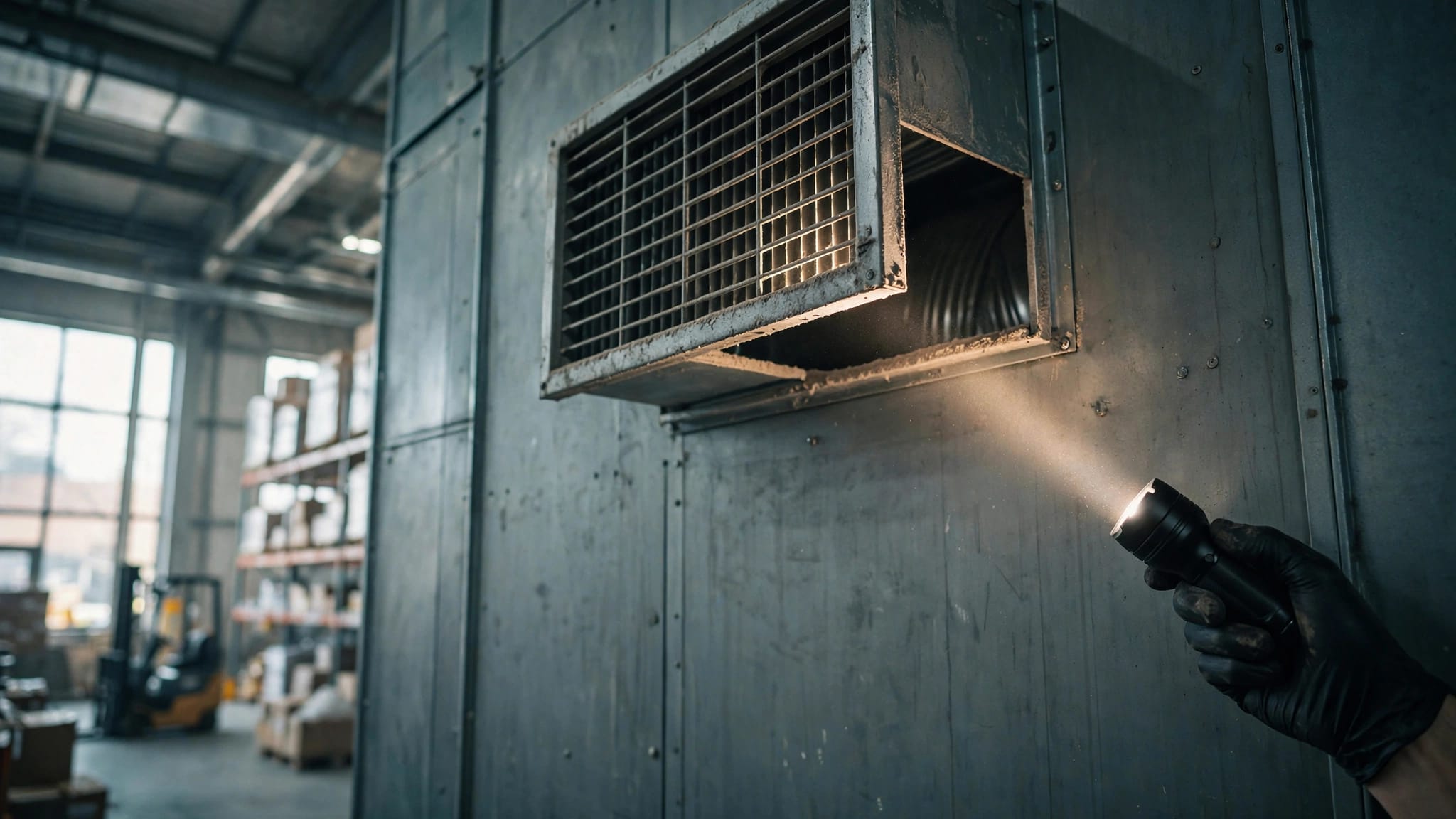
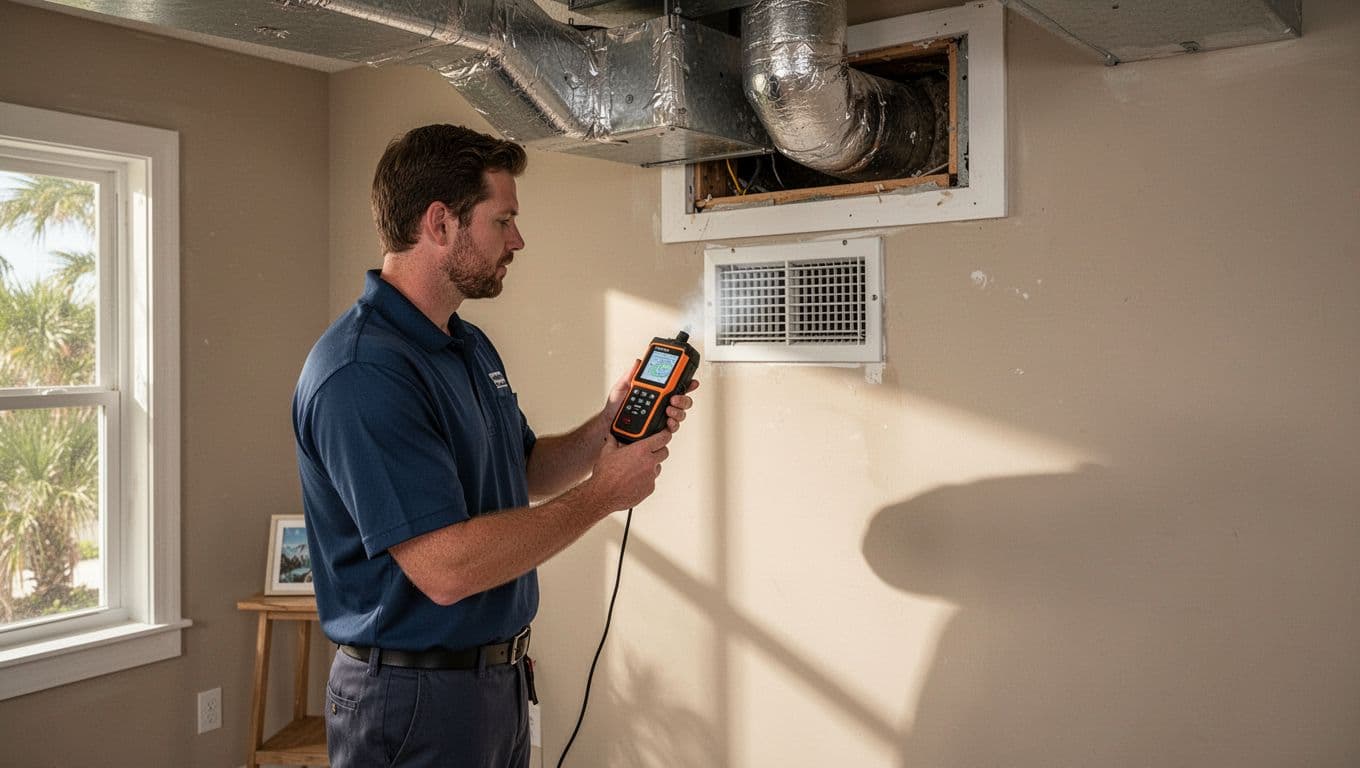
A duct camera inspection can show buildup, staining, disconnected sections, or moisture clues. Still, dark marks alone do not confirm mold. A duct camera inspection helps determine whether testing, cleaning, repair, or a referral is the appropriate next step.
Heavy contamination or duct damage needs professional evaluation
If return ducts contain construction debris, animal waste, wet insulation, or obvious damage, don't wait for a routine IAQ test to solve the problem. Contact a qualified HVAC or duct professional who can inspect the system safely.
The right plan may include targeted sampling before work begins, photos of the affected areas, and cleaning after the issue is documented. When moisture or confirmed mold is involved, the underlying water source needs correction too.
Don't rely on do-it-yourself duct cleaning
Shop vacuums, brushes, and household sprays rarely reach the full duct system. They can also loosen debris without removing it, damage flexible ducts, or leave chemical residue behind.
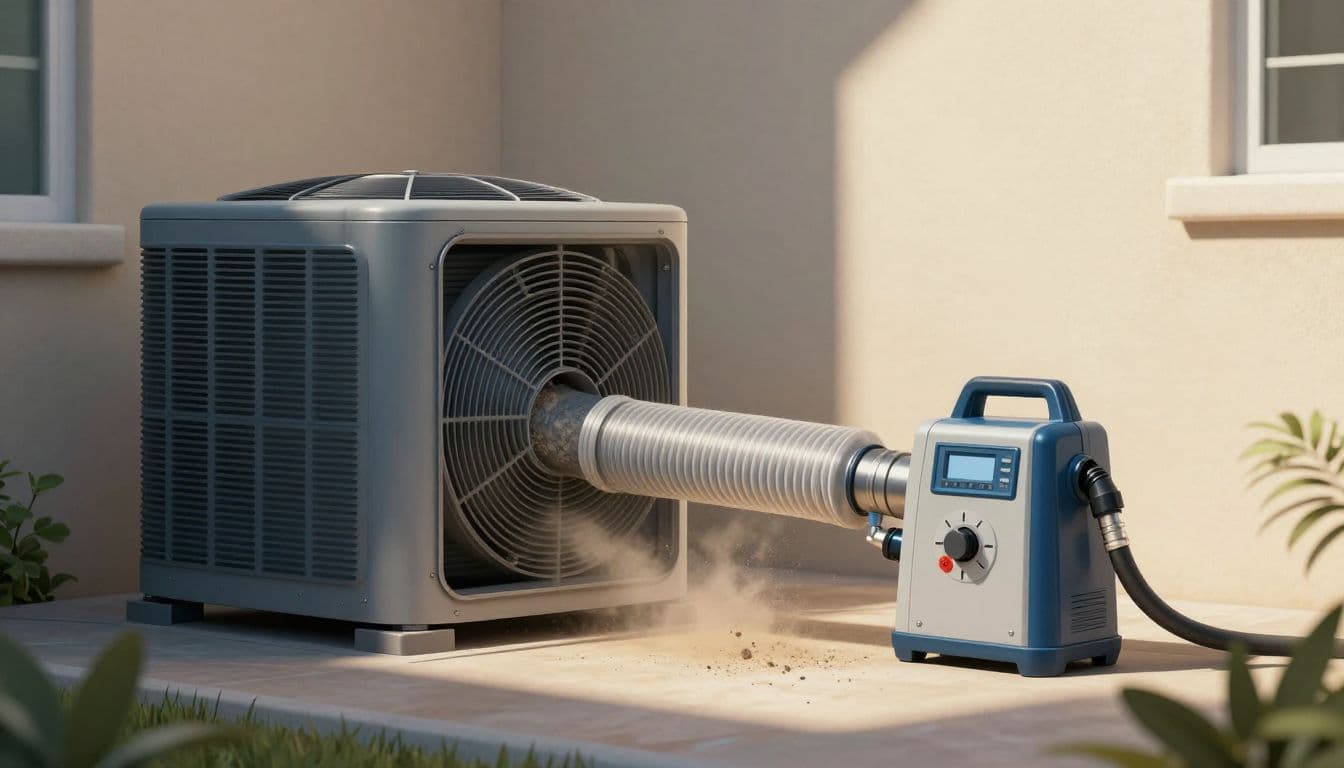
Professional equipment uses controlled negative pressure and access points to remove debris more thoroughly. If treatment is proposed after cleaning, ask why it is needed. Microbial treatment after duct cleaning may help in limited cases, but it does not repair a leak or remove a moisture source.
Duct Cleaning Is Only One Part of Source Control
Ductwork can hold dust and odor residue, especially after remodeling, smoke exposure, or a long period without maintenance. Yet clean ducts cannot compensate for a clogged filter, a wet crawlspace, an overflowing drain pan, or poor bathroom ventilation.
Start with the conditions that feed the problem. Replace HVAC filters on the schedule recommended for your system. Keep supply and return vents open and unobstructed. Address roof leaks, plumbing leaks, and condensation around air handlers.
Look beyond the vent covers
Dust around registers may come from the room itself, not the ducts. Upholstery, carpeting, pets, outdoor air, and frequent door traffic can all add particles to your home.
Likewise, a musty smell may originate at the evaporator coil, drain pan, insulation, or another damp area. When you clean air ducts as part of a larger plan, the results are more likely to last because the source is not left behind.
Plan the Test and Cleaning in the Right Order
Call the IAQ professional before booking a cleaning appointment. Explain that you are considering duct service and ask whether they need a baseline sample first. Then follow their instructions for operating the system, opening windows, and avoiding activities that affect the results.
Keep a simple record of recent work. Include the cleaning date, cleaning method, filter replacement, treatments applied, HVAC repairs, and any water event. This information gives the tester context if conditions change after service.
If cleaning is recommended after inspection or testing, ask what parts of the system are included. A clear scope should cover supply runs, returns, registers, and accessible HVAC components. You can Get a Free Estimate when you need professional air duct or dryer vent cleaning that fits the findings.
A Clear Baseline Leads to Better Decisions
Cleaning before an indoor air quality test can mask the baseline conditions you were trying to measure. In most homes, test first, document what is found, and then decide whether duct cleaning belongs in the solution.
When ducts are wet, heavily contaminated, or damaged, move quickly with a professional evaluation. The goal is not simply cleaner ductwork. It is healthier indoor air supported by real source control .